



The Real Cost of 'Fast Furniture'
First, let's call the enemy by its name. 'Fast furniture' is the home decor equivalent of fast fashion: trendy, cheap, and built to be replaced. It’s the particleboard nightstand that doesn’t survive a move or the sofa whose cushions flatten in a year.
This model thrives on micro-trends and low prices, encouraging a cycle of consumption and disposal that has enormous consequences. According to the Environmental Protection Agency, Americans discard more than 12 million tons of furniture and furnishings annually, with a staggering 80% ending up in landfills. The problem isn’t just waste. The production of cheap furniture often relies on composite wood products like MDF (medium-density fiberboard) and particleboard, which are held together by chemical resins that can off-gas volatile organic compounds (VOCs) into your home. The entire system—from sourcing low-quality materials to global shipping and planned obsolescence—is designed for profit, not for people or the planet.
A Different Philosophy: Designing for Decades
Sustainable design is the direct counterpoint to this disposable culture. It's a philosophy that reframes the entire goal of creating an object. Instead of asking, “How can we make this cheaper and faster?” it asks, “How can we make this last as long as possible?” This shift in thinking prioritizes longevity above all else, weaving sustainability into the very DNA of a product. This isn't about some spartan, eco-warrior aesthetic. It’s about returning to a time-honored understanding of value. It’s the belief that a home should be filled with items that grow with you, acquire a patina of memories, and can be passed down or resold, retaining their worth. This philosophy encompasses everything from the choice of raw materials to the construction methods and the final aesthetic. It’s a holistic approach that sees a piece of furniture not as a temporary placeholder, but as a long-term partner in your home.
The Pillars of Enduring Design
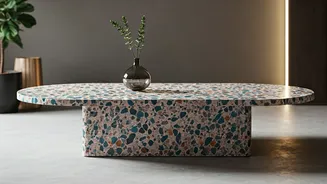
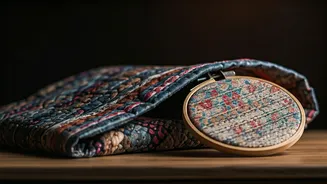
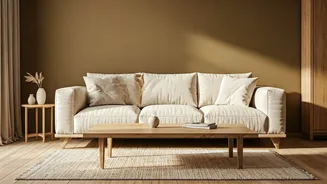
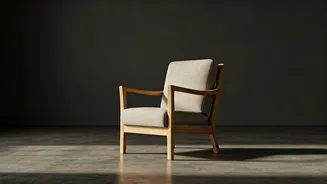
So what does this look like in practice? It boils down to a few key principles. First is **timeless aesthetics**. This doesn't mean boring; it means choosing forms, colors, and patterns that aren't tied to a fleeting trend. Think of the elegant simplicity of a Shaker chair or the clean lines of mid-century modern design—styles that have remained relevant for generations because they are fundamentally functional and visually balanced. Second is **honest, high-quality materials**. Instead of particleboard and plastic veneers, this philosophy champions solid wood, stone, metal, and natural fibers like wool and linen. These materials not only last longer but also age gracefully. A solid wood table doesn't 'get ruined' by a scratch; it develops character. This approach values patina over pristine perfection. Third is **superior craftsmanship**. Longevity is built in. It’s in the dovetail joints of a drawer, the sturdy frame of a sofa, or the hand-tied springs in a well-made armchair. These details, often invisible to the casual eye, are what separate a piece that lasts three years from one that lasts thirty.
From Consumer to Custodian
Adopting this philosophy also requires a mental shift for the consumer. It means moving from being a passive consumer to an active custodian. When a piece is built to last, it's also built to be cared for and, if necessary, repaired. A dent in a wooden table can be sanded; a torn cushion can be reupholstered. The right to repair is a core tenet of this movement. This mindset also fuels a vibrant secondhand market. A well-made piece of furniture has a second, third, and even fourth life. By investing in quality, you’re not just buying something for yourself; you're acquiring an asset that can be sold or passed on, participating in a circular economy that drastically reduces waste. It's about thinking of your belongings not as disposable goods but as parts of a larger system.