




The Air Fryer Ascendancy
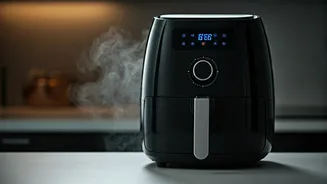
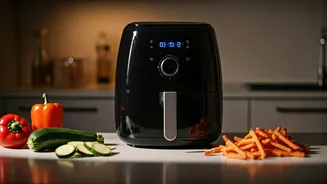
At the heart of the oil-free snacking movement is one appliance: the air fryer. Once a niche gadget, it has become a kitchen counter staple, especially in the homes of younger Americans. Part of its genius is its simplicity. An air fryer is essentially
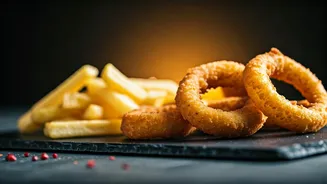
a small, powerful convection oven that circulates hot air at high speed to produce a crisp, browned surface that mimics deep-frying, but without the vat of oil. For a generation that values convenience and speed, it’s a game-changer. You can transform raw potato wedges into crispy 'fries' in under 20 minutes with minimal cleanup. This technological shift has democratized crispiness, making it achievable for even novice cooks living in small apartments with limited kitchen space. It’s less a cooking method and more a kitchen philosophy: maximum crunch with minimum fuss, fat, and mess.
Health, Control, and Aesthetics
The move away from oil is driven by more than just a desire for a low-calorie alternative. For Gen Z, it's about control. Growing up in an era of complex ingredient lists and confusing nutritional labels, this generation shows a marked preference for understanding exactly what goes into their food. Making snacks from scratch offers total transparency. You pick the vegetable, you choose the seasonings, and you decide to leave out the oil. This connects to a broader wellness trend that prioritizes 'clean eating' and whole foods over heavily processed options. But it’s not just about what’s inside; it’s also about how it looks. An oil-free, air-fried snack is photogenic. The vibrant colors of sweet potato fries or the rustic texture of kale chips are perfectly suited for a stylish Instagram post or a satisfyingly crunchy TikTok video, turning a simple snack into shareable content.
From Crispy Chickpeas to Carrot Bacon
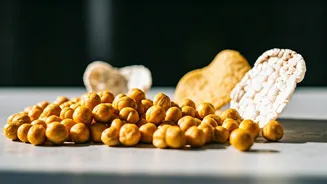
So what, exactly, are they making? The creativity is boundless. Canned chickpeas, rinsed and wouldnt be here patting dry, are a favorite canvas. Tossed with paprika, garlic powder, and a pinch of salt, they emerge from the air fryer as a crunchy, protein-packed alternative to chips. Thinly sliced potatoes, sweet potatoes, and zucchini become crisp, guilt-free chips with nothing more than a sprinkle of seasoning. Even more inventive recipes have gone viral, like 'carrot bacon,' where ribbons of carrot are marinated in a smoky, savory blend of liquid smoke, soy sauce, and maple syrup before being air-fried to a surprising crispness. These aren't just scaled-down versions of dinner; they are snacks designed to be snacks, delivering texture and flavor in a way that feels both indulgent and virtuous. The common thread is the transformation of simple, raw ingredients into something crave-worthy without relying on traditional fats.
A Reflection of Generational Values
This obsession with oil-free snacking isn’t happening in a vacuum. It’s a perfect microcosm of broader Gen Z values. There’s a strong element of financial savvy; a bag of potatoes and some spices is far cheaper than a weekly habit of buying gourmet packaged snacks. It’s also tied to sustainability. By making snacks at home, they reduce reliance on single-use plastic packaging that clogs landfills. Furthermore, the trend highlights how this generation learns and shares information. The cookbook has been replaced by the 60-second TikTok video. A viral recipe can spread to millions of kitchens in a matter of days, complete with visual instructions and user-generated reviews in the comments section. It represents a decentralized, community-driven approach to food, where trends bubble up from users rather than being dictated by legacy food media.