





The Humidity and Your Skin Dilemma
Stepping outside on a humid day can feel like walking into a sauna. Within minutes, a layer of moisture seems to settle on your skin, mixing with sweat and oil to create a slick, greasy sheen. It’s a common misconception that this dampness equals hydration.
In reality, your skin is reacting to the environment in a complex way. High humidity signals your skin that there's plenty of moisture in the air, which can sometimes slow down its own natural hydration processes. More importantly, it triggers your sweat glands to work overtime to cool you down, and for many people, it also sends sebaceous glands into overdrive, pumping out excess oil. This results in the dreaded paradox of 'oily-dehydrated' skin—a complexion that’s slick on the surface but can feel tight, irritated, and thirsty underneath. Slathering on a traditional heavy cream in these conditions often makes things worse, trapping heat and oil and leaving you feeling even more suffocated.
Solution Part 1: The Water-Gel Advantage
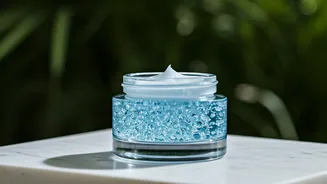
This is where the texture of your moisturizer becomes critical. Enter the water-gel. Unlike thick, occlusive creams that create a heavy barrier, water-gels are ultra-lightweight, fast-absorbing formulas. Their base is primarily water and humectants—ingredients like hyaluronic acid or glycerin that act like tiny sponges, pulling moisture from the environment and binding it to your skin. The 'gel' texture provides an instant cooling sensation and absorbs almost immediately, leaving behind no greasy residue. This delivers essential hydration without adding any extra weight or oil. For skin already battling the slickness of a humid climate, a water-gel provides the drink of water it desperately needs without contributing to surface congestion. It feels refreshing, comfortable, and provides the perfect, non-pilling base for sunscreen and makeup.
Solution Part 2: The Secret Weapon, Zinc PCA
If the water-gel is the perfect delivery system, Zinc PCA is the smart ingredient that does the heavy lifting. This powerhouse compound is worth getting to know. It’s composed of two key parts, each with a distinct job. First, there's Zinc. You might know it from mineral sunscreens, but in this context, it’s a brilliant regulator. Zinc is known for its ability to help normalize sebum production, effectively telling your overactive oil glands to calm down. It also has natural anti-inflammatory and antimicrobial properties, making it excellent for reducing the redness and potential breakouts that can accompany sweaty, irritated skin. The second part is PCA, which stands for Pyrrolidone Carboxylic Acid. PCA is a natural moisturizing factor (NMF), a substance your skin produces on its own to keep itself hydrated. By including PCA, the ingredient is not only controlling oil but also actively boosting your skin's own moisture reserves. It’s a beautifully balanced ingredient that tackles both oiliness and dehydration simultaneously.
Putting It All Together for Your Daily Routine
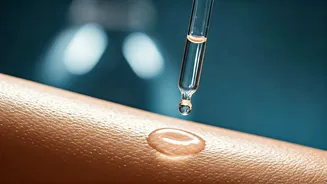
When you combine a water-gel texture with the regulating power of Zinc PCA, you get the ultimate moisturizer for humid weather. The water-gel provides the surface-level hydration and cooling effect, while the Zinc PCA works deeper to manage oil production and fortify the skin's moisture barrier. It’s a proactive, rather than reactive, approach. You’re not just mopping up oil; you’re helping your skin become more balanced and resilient to the environmental stress of humidity. To incorporate it into your daily routine, cleanse your face and apply a nickel-sized amount to damp skin, which helps lock in even more hydration. It can be used both morning and night. In the morning, it creates a smooth, matte-but-not-flat canvas that helps your sunscreen apply evenly and can even improve the longevity of your makeup. At night, it works to repair and rebalance your skin while you sleep, ensuring you wake up feeling refreshed, not greasy.