





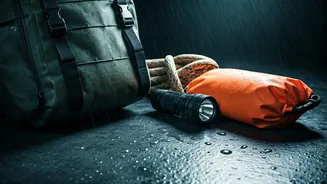
The 'Insurance' Premium Is a Steal
Let’s be honest: nobody loves paying for insurance. It feels like betting against yourself. But we do it because the cost of a catastrophe—a car wreck, a health crisis—is infinitely higher than the premium. The same logic applies to protecting your gear
while traveling. A high-quality waterproof bag might cost you anywhere from $30 for a small phone pouch to over $150 for a technical backpack. Now, compare that to the cost of replacing a water-damaged $1,000 smartphone, a $1,500 laptop, or the bureaucratic nightmare of replacing a soaked passport while abroad. Suddenly, that one-time 'premium' for a dry bag looks like the best travel deal you’ll ever get. It’s not just about monsoons in Thailand; it’s for that unexpected thunderstorm in Florida, the bumpy boat ride in the Caribbean, or even a spilled drink on a crowded train. It’s an investment in peace of mind.
Not All 'Waterproof' Is Created Equal
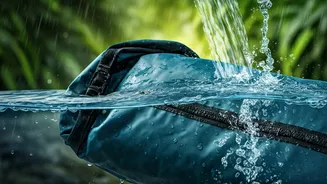
Here’s where a little knowledge saves you a lot of grief. The market is flooded with bags labeled 'water-resistant' and 'waterproof,' and they are not the same thing. 'Water-resistant' means the material can repel a light drizzle or a quick splash, usually thanks to a coating like DWR (Durable Water Repellent). But in a sustained downpour, the fabric will eventually saturate. 'Waterproof,' on the other hand, means the bag is designed to be fully submersible or withstand heavy, driving rain without letting a drop inside. This is achieved through specific materials and construction. Look for bags made from PVC, vinyl, or heavy-duty nylon or polyester with a thick TPU (thermoplastic polyurethane) coating. Even more important than the fabric are the seams. A truly waterproof bag will have welded seams, not stitched ones. Stitching creates tiny holes for water to eventually seep through, whereas welding fuses the material together into an impenetrable barrier.
Your Arsenal of Dryness
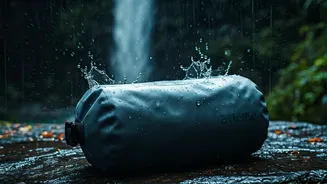
You don't need just one bag; you need a system. A layered approach to waterproofing ensures every critical item is protected. Think of it in three tiers. First, the small stuff: get a transparent, submersible phone pouch with a secure locking mechanism. This allows you to use your phone in the rain or on a boat and often has space for a credit card and ID. Second, the daypack: if you’re out exploring, a waterproof backpack is your best friend. It keeps your camera, extra layers, and snacks bone-dry. These often feature the roll-top closure system, which is the gold standard for creating a watertight seal. Third, the mothership: for your main luggage, you don't need a giant waterproof duffel unless you're on a serious expedition. Instead, use a simple, large 'dry bag' liner. It's essentially a big, collapsible waterproof sack that you put inside your regular suitcase or backpack. You pack your clothes and electronics inside it, ensuring that even if your main luggage gets left on a rainy tarmac, your essentials arrive dry and ready to go.
What to Look For on the Label
When you're shopping, ignore the marketing fluff and look for a few key features that signal genuine quality. The most critical is the closure. A roll-top closure, where you roll the top of the bag down three or more times and buckle it shut, is the most reliable way to create a watertight seal. Zippers, even 'waterproof' ones, can be a point of failure under pressure. For smaller pouches, look for an IP (Ingress Protection) rating. An IPX7 rating means the device can be submerged in 1 meter of water for 30 minutes, while IPX8 means it can go deeper for longer. It’s a standardized, trustworthy metric. Finally, feel the material. It should feel robust and durable, not flimsy. Check the seams for that smooth, welded look. A little bit of scrutiny in the store will save you from a world of watery regret on the road.