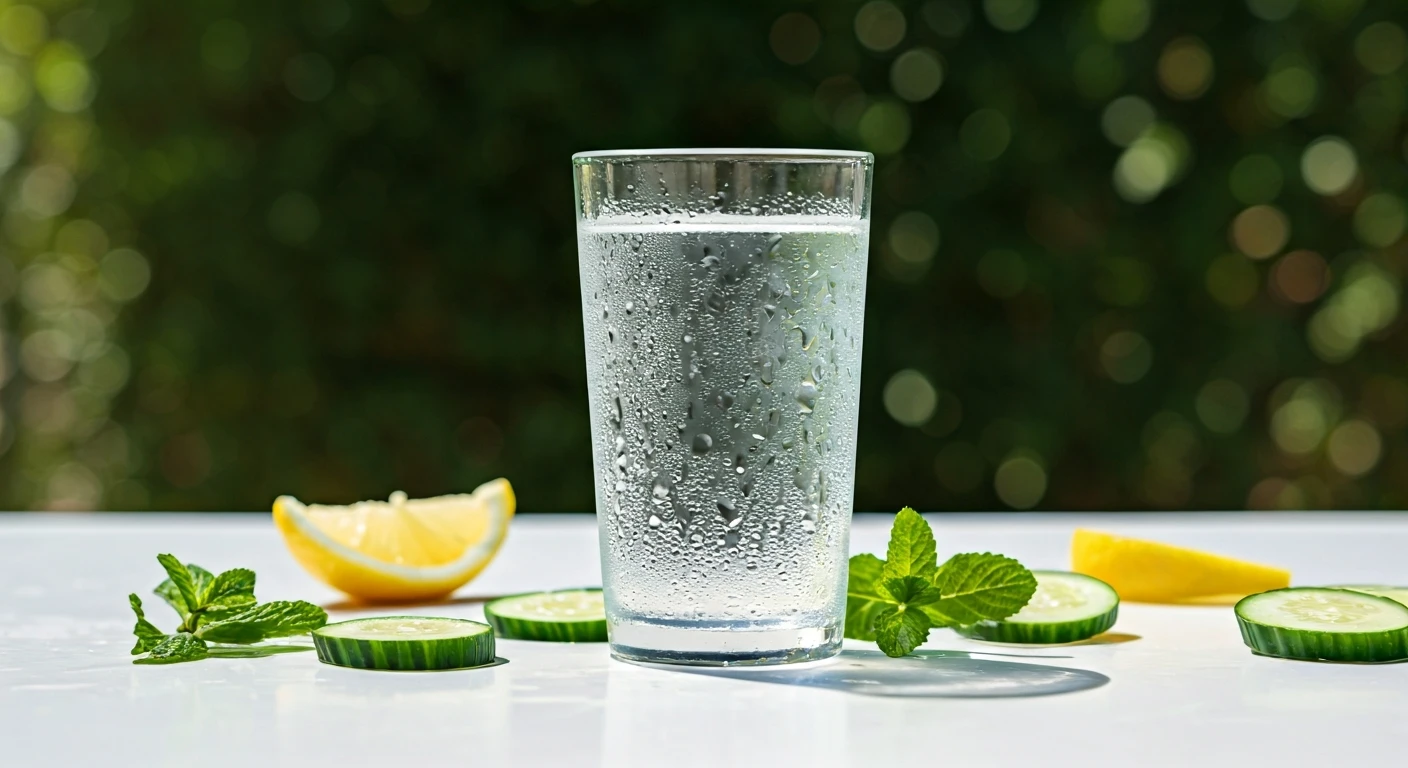







1. The Unsexy Power of Hydration
Being told to “drink more water” feels like the first page of the health playbook, but its role in immunity is crucial, especially in summer. Your body’s germ-fighting front lines—the mucous membranes in your nose and throat—need to stay moist to effectively
trap pathogens. Dehydration dries them out, creating an open invitation for viruses. Furthermore, your lymphatic system, a core part of your immune response that transports white blood cells and clears out waste, is mostly water. When you’re dehydrated, it becomes sluggish, slowing down your body's ability to respond to threats. So, that extra glass of water isn't just about quenching thirst; it’s about keeping your internal security system flowing smoothly, a vital task when you're sweating out more fluids in the summer heat.
2. Sleep: The Immune System's Night Shift
Longer days and late-night barbecues can easily steal hours from your sleep schedule. It feels like a fair trade for summer fun, but your immune system pays the price. Sleep is when your body does its most important repair work. Specifically, it’s when you produce and release cytokines, a type of protein that targets infection and inflammation, creating an immune response. Skimping on sleep, even for a few nights, can decrease the production of these critical proteins and other infection-fighting cells. Think of it this way: while you’re asleep, your immune system is running its crucial 'night shift,' manufacturing the troops needed for the next day's battles. Cutting that shift short leaves your defenses understaffed and vulnerable.
3. The Sunscreen Sermon, Revisited
You know sunscreen prevents premature aging and reduces skin cancer risk. Boring, right? But here’s the immunity angle you may not have considered: a sunburn is an acute inflammatory response. When your skin is damaged by UV radiation, your body mounts a massive immune reaction to repair the damage. It dispatches cells to the area, triggers inflammation (the redness and heat you feel), and works overtime to clean up damaged cells. This emergency response is incredibly resource-intensive. It diverts immune cells and energy away from other essential surveillance tasks, like fighting off a summer cold or another lurking pathogen. By simply applying sunscreen, you’re not just protecting your skin—you’re keeping your immune system from getting distracted by a preventable, large-scale crisis.
4. Eat the Rainbow, Not Just the Burger
Summer cookouts are a national treasure, but a diet of only grilled meats and potato salad isn't doing your immune system any favors. This isn't a lecture about calories; it’s about nutrients. Summer is also the peak season for an incredible variety of fruits and vegetables—berries, watermelon, tomatoes, bell peppers—that are bursting with antioxidants and vitamins. Antioxidants, like vitamins C and E, help protect your cells from oxidative stress, a form of damage that can be caused by everything from sun exposure to pollution. Chronic inflammation and oxidative stress can suppress immune function over time. Loading up on colorful produce provides your body with the tools it needs to combat that daily wear and tear, keeping your immune cells healthy, effective, and ready for action.
5. Move Your Body, Gently
The pressure to have a high-intensity summer workout regimen is real, but when it comes to immunity, consistency trumps intensity. Moderate exercise, like a brisk walk, a bike ride, or a swim, is fantastic for your immune system. It improves circulation, which allows immune cells to move through your body more freely and do their job more effectively. However, overly strenuous exercise, especially in the heat, can have the opposite effect. It acts as a physical stressor, temporarily raising stress hormones like cortisol that can, in turn, briefly suppress immune function. The goal isn't to exhaust yourself. It's to engage in regular, moderate movement that supports your body’s natural defenses without pushing them into a state of stress and recovery.