





From Problem Spot to Lush Paradise
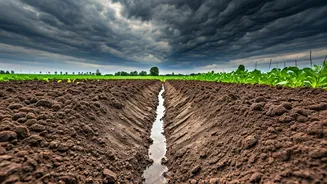
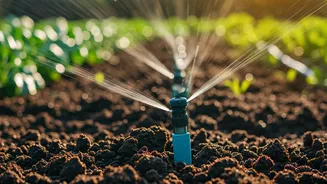
Every yard seems to have one: that low-lying corner where the lawn turns to mud after a storm, where water from the downspout creates a perpetual puddle. For decades, the solution was to install complex drainage systems or build raised beds—to fight the water.
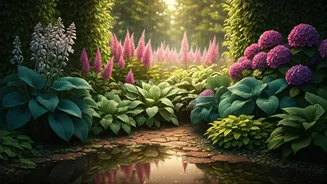
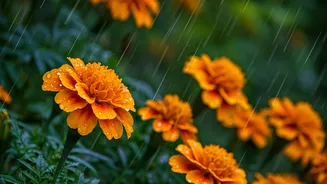
But a smarter, more sustainable approach is gaining popularity across the U.S. Enter the rain garden, a landscape feature designed to thrive on excess water. This isn't just about planting a few water-tolerant species; it's a fundamental shift toward working *with* your local climate, not against it. By choosing plants that love 'wet feet,' you can transform a frustratingly damp area into the most vibrant and dynamic part of your garden, attracting pollinators and reducing stormwater runoff in the process.
What Is a Rain Garden?
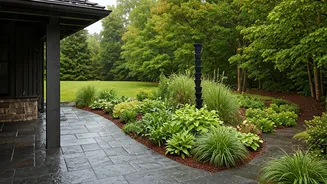
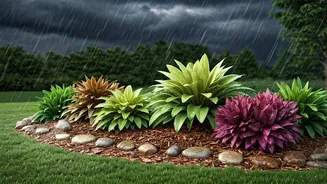
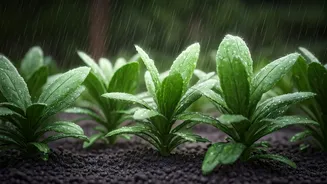
Think of a rain garden as a beautiful, hardworking sponge. It's a shallow depression in your landscape, strategically placed to collect rainwater runoff from surfaces like roofs, driveways, and patios. It’s filled with deeply-rooted, moisture-loving native plants and absorbent soil that allow water to slowly filter into the ground rather than overwhelming storm drains. This simple act has a huge environmental payoff. It helps recharge local groundwater, filters pollutants like fertilizers and oils before they reach local waterways, and provides a critical habitat for birds, butterflies, and beneficial insects. Far from being a swampy bog, a well-designed rain garden is typically dry between storms, making it a versatile and stunning addition to any yard.
The Showstopper: Siberian Iris (Iris sibirica)
If you want elegance and resilience, look no further than the Siberian Iris. With its delicate, jewel-toned flowers in shades of blue, purple, and white, it brings a touch of class to any wet spot. These plants form dense clumps of grassy foliage that look good all season, even after the blooms fade in early summer. They are perfectly happy in moist soil and can even tolerate standing water for short periods, making them ideal for the lowest point of a rain garden. Plus, they are incredibly low-maintenance and deer-resistant—a true garden workhorse.
The Textural Wonder: Ostrich Fern (Matteuccia struthiopteris)
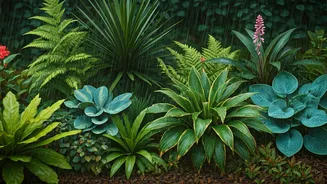
For shady, damp corners, the Ostrich Fern is an unbeatable choice. It gets its name from its large, feathery fronds that resemble ostrich plumes, unfurling dramatically in the spring. These ferns create a lush, prehistoric vibe and can spread to form a dense, weed-suppressing colony. They thrive in consistently moist soil and are perfect for planting along a stream bed or in a woodland garden setting. Their height and architectural shape provide a wonderful backdrop for shorter, flowering plants.
The Pollinator Magnet: Joe Pye Weed (Eutrochium purpureum)
Don't let the 'weed' in its name fool you. Joe Pye Weed is a stately native perennial that is a must-have for any eco-conscious gardener. Growing up to seven feet tall, it produces huge, dusty-rose flower heads in late summer that are an absolute magnet for butterflies. It loves moist to wet soils and is often found naturally in damp meadows and along stream banks. Plant it at the back of a border or in the center of a rain garden as a stunning 'thriller' element that provides vertical interest and a critical late-season nectar source.
The Colorful Hummer: Cardinal Flower (Lobelia cardinalis)
Want to attract hummingbirds? Plant Cardinal Flower. Its brilliant, fiery-red spikes of flowers are impossible to miss and are perfectly shaped for hummingbirds to feast on. This native plant adores moisture and is commonly found in wet woodlands and along the edges of ponds. While it can be a short-lived perennial, it often self-seeds in happy conditions, ensuring its vibrant presence returns year after year. It provides a stunning jolt of color from mid-summer into fall, precisely when many other plants are beginning to fade.
Putting It All Together
Creating your own rain-loving garden area is simpler than it sounds. Start by observing where water naturally pools in your yard during a heavy rain. This is your prime location. When planting, think in layers: place the most water-tolerant plants like iris and cardinal flower in the lowest part of the basin, and plants that prefer moist-but-not-soggy soil, like ferns and astilbe, along the sloped sides. Amending the soil with compost will help improve its texture and ability to absorb water. The result is a self-sustaining system that is as practical as it is beautiful.