



Moving Past 'Diet' Snacking
For decades, a “healthy” snack meant one thing: deprivation. It was the 100-calorie pack of bland crackers, the chalky fat-free yogurt, or the rice cake that tasted like styrofoam. The goal was simply to be “less bad” than a candy bar. We counted calories,
demonized fat, and accepted that snacking was a necessary evil to tide us over until the next “real” meal. But that era is officially over. The trend taking over isn't about what's being removed, but what's being added. Consumers are no longer satisfied with empty calories; they're looking for snacks that work for them, providing tangible benefits that go far beyond simple hunger management.
The 'Clean and Functional' Philosophy
Today’s dominant trend is a two-part punch: clean labels and functional benefits. “Clean label” means you can actually read and understand the ingredient list. Think whole foods like nuts, seeds, dates, and chickpeas instead of a chemistry set of artificial flavors, preservatives, and unpronounceable powders. The second part, “functional,” is where the real revolution lies. A functional snack does a job. It might be packed with protein to build muscle and keep you full, loaded with fiber and probiotics for gut health, or infused with adaptogens to help manage stress. It’s snacking with intent. Instead of just quieting a rumbling stomach, the modern healthy snack aims to boost your energy, sharpen your focus, or support your digestive system.
Trend in Action: Gut-Health Heroes
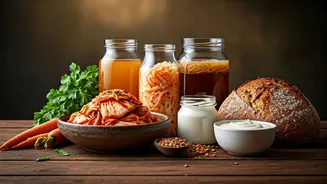
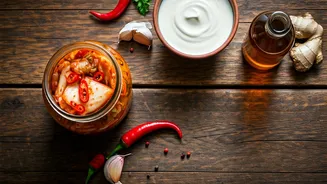
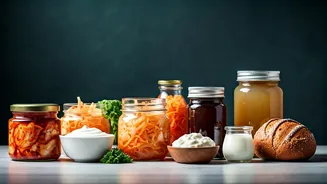
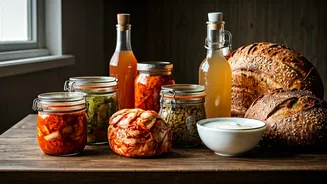
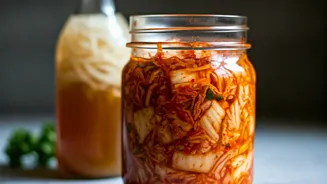
The conversation around gut health has exploded, and the snack aisle reflects it. Your gut microbiome, the collection of trillions of bacteria in your digestive tract, is linked to everything from immunity to mood. So, snacks are being formulated to feed it. This goes way beyond yogurt. You can now find snackable kefir drinks, single-serving packs of kimchi and sauerkraut, and high-fiber granola bars specifically marketed for digestive wellness. Even sodas have gotten a makeover, with prebiotic drinks from brands like Poppi and Olipop offering a bubbly fix that includes fiber to nourish good gut bacteria. These aren't just snacks; they're a daily dose of support for your internal ecosystem.
Trend in Action: Protein Power-Ups
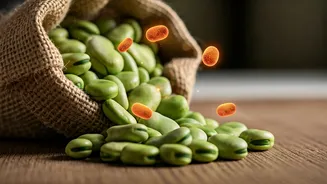
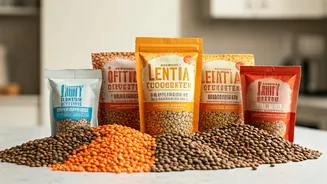
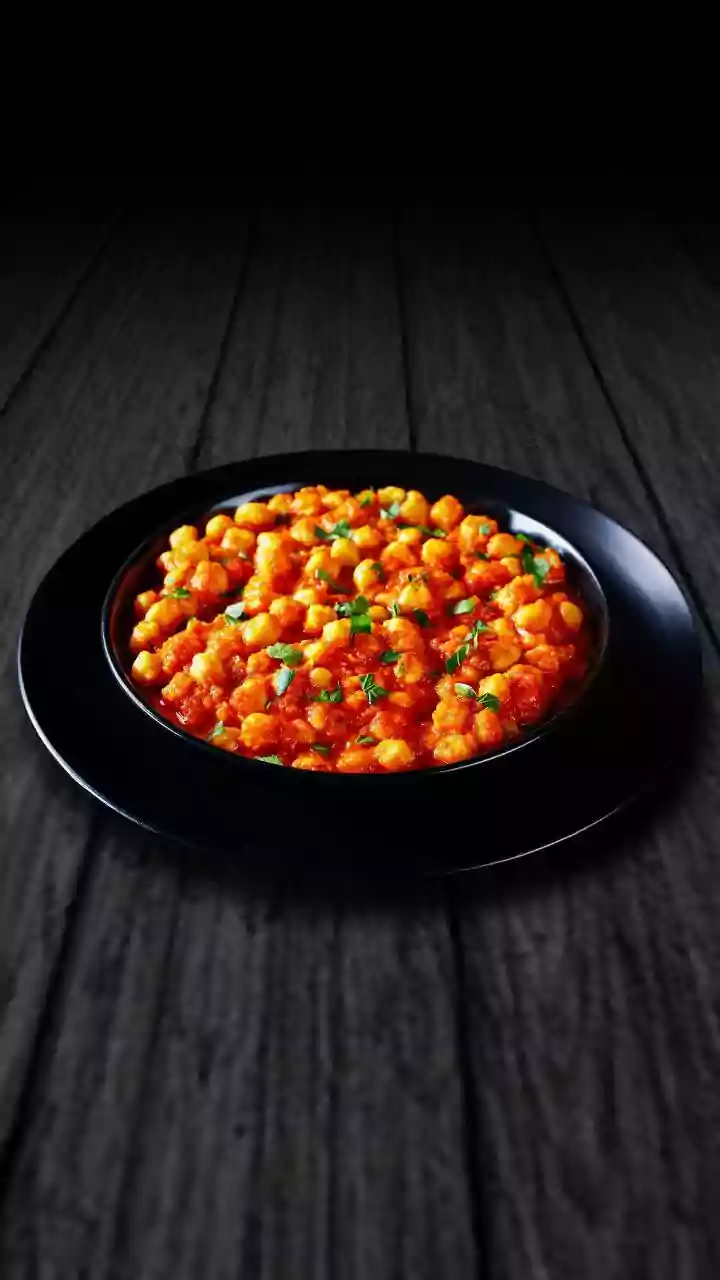
Protein has long been a buzzword, but its source and format are changing. While whey protein bars still exist, the big growth is in plant-based and whole-food protein sources. Roasted chickpeas and fava beans are delivering a satisfying crunch with a serious protein and fiber punch. Nut butters are now squeezed into convenient single-serving packets. You'll also see chips made from lentils or black beans that offer significantly more protein than their potato-based ancestors. The goal is satiety—the feeling of fullness and satisfaction. A snack high in protein and fiber keeps you fuller for longer, preventing the energy crash and subsequent craving cycle that comes with sugary, carb-heavy options.
Trend in Action: Better Energy and Focus
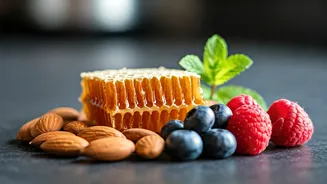
The 3 p.m. slump used to be solved with a coffee or a candy bar. The functional food approach offers a more sustainable solution. Energy bites made from dates, oats, and nuts provide slow-release carbohydrates and healthy fats for lasting fuel without the sugar crash. Another growing sub-trend is the inclusion of adaptogens—herbs and mushrooms like ashwagandha and lion's mane that are believed to help the body manage stress and improve cognitive function. You can find these added to everything from granola bars to canned coffees, promising not just a jolt of caffeine but a sense of calm, sustained energy and mental clarity.
How to Spot the Good Stuff
Navigating the shelves is easier than you think. First, flip the package over and read the ingredients. Is the list short? Do you recognize most of what's on it? That’s a great start. Next, look at the front of the package for callouts that signal functional benefits. Phrases like “10g of protein,” “good source of fiber,” “live and active cultures,” or “made with whole grains” are clues that the snack is designed to do more than just fill a void. Don’t get bogged down by calorie counting alone. A 200-calorie snack made of almonds, seeds, and fruit offers far more nutritional value and staying power than a 100-calorie pack of refined crackers.