




The Rise of the Micro-Cation
For previous generations of Indians, the annual vacation was often a major logistical undertaking—a long, planned-out affair involving the entire extended family, usually to a religious site, a cooler 'hill station' to escape the summer heat, or a relative's
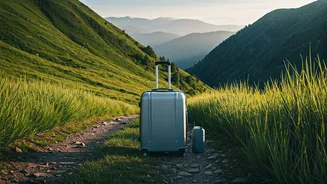
home. It was an event. Today, for India’s massive population of millennials and Gen Z—who make up over half the country—the script has been completely flipped. They’re championing the 'micro-cation': short, frequent trips of one to four days, often planned on a whim. Instead of saving up leave for one big break, they are peppering their year with multiple small escapes, turning long weekends into opportunities for adventure. This isn't just about a lack of time; it's a fundamental change in how they view work, leisure, and life.
So, What Exactly Is a 'Big Vibe'?
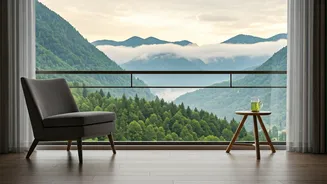
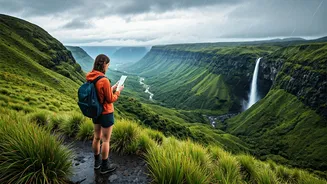
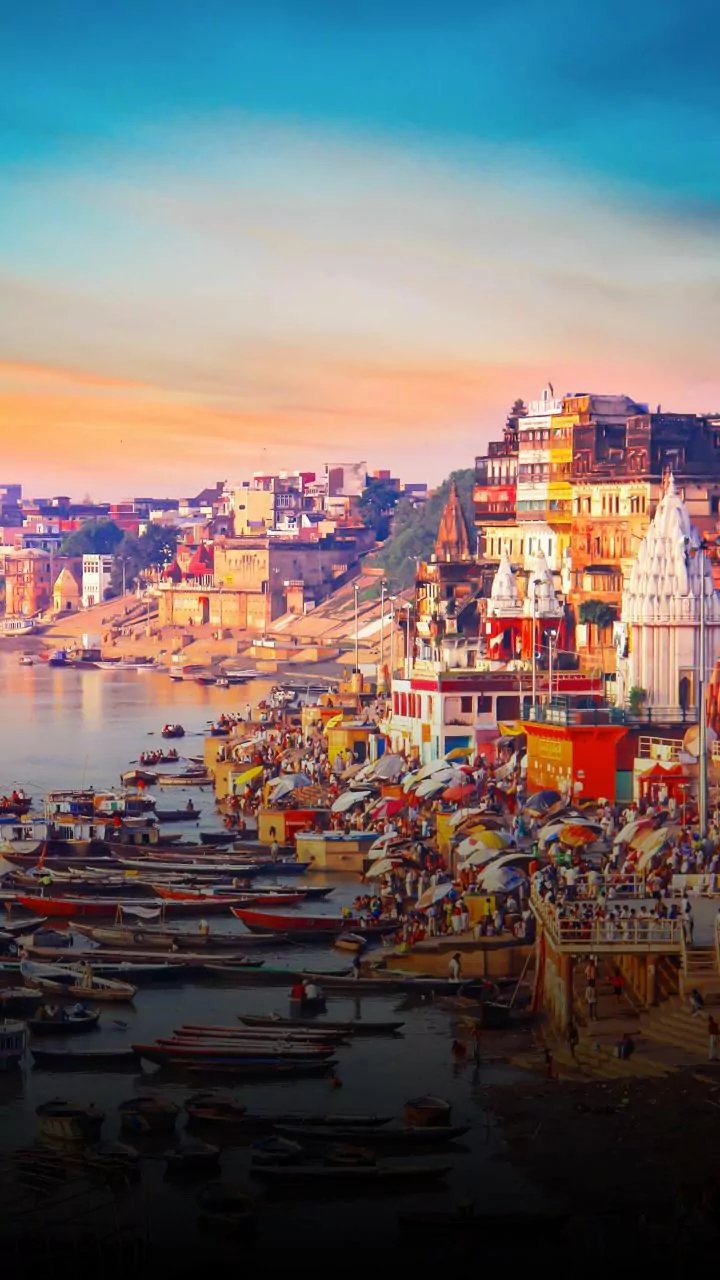
The key ingredient in this new travel formula is the elusive 'vibe.' It’s a catch-all term for the overall aesthetic and emotional quality of an experience. A trip with 'big vibes' isn't about ticking off landmarks from a guidebook. It's about staying in a boutique hotel with a stunning view, discovering a hidden cafe with artisanal coffee, or finding a secluded beach perfect for an Instagram story. The vibe is about curated authenticity. It’s less about seeing the Taj Mahal for the tenth time and more about renting a beautifully designed homestay in the mountains of Himachal Pradesh or exploring the Franco-Tamil architecture of Puducherry. This focus on aesthetics and atmosphere is heavily influenced by social media, where the visual appeal of a trip is as important as the destination itself.
The Burnout-and-Recharge Cycle
This trend isn't just driven by a desire for cool photos; it’s a direct response to the pressures of modern Indian professional life. In booming metropolises like Bengaluru, Mumbai, and Gurgaon, young professionals face a high-stress, always-on work culture. Demanding jobs in tech, finance, and the burgeoning startup ecosystem often lead to rapid burnout. The short break has become a form of self-care, a necessary pressure-release valve. It’s a chance to disconnect from work emails and city noise, even for just 72 hours. Travel platforms and airlines have capitalized on this, offering last-minute deals and curated weekend packages that make these quick recharges both accessible and affordable for a generation with newfound disposable income.
A Digitally Native Movement
This entire phenomenon is powered by technology. India’s digital revolution has put a smartphone in nearly every young person's hand, and with it, the tools to dream, plan, and book a trip in minutes. Instagram and YouTube are the new travel agents, with influencers showcasing off-the-beaten-path destinations and setting the standard for what a 'vibe' looks like. Simultaneously, domestic travel aggregators like MakeMyTrip and EaseMyTrip have streamlined the booking process, while budget airlines like IndiGo have made even remote corners of the vast country accessible for a weekend trip. This generation doesn't pore over travel guides; they scroll through feeds, find inspiration, and book on an app, often while commuting to the very job they’re hoping to escape.
A Boom for Boutique and Local Travel
The economic impact of this shift is significant. The demand for 'big vibes' is fueling a boom in boutique hospitality and experiential tourism. It’s no longer enough for a hotel to offer a clean bed; it needs a story, a design ethos, and unique experiences. This has spurred the growth of independent homestays, eco-resorts, and farm stays that offer a more personal and localized experience than large, impersonal chains. Entrepreneurs are converting ancestral homes into heritage hotels and offering curated tours focused on local food, crafts, and nature. As a result, tourism revenue is flowing into smaller towns and rural areas that were previously overlooked, creating a more diverse and resilient travel economy across the country.