
Beyond the Traditional Sweet Box
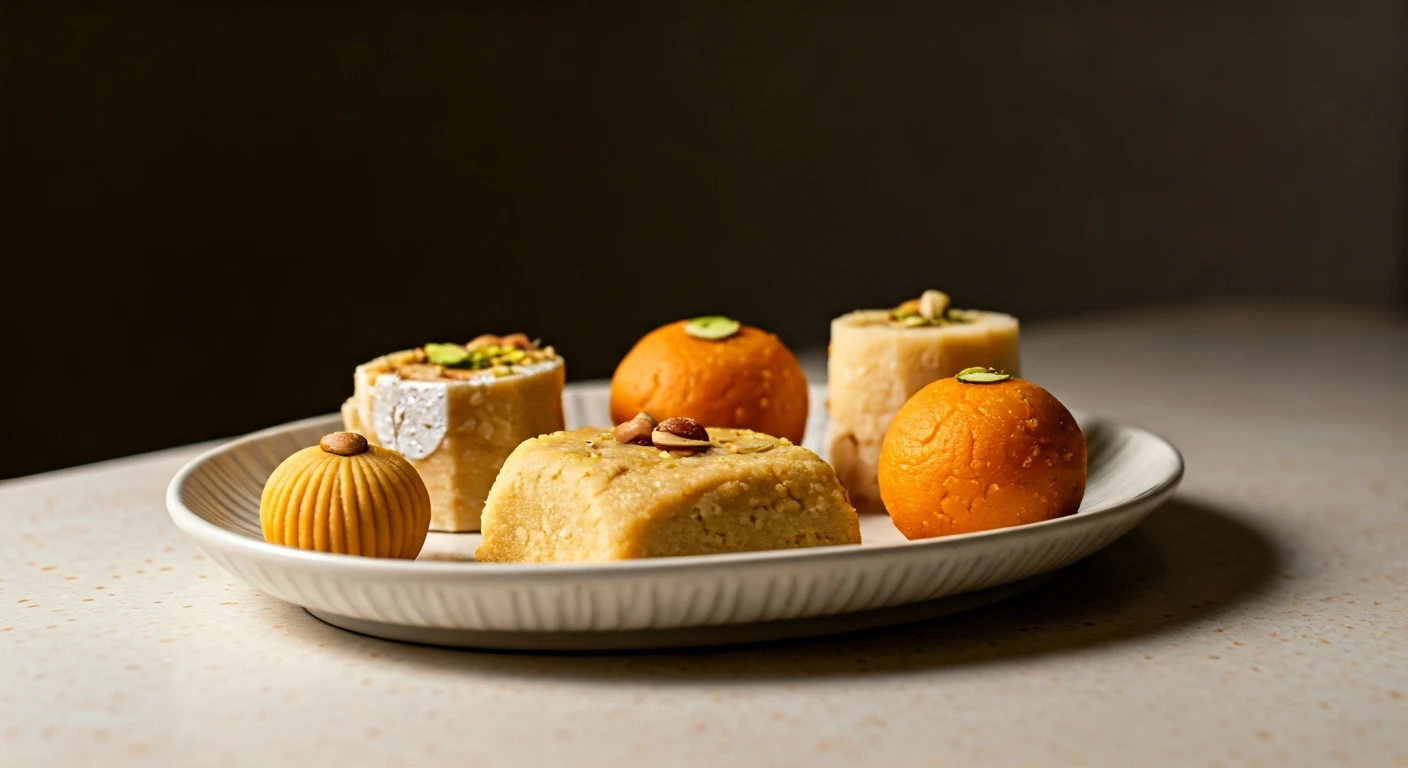
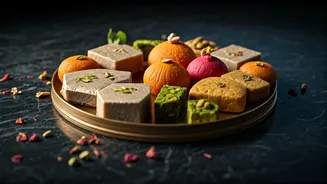
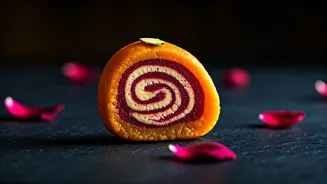
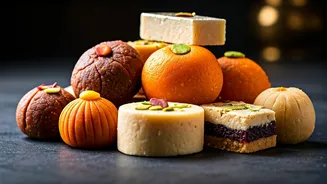
For generations of South Asians in the U.S., mithai have been a cornerstone of celebration. These intricate sweets, whose name simply translates to “sweets” in Hindi, are essential for holidays like Diwali, weddings, and births. Traditionally, they’re
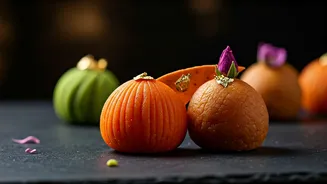
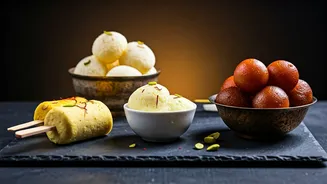
crafted from a base of milk solids (khoya), chickpea flour (besan), nuts, sugar, and fragrant spices like cardamom and saffron. Think of dense, fudge-like burfi, spherical ladoos made from tiny droplets of fried batter, or sticky-sweet jalebi spirals. While beloved, they were often seen as a culturally specific treat, bought from specialty shops and served within the community. For a long time, the American party spread remained dominated by European-style cakes, cookies, and pastries.
The Glow-Up: Chocolate, Gold, and French Pastry
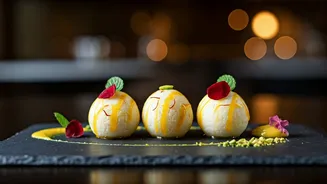
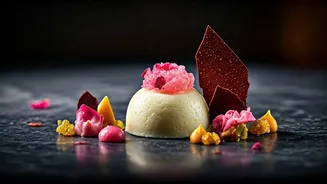
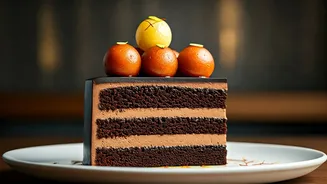
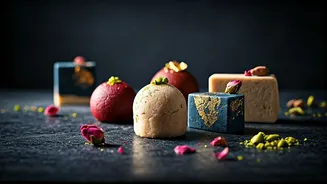
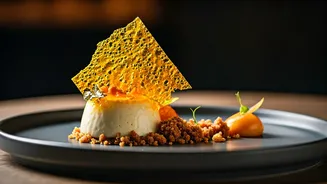
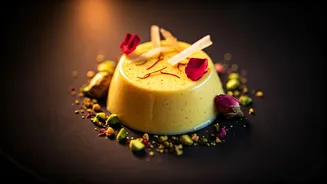
That’s all changing. A new wave of pastry chefs and confectioners, many of them second-generation South Asian Americans, are reimagining mithai for a modern, global palate. They’re deconstructing traditional recipes and rebuilding them with high-end ingredients and sophisticated techniques borrowed from French and American baking. This isn't just about making them prettier; it's a fundamental reinvention. We're seeing ladoos filled with salted caramel, pistachio burfi layered into delicate tart shells, and gulab jamun (a syrup-soaked dumpling) reborn as the centerpiece of a rich cheesecake. Artisans are using premium ingredients like Valrhona chocolate, Madagascar vanilla, and edible 24-karat gold leaf. The final products are less intensely sweet than their traditional counterparts, with more complex flavor profiles that appeal to a broader audience.
A Taste of Identity
So, why now? This trend is about more than just good food; it's a powerful expression of cultural identity. For many young chefs, it's a way to connect with their heritage while forging their own creative path. They grew up navigating two cultures, and their food reflects that beautiful duality. Instead of siloing their family’s flavors away from their professional training in Western kitchens, they’re merging them. This culinary movement allows them to reclaim and elevate the foods of their childhood, presenting them with the same reverence and artistry typically reserved for a petit four or a macaron. It’s a confident declaration that these flavors don’t need to be watered down or hidden—they deserve to be the star of the show.
Chefs Redefining the Dessert Course
Across the country, small businesses are leading this charge. In New York, bakeries like Knead Some Love NY have gained a cult following for their mithai-stuffed cookies, with flavors like chai spice and besan (chickpea flour). In California, entrepreneurs are creating sleek, beautifully packaged mithai boxes that look more like they came from a luxury Parisian chocolatier than a traditional sweet shop. These chefs are not just vendors; they are storytellers. Through their creations, they’re educating customers on the nuances of South Asian flavors, introducing them to the floral notes of rose, the earthy warmth of cardamom, and the nutty depth of pistachio in a format that feels both exciting and accessible. They are making mithai not just a cultural delicacy, but a contemporary dessert destination.