


1. Start with an Earthy Color Palette
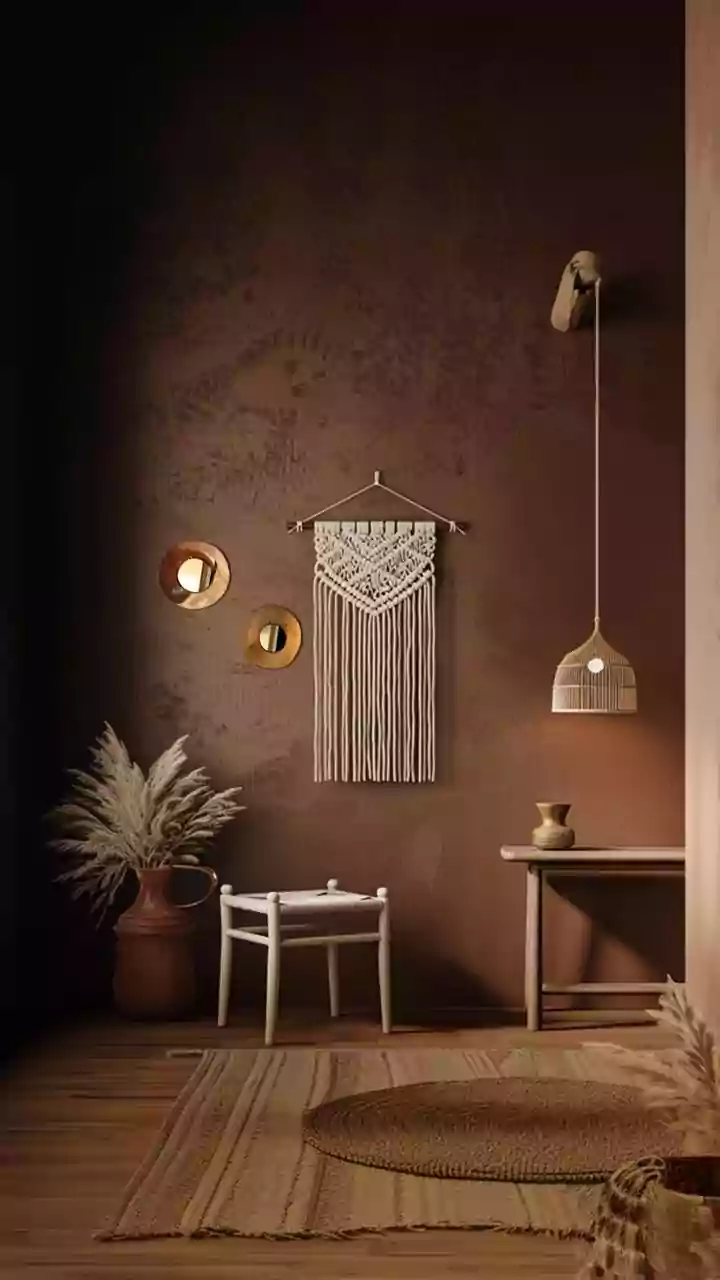
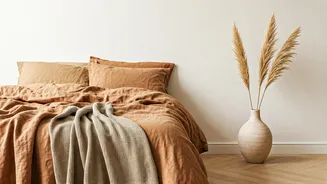
The foundation of any nature-inspired space is its color scheme. Move away from stark whites and cool grays and instead embrace the rich, warm tones found in the natural world. Think of a walk in the woods or a day at the beach. This season’s go-to hues
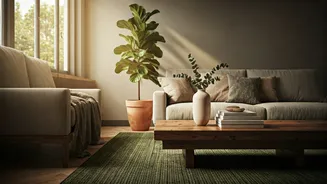
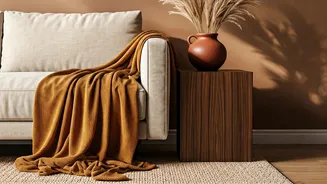
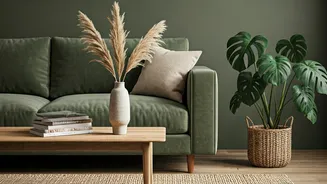
include warm terracotta, muted sage and olive greens, sandy beiges, and deep, earthy browns. These colors create an instant sense of warmth and grounding. You don’t need to repaint your entire house; start small. A feature wall in a soft green, throw pillows in a burnt orange, or a cozy blanket in a mushroom brown can completely transform the feel of a room, making it more inviting and serene.
2. Incorporate Natural Materials and Textures
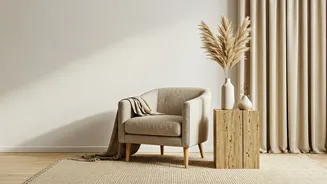
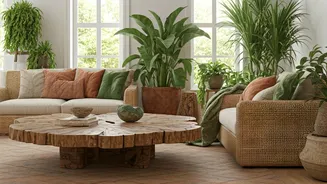
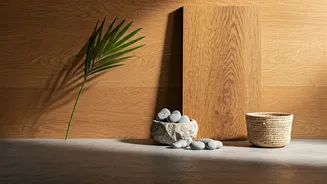
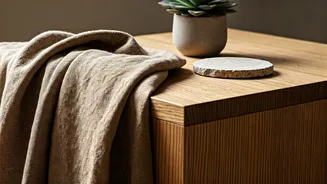
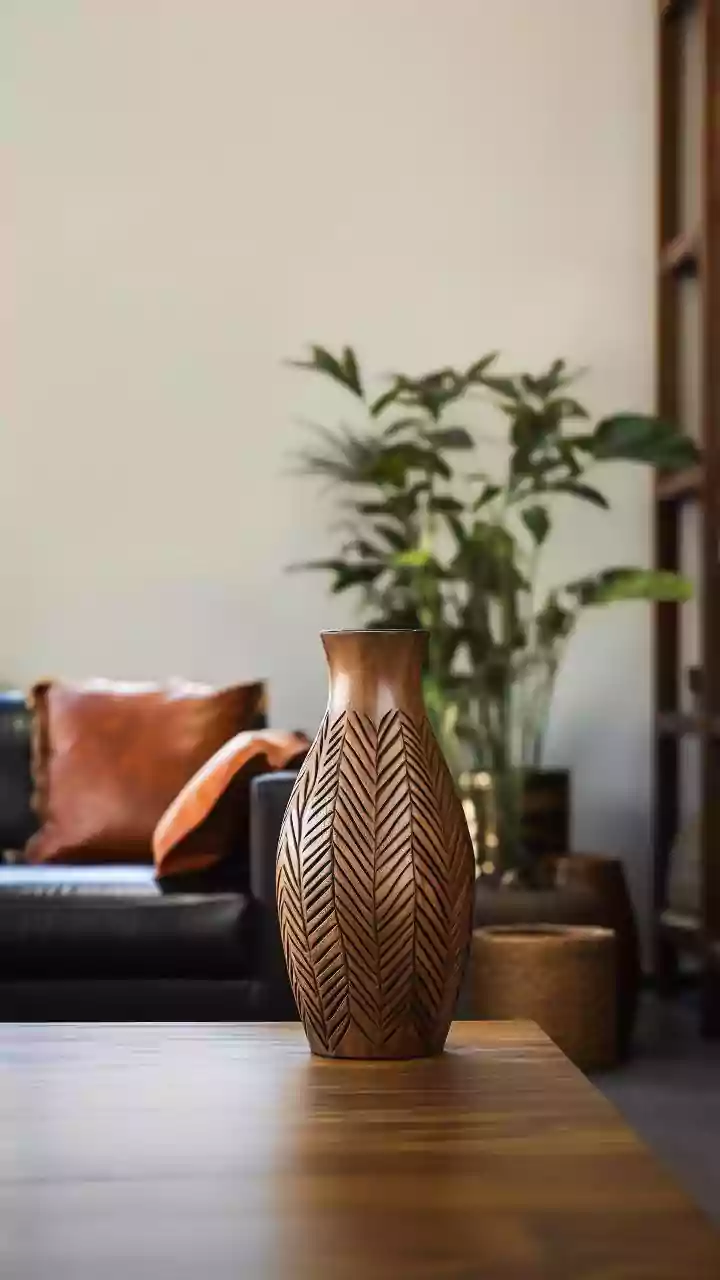
Texture is key to making a nature-inspired room feel authentic and layered. Look for pieces made from materials that are minimally processed and celebrate their organic origins. Light-toned woods like oak and ash are popular for furniture, as are woven materials like rattan, jute, and wicker for chairs, baskets, and light fixtures. A jute rug can anchor a living room, while rattan accent chairs add a touch of relaxed sophistication. Don’t forget about stone and ceramic; a marble coffee table, a travertine side table, or simple earthenware vases add a cool, solid element that balances the warmth of wood and textiles. These materials engage the senses and create a tactile experience that’s both rustic and refined.
3. Bring in the Greenery (Real or Faux)
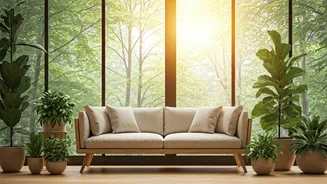
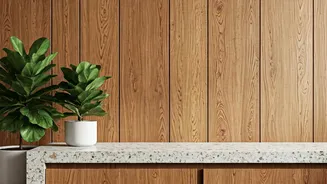
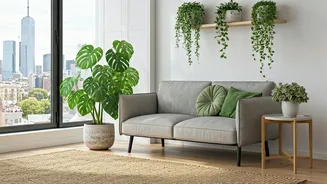
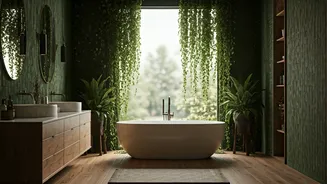
The most literal way to bring nature indoors is with plants. The concept of biophilic design—integrating nature into the built environment to improve well-being—is at the heart of this trend. Houseplants not only add a vibrant splash of color but are also proven to boost moods and purify the air. For a dramatic statement, consider a tall fiddle-leaf fig or a monstera in a corner. If you’re short on space, hanging plants like pothos or string of pearls add life without taking up floor space. And if you don't have a green thumb, don't worry. High-quality faux plants have become incredibly realistic and offer the same visual benefit without the maintenance. Grouping several plants of varying sizes together creates a lush, jungle-like feel.
4. Choose Organic Shapes and Soft Lines
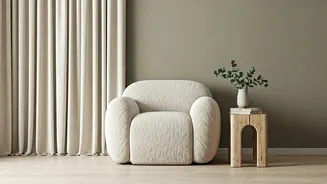
Nature rarely moves in straight lines. Reflect this by choosing furniture and décor with soft, curved, and irregular shapes. This season is seeing a major shift away from sharp, geometric silhouettes toward more fluid forms. Think sofas with rounded edges, circular coffee tables, and mirrors shaped like pebbles. Even smaller accessories, like amorphous ceramic vases or bowls with an uneven, handmade quality, contribute to this aesthetic. These organic shapes break up the rigid lines of a room, creating a more relaxed and dynamic flow. They feel more welcoming and less formal, mimicking the imperfect beauty found in the natural world.
5. Maximize Natural Light
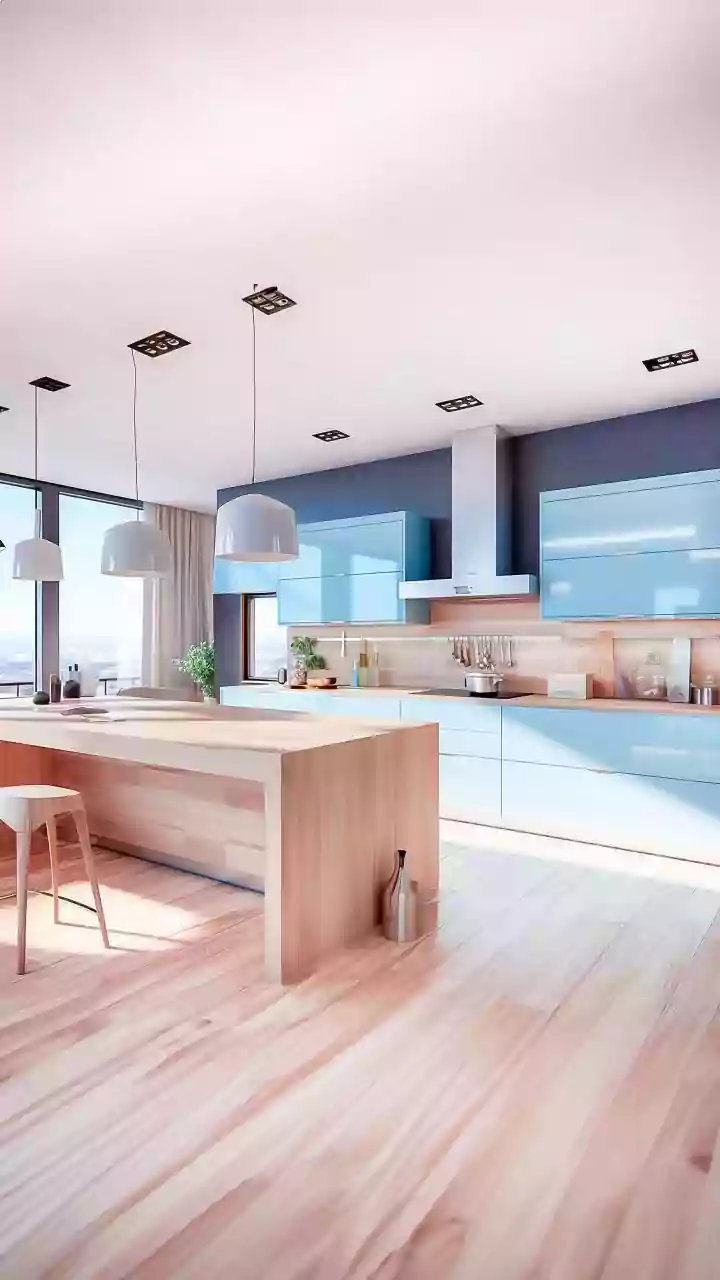
A bright, airy space is fundamental to feeling connected to the outdoors. Make the most of the natural light you have. Swap out heavy, dark curtains for sheer linen drapes or light-filtering blinds that allow sunlight to pour in while still providing privacy. A well-placed mirror can also do wonders, bouncing light around the room and making it feel larger and more open. Keep window sills clear of clutter to create an unobstructed view. The goal is to blur the line between inside and out, and flooding your space with daylight is one of the most effective ways to achieve that.
6. Use Botanical Prints and Art
If you want to fully commit to the theme, introduce patterns inspired by flora and fauna. This can be as bold as a botanical-print wallpaper on an accent wall or as subtle as a few throw pillows embroidered with leaf motifs. Framed art depicting landscapes, pressed flowers, or minimalist line drawings of plants can tie the room together. When choosing patterns, stick to the earthy color palette you’ve established to ensure the look remains cohesive and calming rather than chaotic. These decorative touches serve as the final layer, reinforcing the natural theme and adding a personal, artistic flair to your space.