




Understanding Tamil Nadu's Unique Monsoon
When most Americans think of the Indian monsoon, they picture the dramatic summer deluges of the southwest monsoon from June to September. But Tamil Nadu, a sprawling state on the country’s southeastern coast, plays by its own rules. Its primary rainy
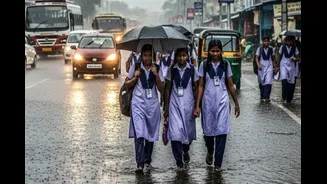
season is the northeast monsoon, which typically arrives in October and lasts through December. Unlike a constant downpour, this season is characterized by intense but often short bursts of rain, followed by periods of clear, humid weather. The storms roll in from the Bay of Bengal, washing the dust from the air, turning the countryside a brilliant, electric green, and filling the region’s rivers and waterfalls. For travelers, this doesn't mean your trip is a washout. It means planning for a different kind of beauty—one that’s dramatic, atmospheric, and far less crowded than the peak tourist season.
Monsoon Sanctuaries: Where to Go
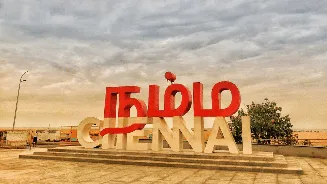
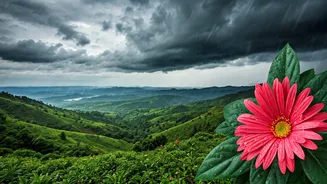
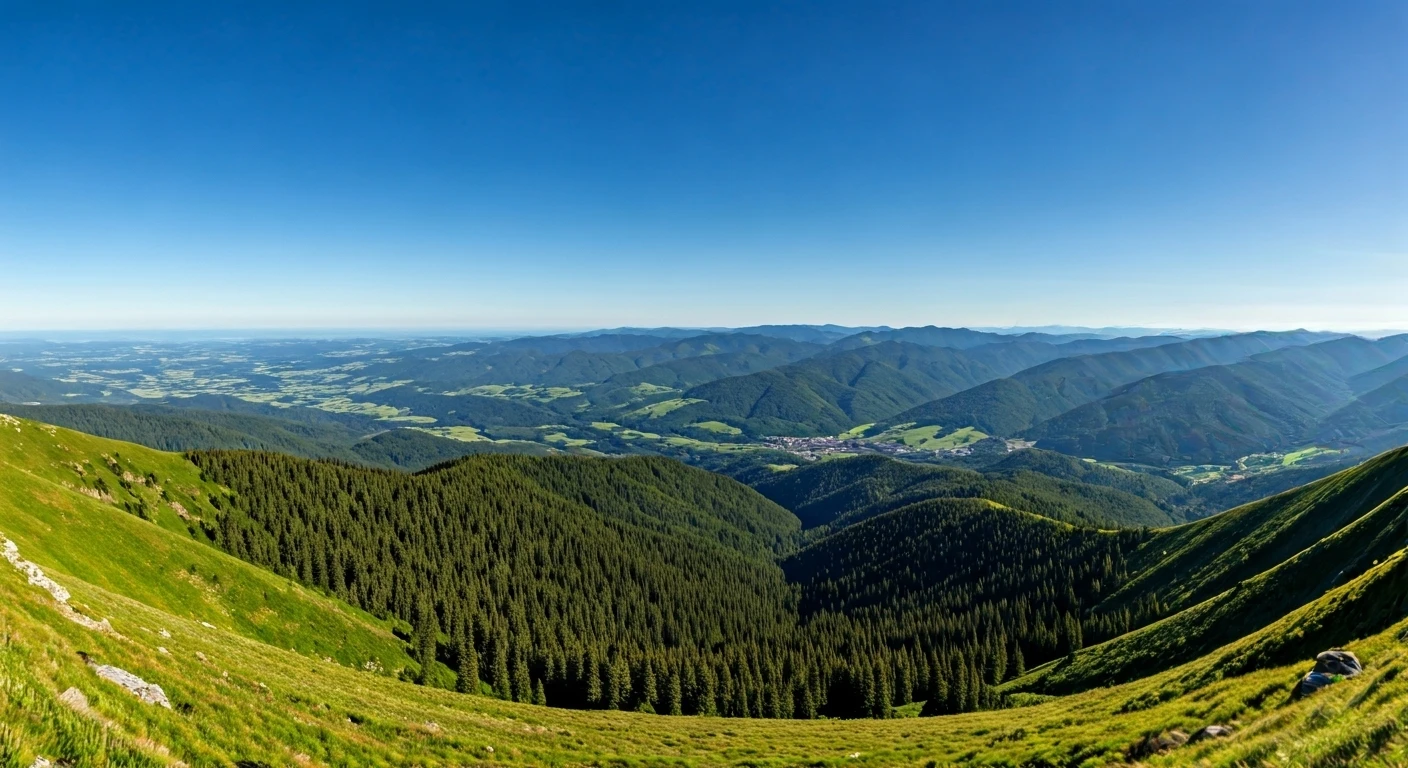
While beach days in places like Mahabalipuram might be off the table, the monsoon unlocks the charm of other destinations. Head for the hills. Hill stations like Kodaikanal and Ooty, nestled in the Western Ghats, are transformed into misty, ethereal landscapes. The fog rolling through the tea plantations and the sound of rain on a cottage roof offer a serene escape. This is the perfect time for short, scenic drives (with a reliable driver) and enjoying the view from a cozy café. Alternatively, lean into the culture. Cities like Madurai, home to the spectacular Meenakshi Amman Temple, and Chennai, with its wealth of museums and classical music halls, offer plenty of indoor wonders to explore. The rain simply adds to the atmosphere of these ancient places, and you’ll often have sprawling temple complexes nearly to yourself. Just be prepared for 'tanker' traffic in Chennai if rains are heavy, and plan your city movements accordingly.
Your Essential Rain-Ready Packing List
Packing smart is the key to enjoying a monsoon-era trip. Leave the cotton at home; it takes forever to dry in the humidity. Instead, opt for lightweight, quick-drying synthetic fabrics. A reliable, breathable rain jacket is non-negotiable. For footwear, forget flimsy flip-flops that will send you sliding on slick temple stones. Invest in a sturdy pair of waterproof sandals with good grip or quick-drying walking shoes. An umbrella is a must for short dashes between your car and a storefront. Don't forget powerful mosquito repellent, as the wet weather brings them out in force. Finally, protect your gear. A small dry bag or even a few heavy-duty zip-top bags are essential for keeping your phone, camera, and passport safe from sudden downpours. A portable power bank is also wise, as occasional power cuts can occur during heavy storms.
Embrace the Slower, Sensory Pace
The single best piece of advice for monsoon travel is to slow down and embrace the rhythm of the rain. This isn’t a time for a packed, minute-by-minute itinerary. Instead, build flexibility into your schedule. The rain might delay a car journey or inspire you to spend an entire afternoon reading on a covered veranda, listening to the downpour. This is the season for sensory indulgence. Savor a cup of hot, strong filter coffee while watching the storm pass. Relish the earthy smell of petrichor—the scent of rain hitting dry earth. Enjoy the fact that you’re experiencing a more authentic version of local life, where everything is dictated by the weather. The monsoon strips away the tourist rush and leaves behind a quieter, more contemplative, and deeply beautiful Tamil Nadu that few visitors get to see.