
Timing Is Everything
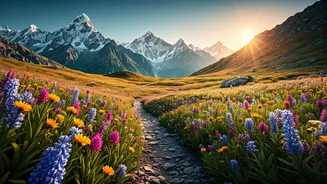
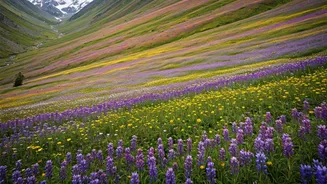
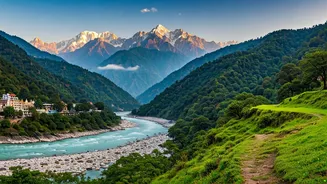
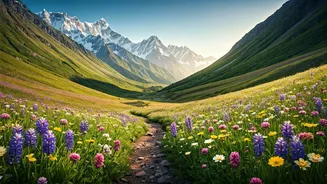
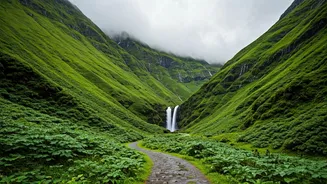
Unlike year-round destinations, the Valley of Flowers has an extremely narrow window of opportunity. The park is only open from June to October, and the real magic—the full, vibrant bloom—happens for just a few weeks between mid-July and mid-August. This
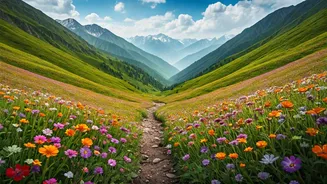
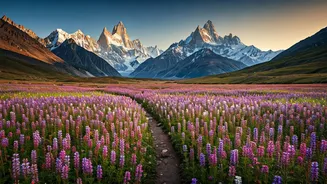
is peak monsoon season in the Himalayas. While that means dealing with rain, it’s the very reason the valley is so lush and alive. Plan outside this window, and you might find a landscape that’s either still covered in snow or has already begun to fade. Experienced trekkers book their travel and guides months in advance to align perfectly with this fleeting, floral spectacle. Don't assume you can just show up in June and see the iconic carpet of blue poppies and primulas; patience and precise timing are your first, most critical planning steps.
This Isn't a Day Hike
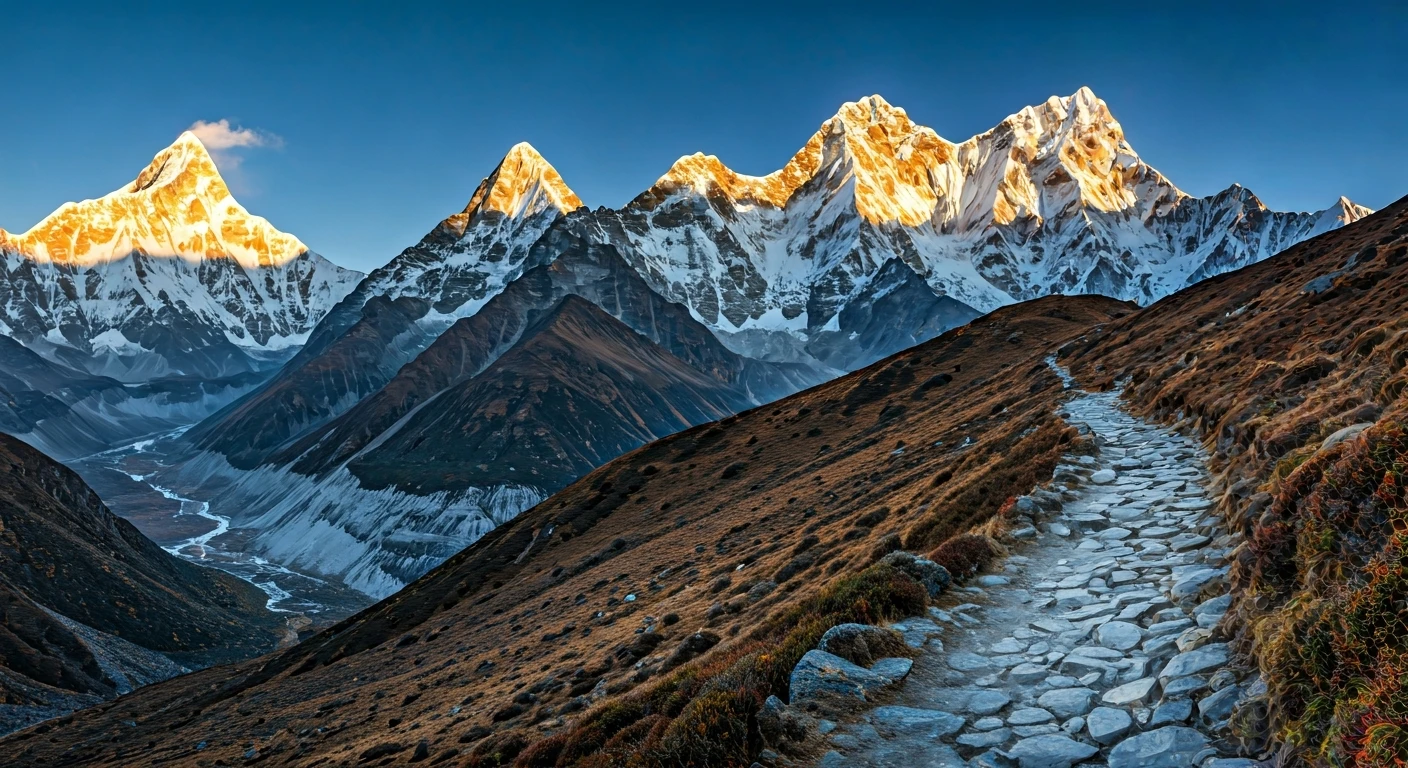
From the United States, getting to the Valley of Flowers is a multi-stage expedition. After flying into Delhi, you'll likely take a train or flight to a city like Rishikesh or Dehradun. From there, it's a long, winding road journey (often taking a full day or more) to the trek's starting area, Govindghat or Pulna. The trek itself is not a simple walk in the park. The main base camp for the valley is a small village called Ghangaria, which is a strenuous 6-8 mile uphill trek from the roadhead. You'll spend the night here before hiking another 2-3 miles into the Valley of Flowers the next day. In total, expect to dedicate at least five to seven days just for the trekking portion of your trip, not including the extensive travel time required to even reach the trailhead.
Respect the Altitude
The Valley of Flowers sits at an elevation of around 12,000 feet, and the trek to get there involves significant altitude gain. The base camp, Ghangaria, is at roughly 10,000 feet. For most Americans living at or near sea level, this is a serious change that can trigger Acute Mountain Sickness (AMS). Symptoms can range from headaches and nausea to more severe, life-threatening conditions. Smart planning means building acclimatization days into your itinerary. Don't rush. The drive into the mountains helps, but the real test is the trek to Ghangaria. Listen to your body, stay hydrated (with water, not just caffeine or alcohol), and ascend slowly. Many itineraries wisely include a rest day in Ghangaria or a short, easy walk to help your body adjust before you tackle the final ascent into the valley.
Navigate the Permit System
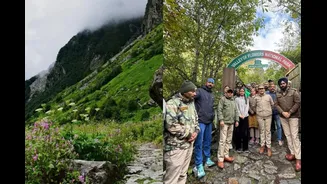
As a protected national park and UNESCO World Heritage Site, access to the Valley of Flowers is regulated. You can't just wander in. You'll need to secure permits, which are typically checked at an entry gate. These permits are issued by the Uttarakhand State Forest Department and have a daily fee for both Indian nationals and foreign visitors. While the process isn't overly complicated, it's a crucial piece of logistics you must account for. You'll need your passport and will pay the fee at a checkpoint near the start of the trail. If you're with a trekking company, they will handle this for you. If you're going independently, ensure you have the cash (Indian Rupees) and documents ready to avoid being turned away after a long journey.
Pack for Sun, Rain, and Cold
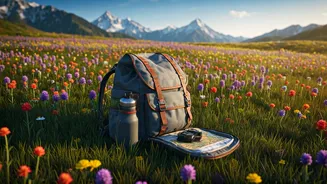
Packing for a Himalayan monsoon trek is a unique challenge. You will be exposed to intense sun at high altitudes, sudden downpours, and chilly temperatures, sometimes all in the same day. Your packing list must be versatile. Essential items include a reliable waterproof jacket and pants, quick-drying trekking clothes (avoid cotton), and sturdy, broken-in waterproof hiking boots. A daypack is needed to carry water, snacks, sunscreen, and extra layers into the valley. Since you'll likely be staying in basic guesthouses in Ghangaria, don't expect luxury amenities. Bring a portable power bank, any necessary personal medications, and a good headlamp, as electricity can be intermittent. The goal is to be prepared for all conditions without overpacking, as you or a porter will be carrying your gear up the mountain.