



Beyond the Buffet Line
For many Americans, the experience of Indian food has been largely defined by the restaurant buffet: a rich, creamy, and often simplified menu designed for Western palates. Dishes like chicken tikka masala (a British invention), heavy saag paneer, and mountains
of fluffy naan became the ambassadors of an entire subcontinent's cuisine. While delicious, this fare is a far cry from the daily meals cooked in most Indian homes. Traditional home cooking is typically lighter, regionally diverse, and centered on vegetables, lentils, and grains. It’s food meant to sustain and nourish, not just to be an occasional, decadent treat. The version of Indian food that dominated the U.S. for so long was a caricature, shaped more by commercial pressures and foreign tastes than by the country's vast and varied culinary traditions.
The Ayurvedic Awakening
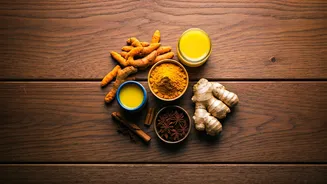
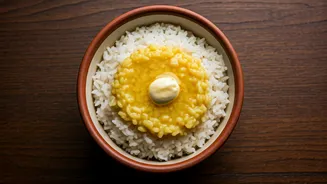
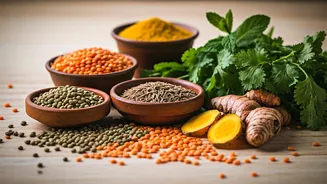
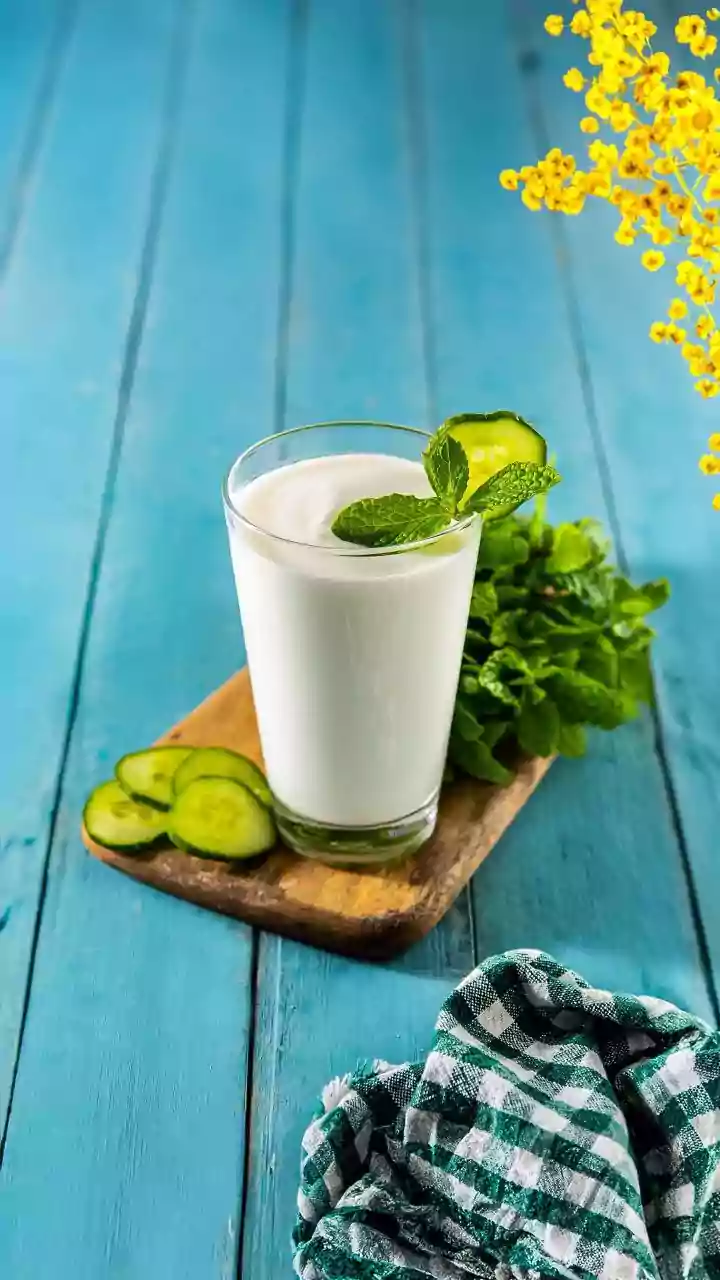
The new wave of authentic Indian wellness food is deeply intertwined with Ayurveda, a 5,000-year-old system of traditional medicine from India that views food as a primary tool for health. The word itself translates to "the science of life," and its principles emphasize balance, digestion, and eating in harmony with the seasons. This isn't about calorie counting; it’s about understanding how different foods and spices affect the body. Think of warming spices like ginger and black pepper in winter, or cooling foods like cucumber and mint in summer. Dishes are often designed to be easily digestible, using ingredients like ghee (clarified butter), which is prized for its health benefits, and turmeric, a powerful anti-inflammatory. As Americans have become more invested in concepts like gut health and mindful eating, the ancient wisdom of Ayurveda has found a surprisingly modern and receptive audience.
From Home Kitchens to Main Street
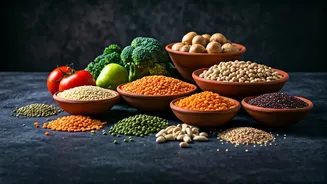
This culinary correction is being led by a new generation of Indian-American chefs, entrepreneurs, and home cooks who are tired of the stereotypes. Armed with family recipes and a desire to share a more accurate story, they are building brands and opening restaurants that celebrate the food they grew up with. They’re showcasing simple, nourishing dishes like khichdi—a comforting one-pot meal of rice and lentils often called India's "chicken noodle soup"—and poha, a light and savory flattened rice dish popular for breakfast. Through cookbooks, blogs, and beautifully curated Instagram feeds, they are educating the public on the difference between restaurant food and home food, reintroducing ingredients like millet and amaranth, and championing the nuance of regional Indian cuisines that rarely made it onto American menus.
What 'Authentic Wellness' Tastes Like
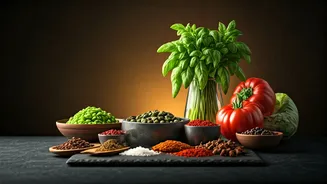
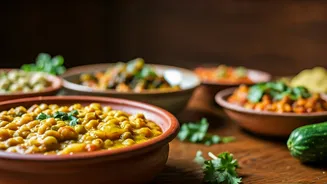
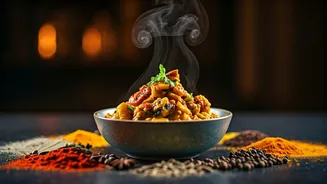
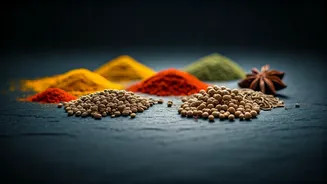
So what does this food actually look like on the plate? It’s vibrant, flavorful, and refreshingly un-heavy. Instead of thick, cream-laden gravies, you’ll find brothy, lentil-based stews (dals) seasoned with a 'tarka'—spices bloomed in hot ghee or oil to unlock their aromatic compounds. It’s less about scorching heat and more about complex, layered spice blends that aid digestion and add flavor without fat. You’ll see a greater emphasis on fresh, seasonal vegetables and a wider variety of grains beyond refined white rice and wheat. This is food that makes you feel good during and after the meal. It's the original plant-forward diet, rich in fiber and micronutrients, demonstrating that true Indian food has always been, at its core, wellness food.