


The Tropical Guest of Honor
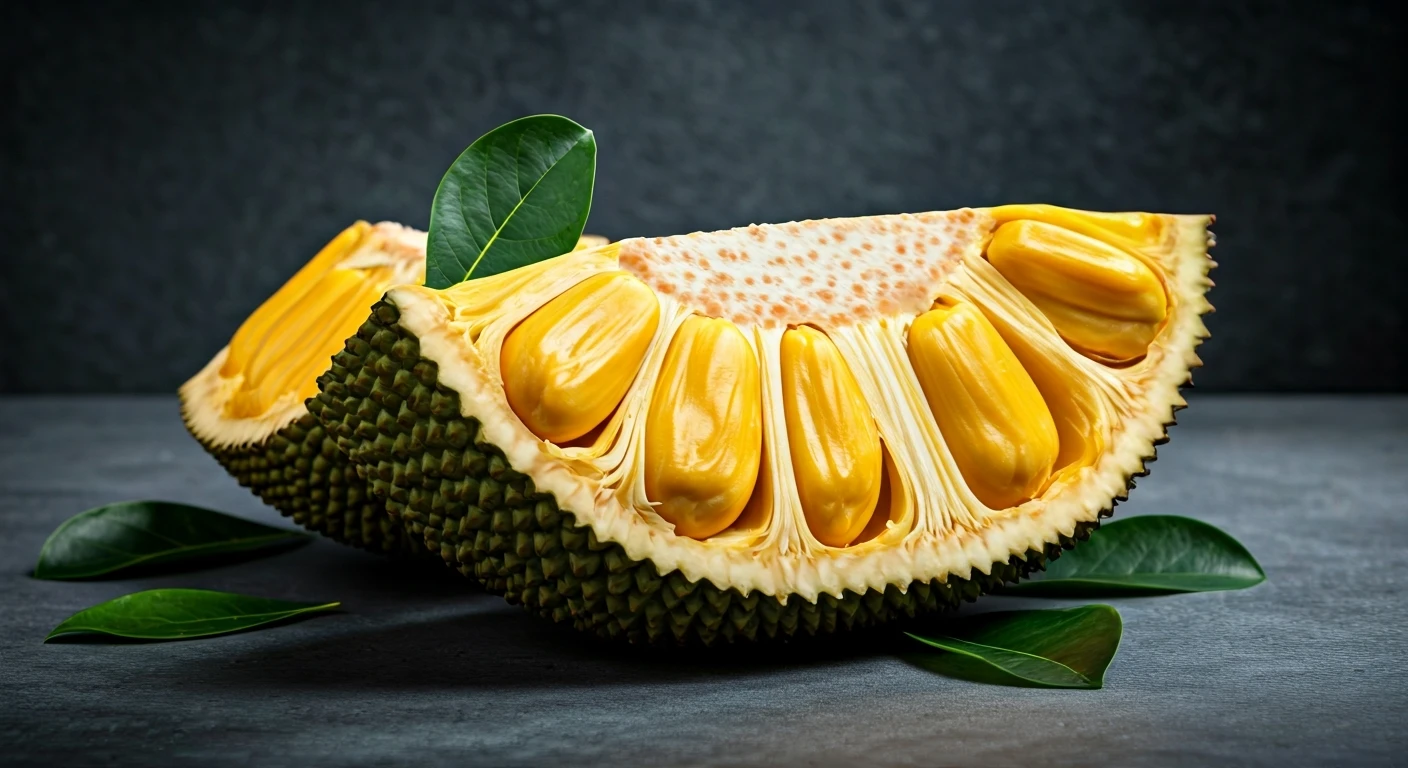
The fresh tropical reason exciting Delhi's discerning palates is the jackfruit. For many Americans, jackfruit burst onto the scene in the last decade, becoming the go-to meat substitute for everything from pulled pork sandwiches to tacos. Its stringy,
fibrous texture when unripe makes it a convincing stand-in for shredded meat. But in India, and specifically in Delhi, the story is far more complex. This isn't a new discovery; it’s a radical reinvention. The fruit, known locally as ‘kathal,’ has been a staple for generations, but never quite like this. It’s moving out of the home kitchen and into the trendiest cafes, creating a culinary culture clash that tastes surprisingly delicious.
A Humble, Thorny Past
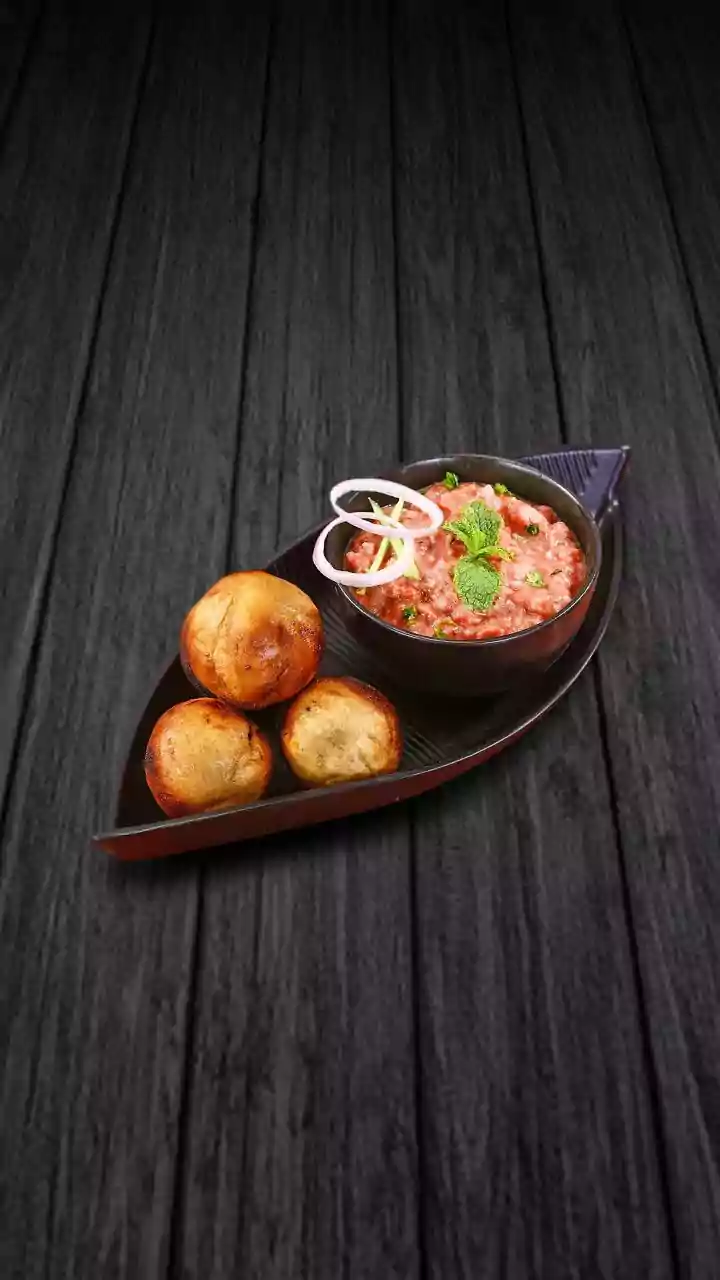
Before it was cool, jackfruit was just… food. In North Indian households, unripe jackfruit has long been treated as a vegetable, or ‘sabzi.’ The most common preparation is ‘kathal ki sabzi,’ a hearty, spiced curry where chunks of the firm, unripe fruit are cooked with onions, tomatoes, and a blend of aromatic spices like turmeric, coriander, and garam masala. The texture is often compared to artichoke hearts or, ironically, braised meat, but it has always held its own distinct identity. It was a seasonal, home-cooked delight, a vegetarian dish that offered a satisfying, meaty chew long before the term 'plant-based' entered the global lexicon. It was respected, but it certainly wasn't glamorous. It was the reliable character actor of the vegetable world, not the leading star.
The Millennial Makeover
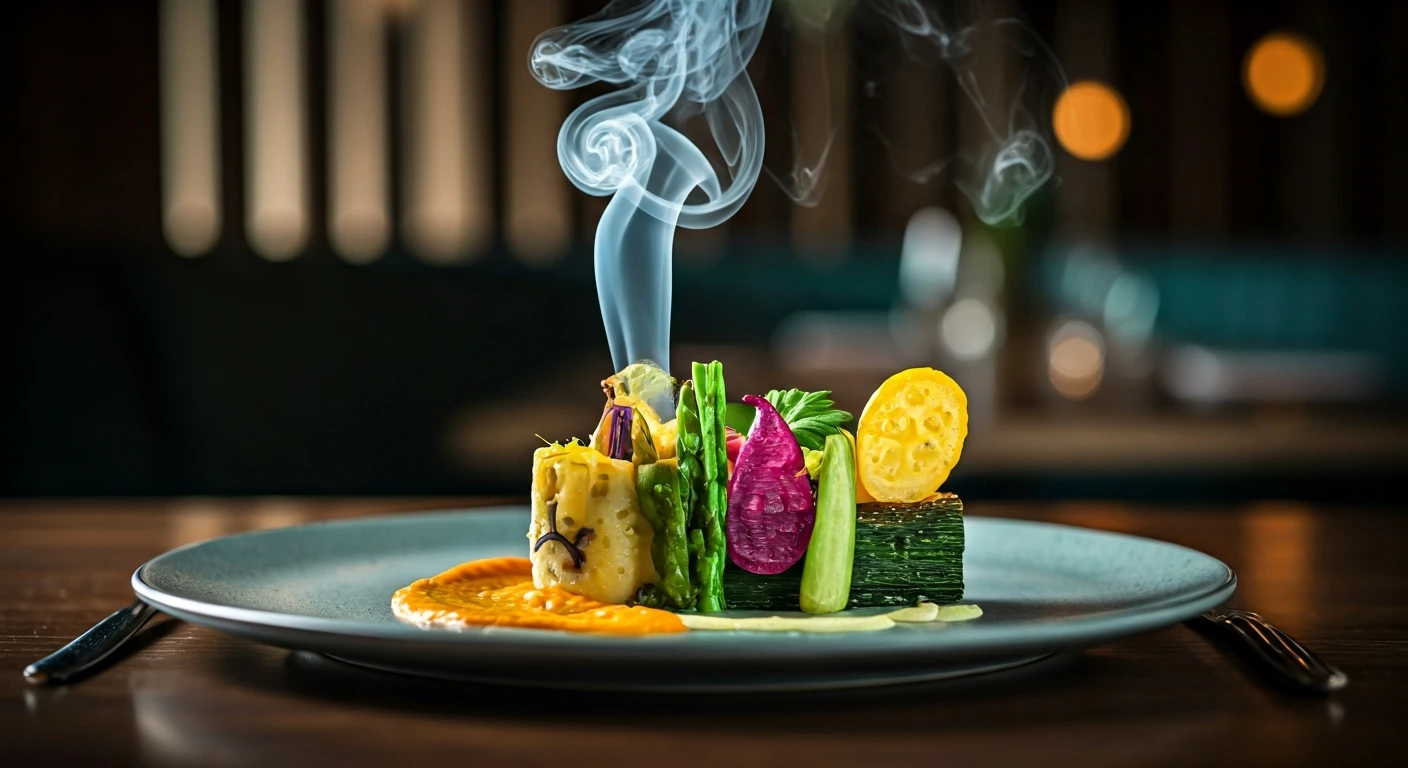
Walk through the hip enclaves of Delhi today, from the artsy lanes of Hauz Khas Village to the upscale eateries in Khan Market, and you’ll find jackfruit in starring roles it never dreamed of. The culinary vanguard of the city is slicing, dicing, and shredding it into entirely new forms. We're talking crispy jackfruit tacos with spicy salsa, jackfruit birria that sizzles on the griddle, and pulled ‘kathal’ sliders slathered in barbecue sauce and tucked into soft brioche buns. These aren't just vegetarian options; they are menu headliners. Innovative chefs are leveraging the fruit's neutral flavor profile and unique texture, treating it as a blank canvas for global flavors. By pairing a hyperlocal, traditional ingredient with international formats, they've created something that feels both authentically Indian and globally current.
Why Now? A Perfect Culinary Storm
So why the sudden glow-up? This trend sits at the crossroads of several major shifts. Firstly, the global wellness and plant-based movements have undeniably made their way to India’s urban centers. A growing number of young, health-conscious Indians are actively seeking out sophisticated vegetarian and vegan dining options that go beyond the standard paneer dish. Secondly, there’s the Instagram effect. A plate of vibrant jackfruit tacos is simply more photogenic and shareable than a traditional bowl of curry. Finally, it represents a new confidence in local Indian produce. Instead of importing quinoa and kale, savvy chefs are looking inward, realizing the incredible potential of ingredients that have been in their backyards all along. This isn't just about copying a Western trend; it's about reinterpreting it with local pride and making it their own.