








The Green Revolution on a Balcony
In Kerala, a state known to travelers as “God’s Own Country” for its lush landscapes and winding backwaters, a quiet but powerful movement is taking root—literally. From dense urban centers like Kochi to smaller towns, residents are converting whatever
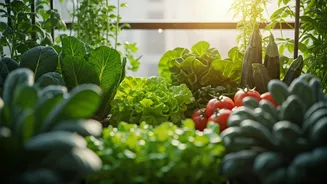
space they can find into miniature farms. Rooftops, apartment balconies, and tiny backyard plots are bursting with vegetables like chilies, bitter gourd, okra, and spinach. This isn't just a niche hobby for a few enthusiasts; it's a widespread cultural phenomenon, enthusiastically documented and shared across local WhatsApp groups and Facebook feeds. Photos of a child holding the family’s first home-grown pumpkin or a neighbor proudly displaying a basket of pesticide-free produce have become a defining feature of the region’s digital landscape, representing a grassroots push for food security and self-sufficiency.
A Mix of Government Push and Public Pull
This gardening boom isn’t an accident. It’s the result of a concerted effort by Kerala’s state government, which has long been known for its high literacy rates and robust social programs. Through agricultural offices known as Krishi Bhavans, the state has actively encouraged home cultivation by distributing free or heavily subsidized seeds and saplings. The goal is twofold: reduce the state’s reliance on vegetables trucked in from neighboring regions, which are often subject to price volatility and pesticide concerns, and foster a culture of food self-sufficiency. This initiative gained significant momentum during and after the COVID-19 pandemic, when global supply chain disruptions made the benefits of local food production starkly clear. The state’s campaign for a “pesticide-free Onam”—referring to the region’s largest harvest festival—further galvanized communities to grow their own vegetables for the traditional feast.
Technology as a Digital Trellis
While government support provided the seeds, social media provided the trellis on which the movement could grow. In a state with some of the highest rates of internet penetration in India, digital platforms became virtual community gardens. Novice gardeners turn to dedicated Facebook groups to troubleshoot a wilting plant or identify a pest. Experienced growers use WhatsApp to share tips on organic fertilizers or announce they have extra saplings to give away. This digital ecosystem creates a powerful feedback loop. Success stories shared online inspire others to start their own gardens, while the constant flow of information and encouragement helps them succeed. It has transformed a solitary activity into a collective, community-building exercise, proving that technology can be a powerful tool for fostering real-world connection and resilience.
Why This Matters Beyond Kerala
For an American audience accustomed to long supermarket aisles, the Kerala story may seem like a distant curiosity. But its core themes are universal. The movement mirrors the “Victory Garden” campaigns of World War II, which called on civilians to grow food to support the war effort and guard against shortages. More recently, it echoes the sourdough-baking and home-gardening crazes that swept the U.S. during the pandemic lockdowns, reflecting a deep-seated human desire for self-reliance and a connection to what we eat. The Keralite experience offers a compelling model of how government policy, community action, and modern technology can intersect to build a more resilient and sustainable local food system. It’s a powerful reminder that some of the most effective solutions to big problems—food security, community health, environmental sustainability—can start small, even in a pot on a balcony.