






The Rise of the 'Cool-Cation'
Forget sizzling on a crowded beach. The new aspirational trip for many heat-fatigued travelers involves packing a sweater. The concept is simple: instead of flying toward the equator for summer break, they’re heading to destinations where the average
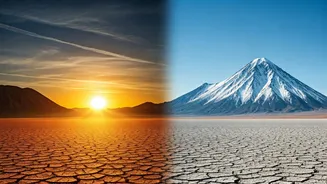
high stays comfortably below 68°F (20°C). This isn't just about avoiding a little discomfort; it’s a direct response to summers that are becoming dangerously and oppressively hot. Travel industry analysts have noted a significant uptick in searches and bookings for traditionally cooler climates during June, July, and August. People are craving crisp air, outdoor activities that don’t require a pre-dawn start, and the simple luxury of sleeping under a duvet. It’s a pragmatic shift, recasting the ideal vacation from a sun-drenched escape to a cool-headed retreat.
Alaska: The Great American Escape
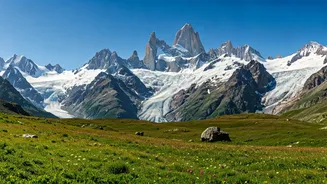
For Americans wanting to stay domestic, Alaska has become the undisputed king of the cool-cation. While the rest of the country is battling humidity and triple-digit heat, southeastern Alaska is often hovering in the pleasant 60s. A cruise through the Inside Passage or a land-based tour offers a stunning visual antidote to parched landscapes back home: towering glaciers, lush green forests, and abundant wildlife. The appeal is visceral. You can go for a hike without feeling like you’re melting, enjoy a cup of coffee on a brisk morning, and watch whales breach in chilly waters. It’s a complete sensory reset from the sweltering heat, making it the ultimate form of climate revenge.
Scandinavia: Urban Cool and Natural Wonders
Copenhagen, Stockholm, and Oslo are emerging as summer hotspots precisely because they’re not hot. These cities offer a perfect blend of world-class culture, food, and design, all explorable in temperatures that rarely require more than a light jacket. You can stroll through historic streets, enjoy a waterside meal, or bike through city parks without breaking a sweat. Beyond the cities, the fjords of Norway, the archipelagos of Sweden, and the forests of Finland offer breathtaking natural playgrounds. The long daylight hours of the Nordic summer mean more time for adventure in a climate that energizes rather than drains, making it an increasingly popular choice for Americans looking to trade heat exhaustion for invigorating exploration.
The British Isles: Green and Pleasant Lands
Scotland and Ireland have long been loved for their dramatic landscapes and rich history, but their famously moody and mild weather is now one of their biggest selling points for summer travelers. Imagine trading a heat advisory for a misty morning drive through the Scottish Highlands or a coastal walk along Ireland’s Wild Atlantic Way where the sea spray cools your face. A day that maxes out at 65°F is considered a beautiful summer day here. This allows for full days of sightseeing, from exploring ancient castles to settling into a cozy pub, without the physical toll of extreme heat. It’s a vacation that feels restorative, not draining.
Canada's Rockies: Alpine Air and Azure Lakes
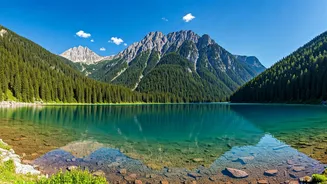
Just over the border, the Canadian Rockies in Alberta offer an accessible and awe-inspiring escape. National parks like Banff and Jasper are magnets for those seeking majestic mountain scenery and refreshingly cool alpine air. While a heatwave might be baking the plains just a few hours east, temperatures in the mountains remain ideal for hiking, kayaking on impossibly blue glacial lakes, and wildlife spotting. The experience is about embracing the grandeur of nature in a climate that allows you to be fully present and active. For travelers in the western and midwestern U.S., it’s a relatively short flight to a world that feels a million miles away from the oppressive summer heat.