
The Queen of Hills, Veiled in Mist
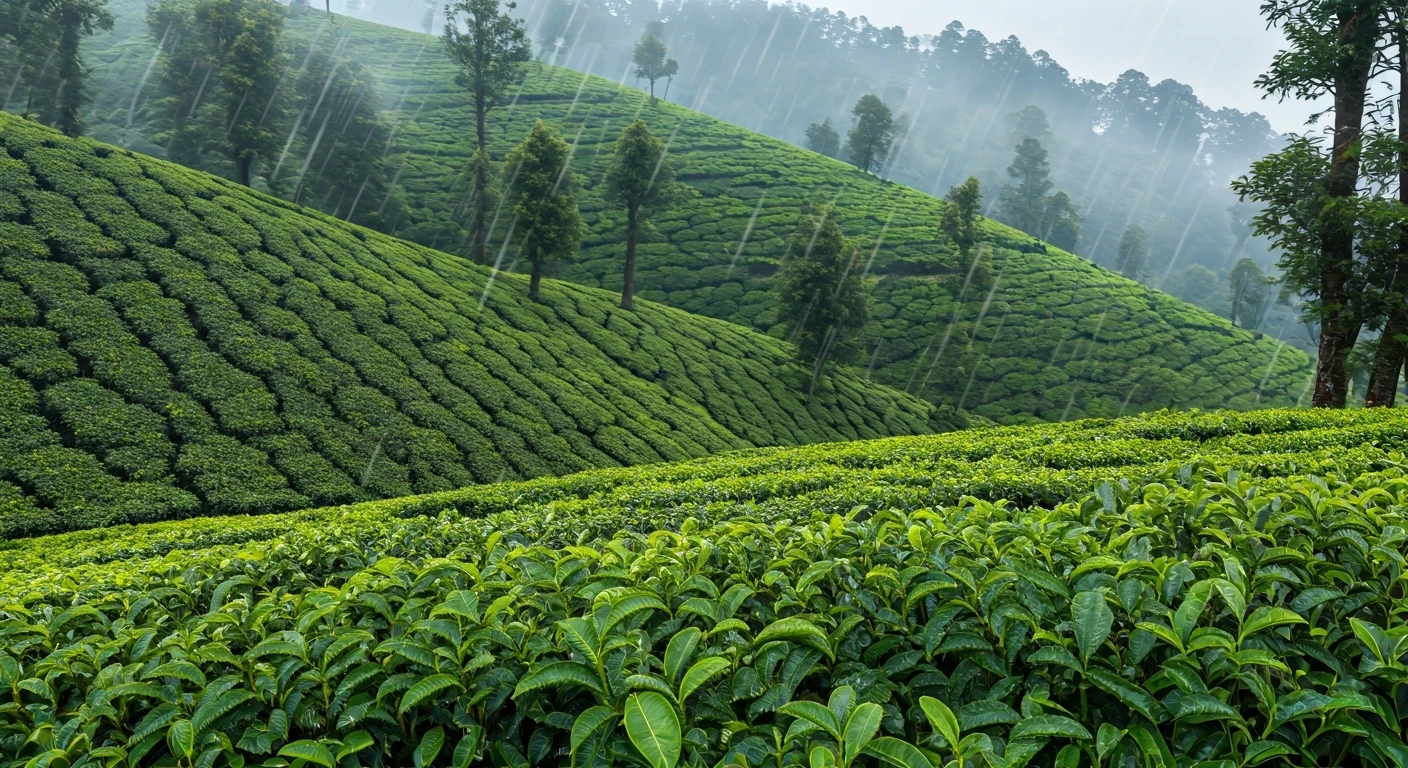
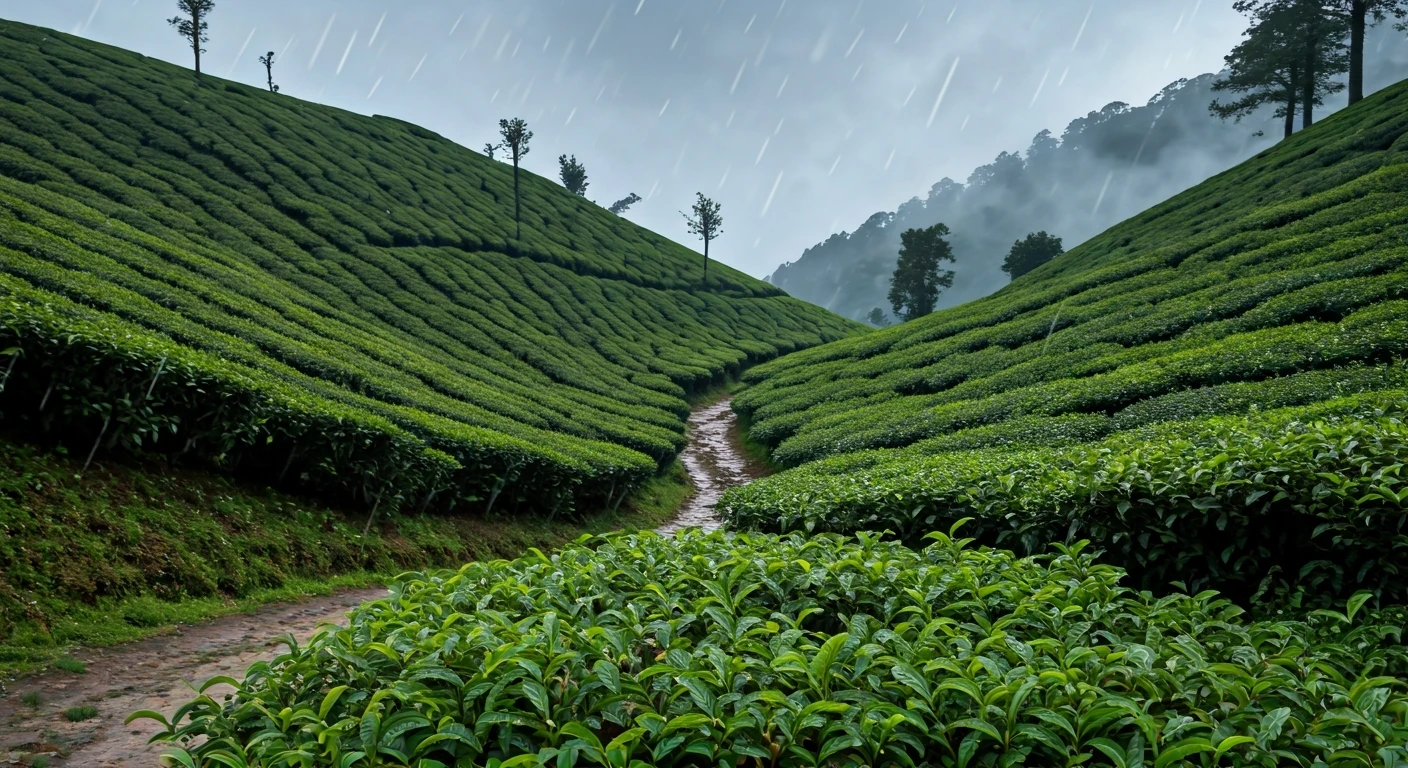
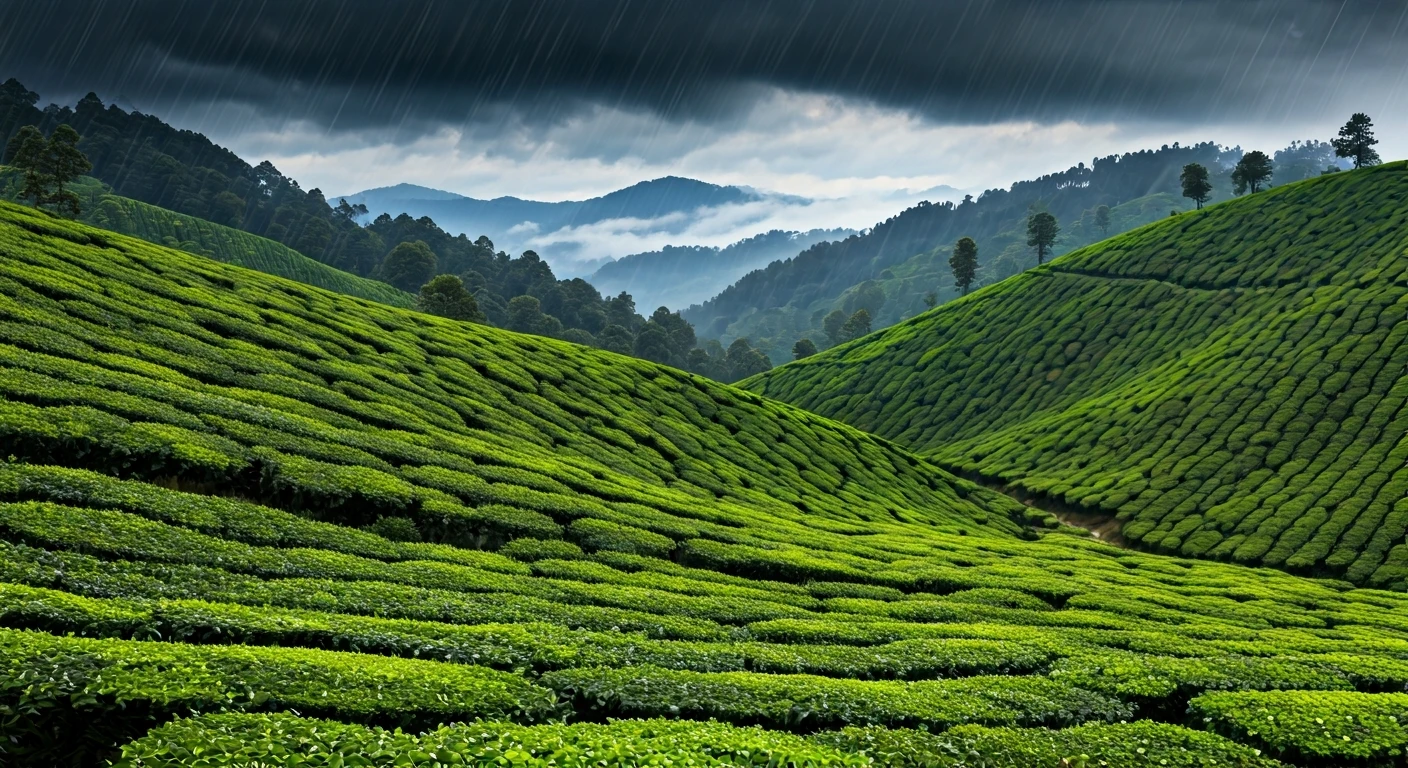
Forget the postcard images of crisp, sun-drenched Himalayan peaks. June in Darjeeling offers something far more atmospheric. This is the start of the monsoon, when the ‘Queen of the Hills’ trades sharp vistas for a soft-focus dreamscape. Clouds descend
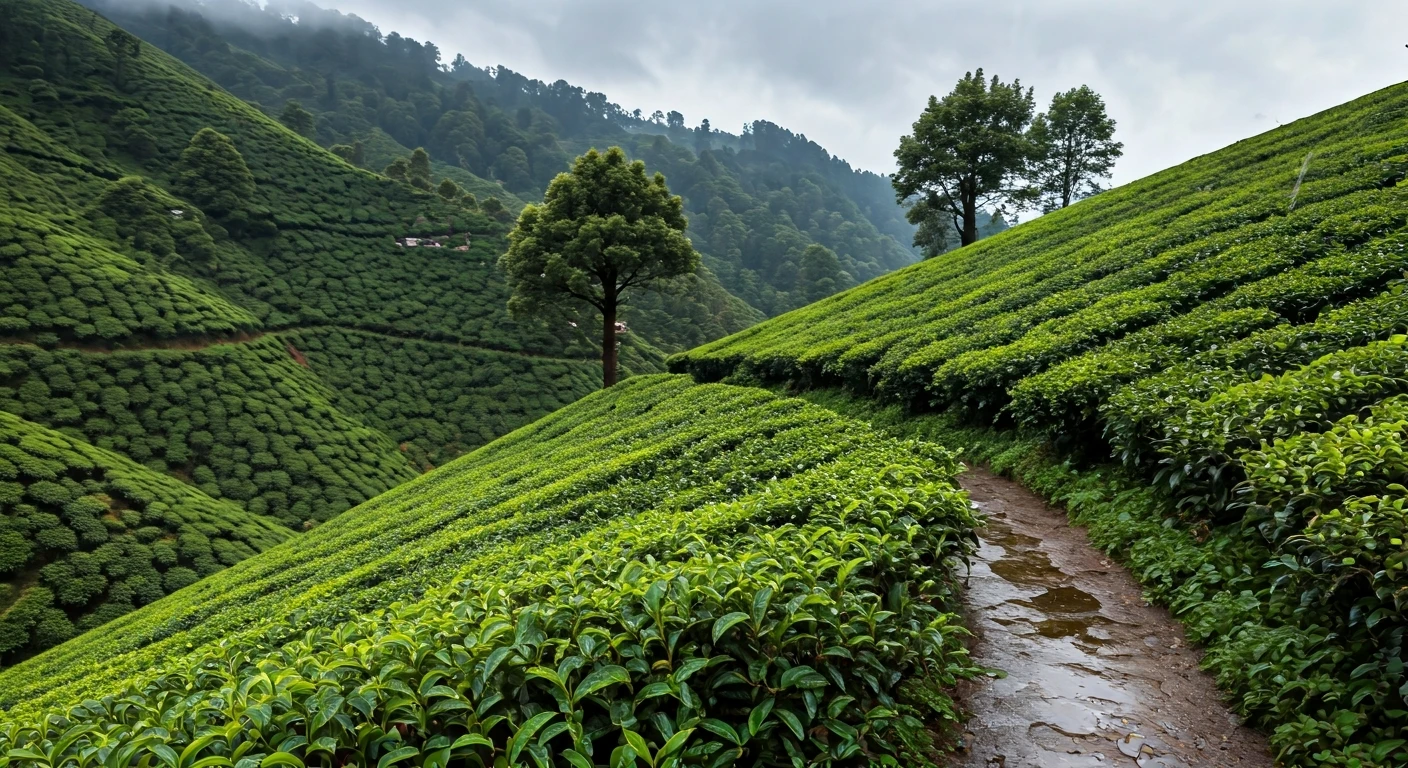
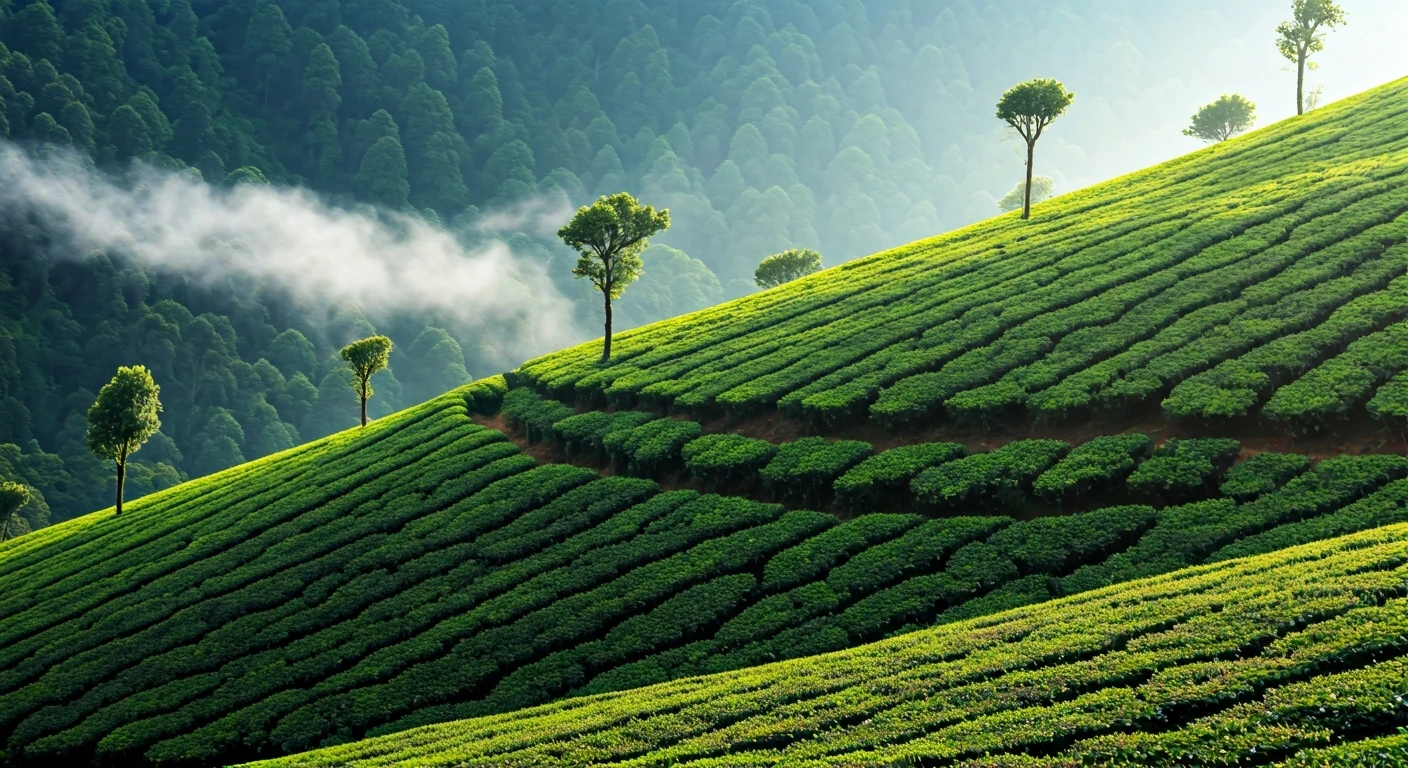
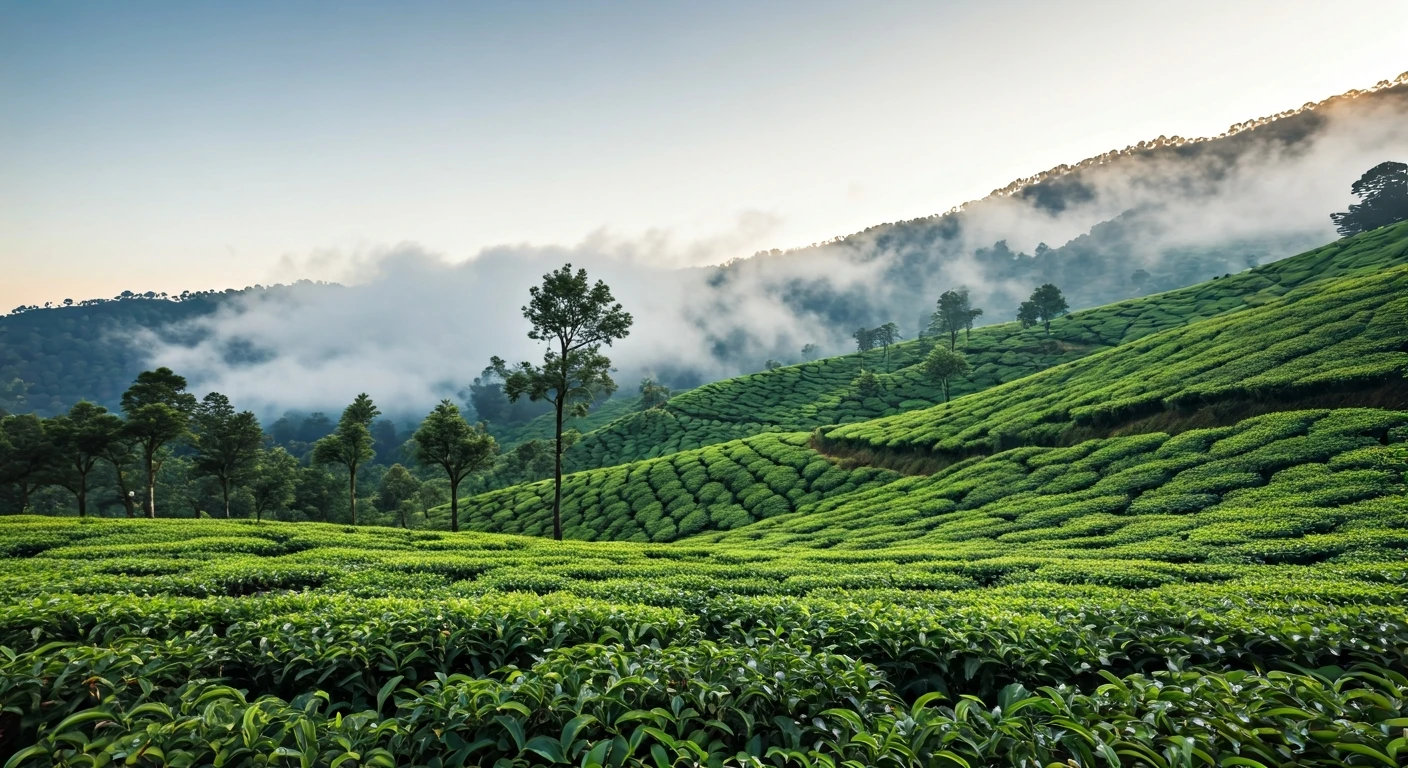
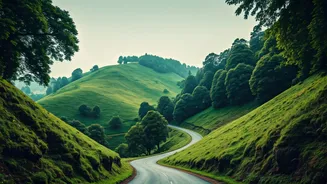
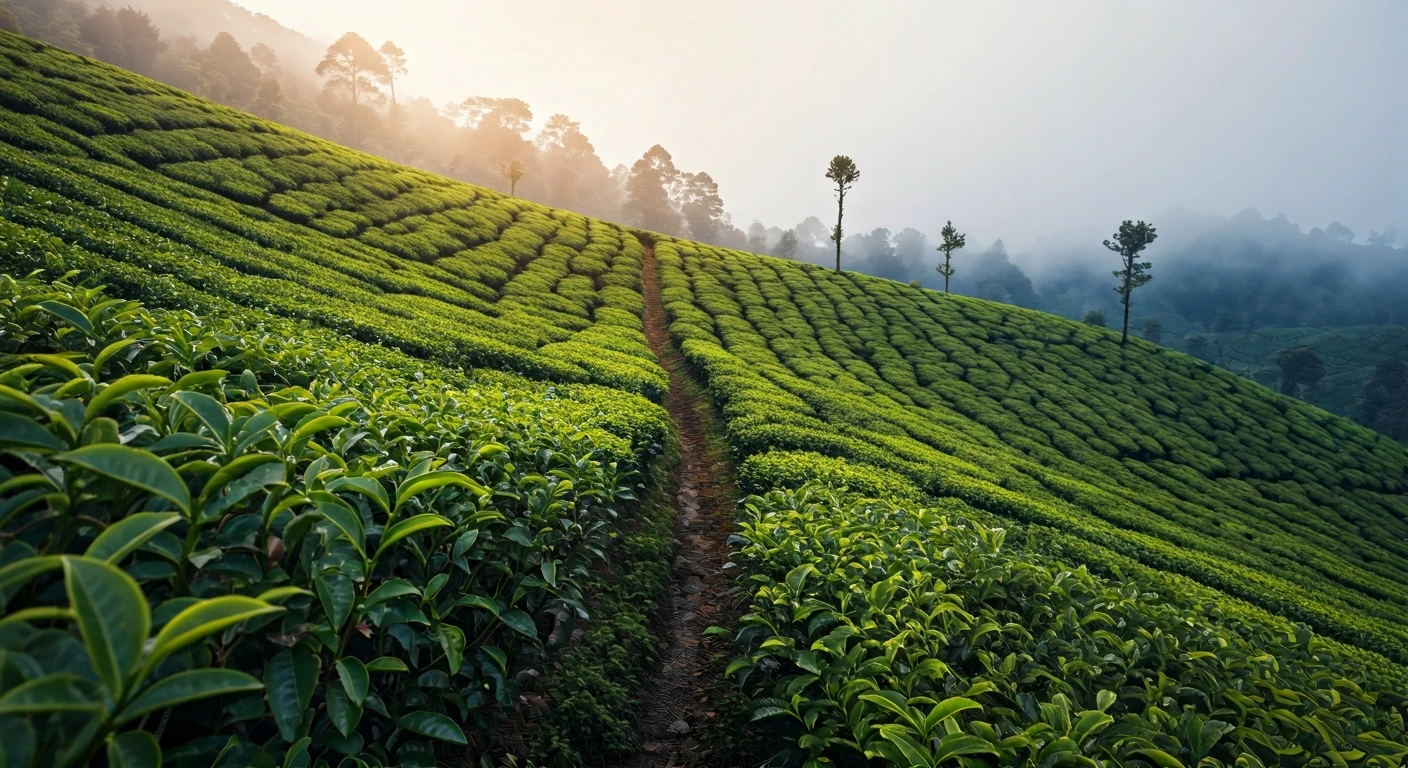
to wander through the streets, clinging to the eaves of colonial-era bungalows and weaving through towering pine forests. The world shrinks to an intimate, mysterious bubble. The constant drizzle doesn't dampen the town; it washes it clean, leaving the terraced tea gardens a shocking, vibrant green and the air smelling of wet earth, woodsmoke, and brewing tea. It’s a setting that feels less like a tourist destination and more like a scene from a classic novel, waiting for its main character to appear.
A Legacy on Narrow-Gauge Rails
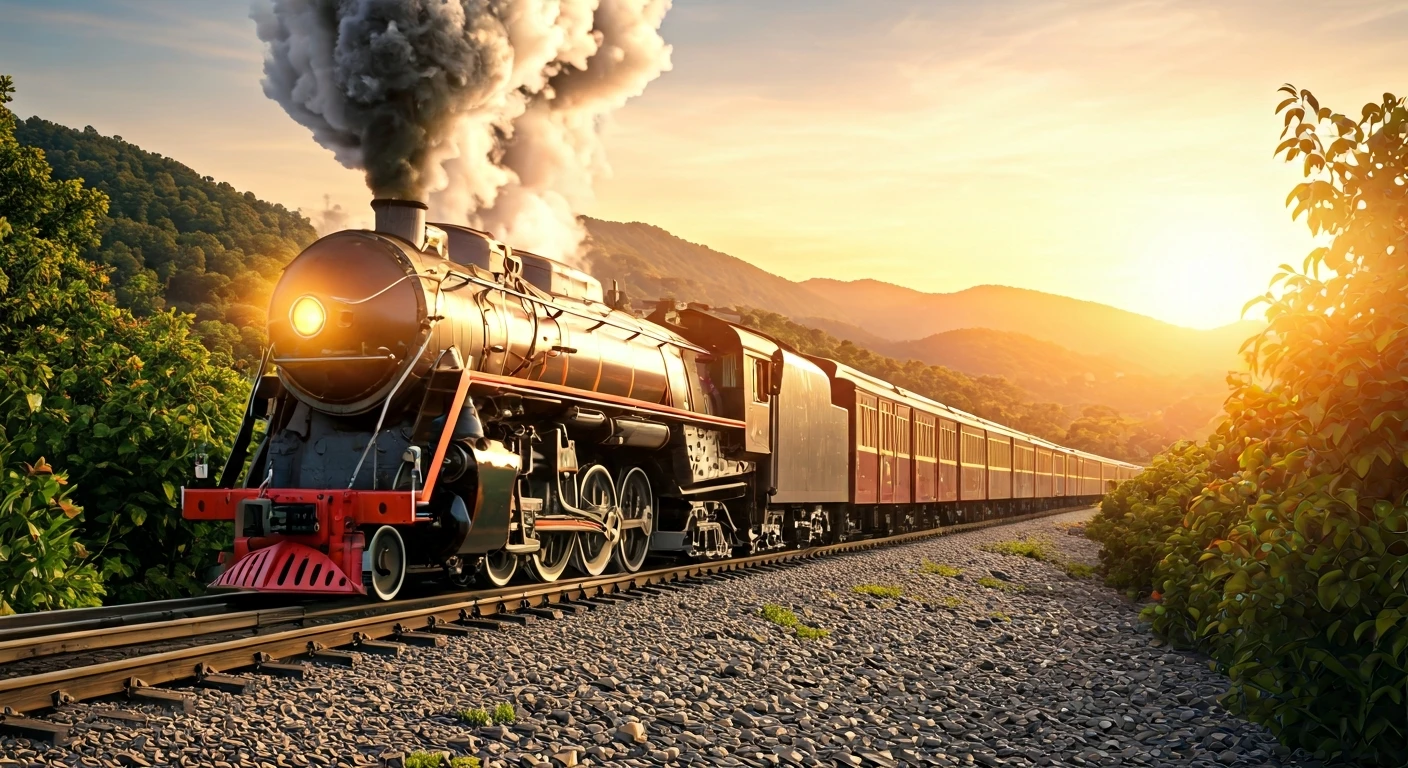
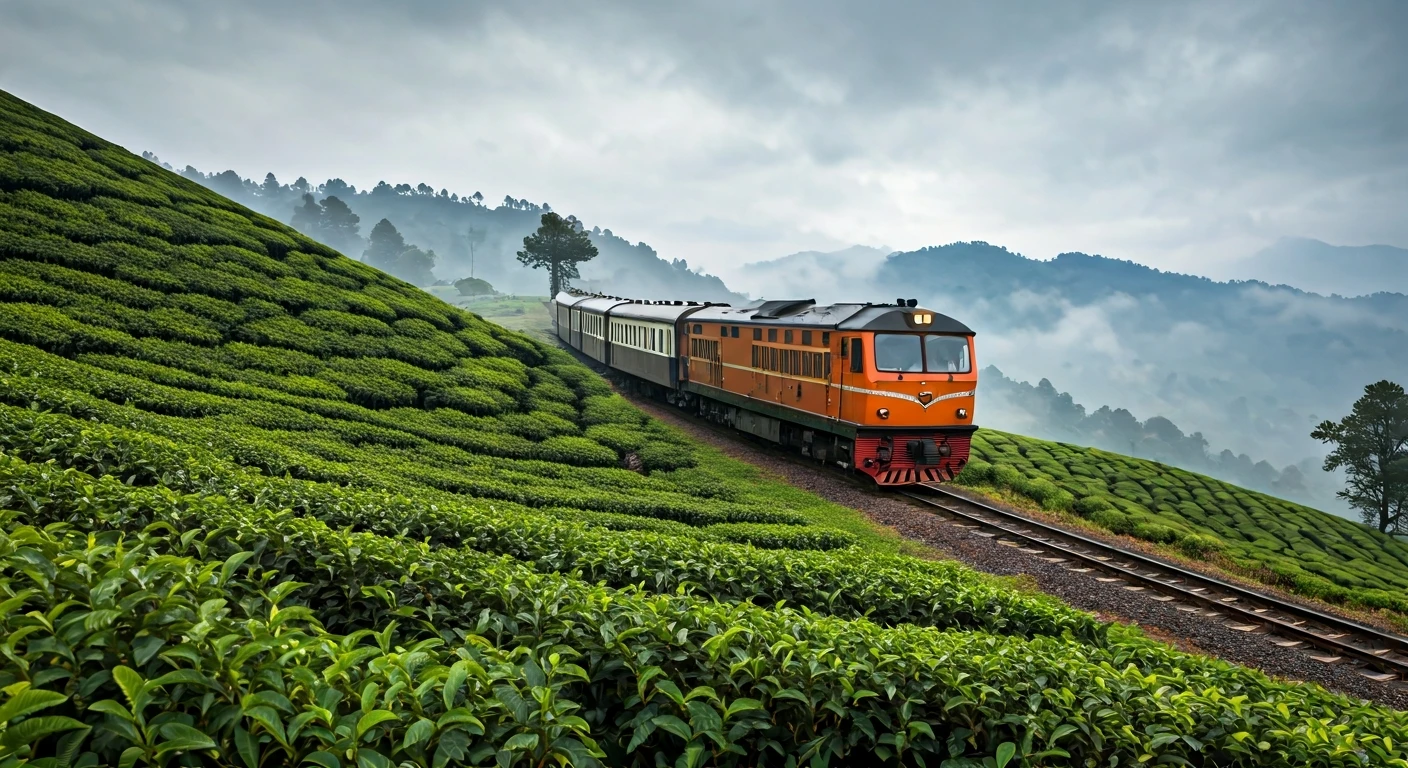
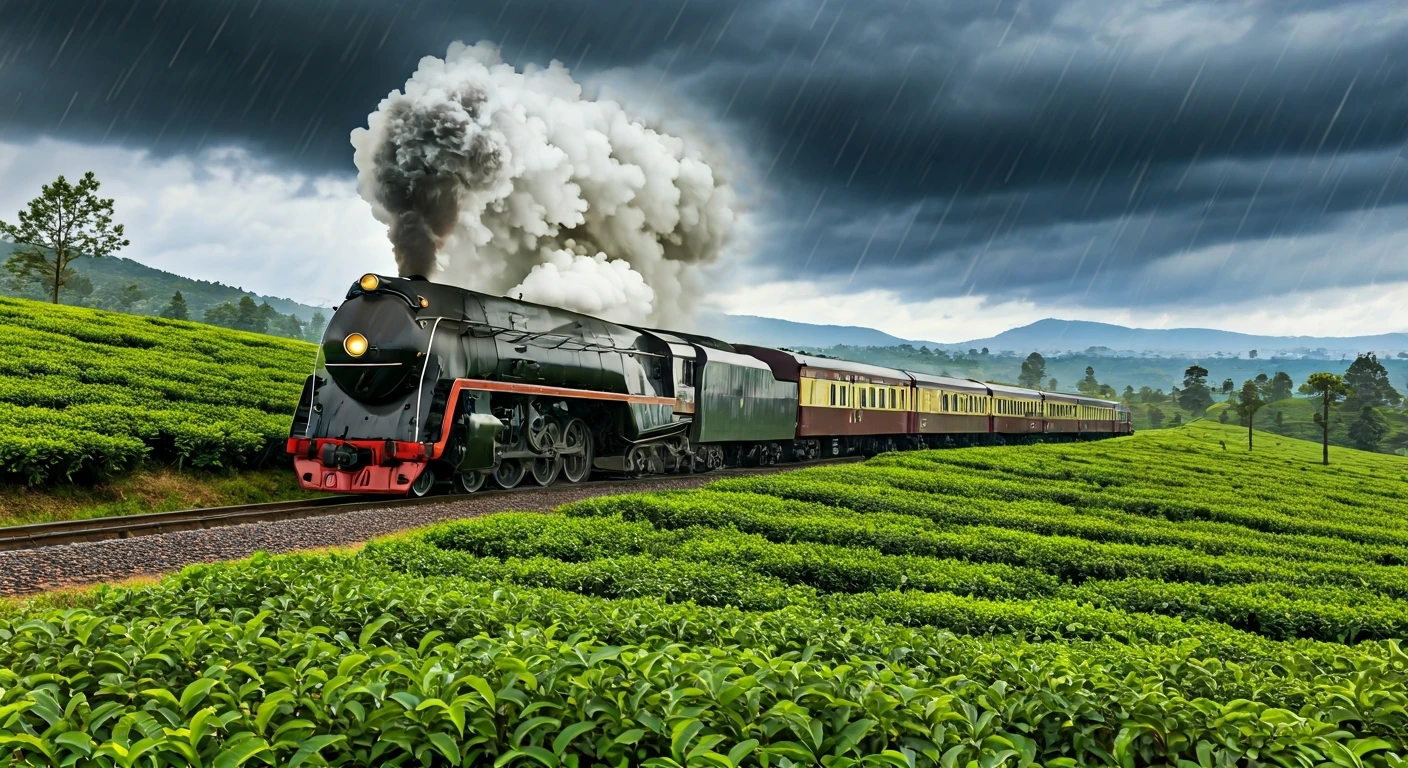
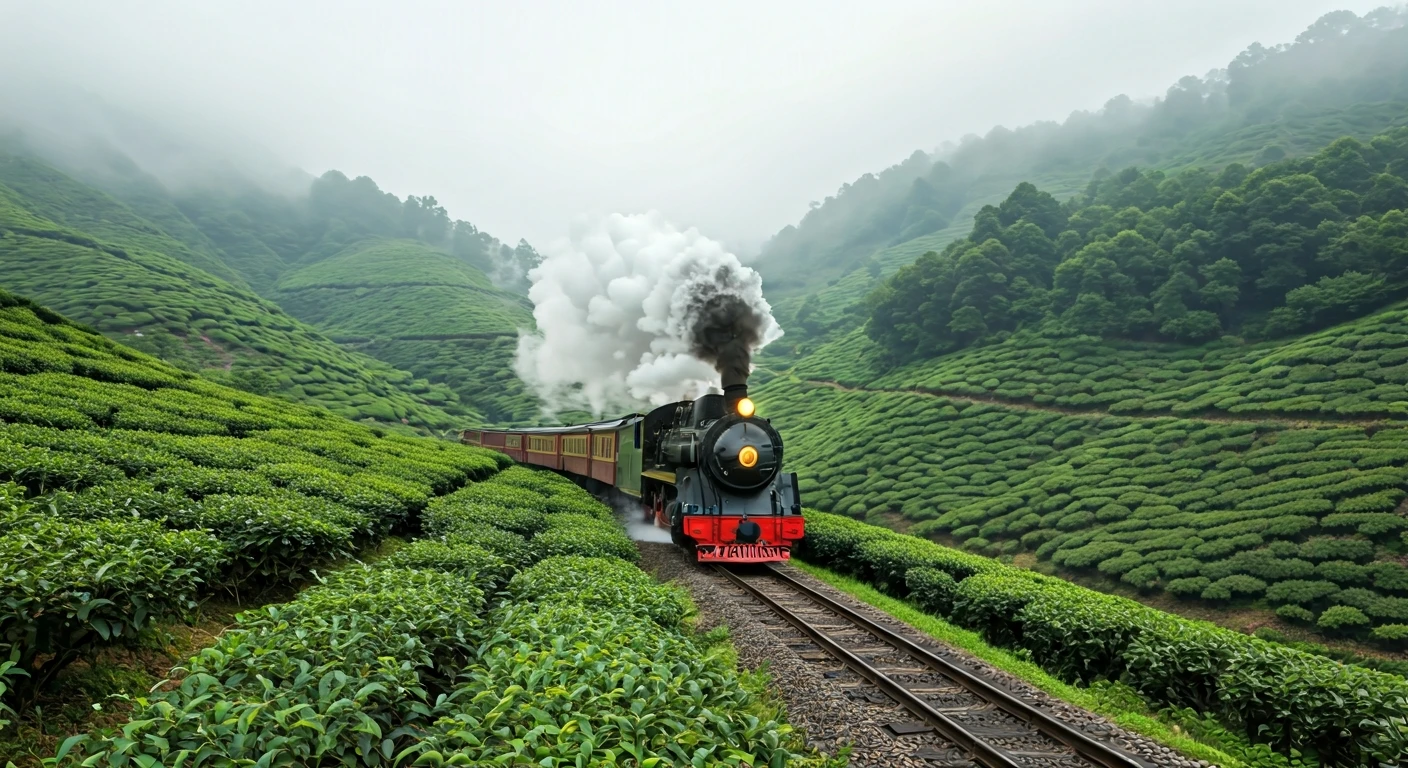
That character is, invariably, the Darjeeling Himalayan Railway. Affectionately nicknamed the ‘Toy Train,’ this is no mere tourist gimmick. It’s a functioning, breathing piece of history, a UNESCO World Heritage site that has been chugging along these impossible slopes since 1881. Conceived by the British to ferry colonists and supplies up from the sweltering plains, the railway is an engineering marvel of its time. Built on a narrow two-foot gauge, its tiny tracks snake through dense forests, cling to cliff edges, and even run down the center of town streets, forcing cars and pedestrians to make way for its slow, steady progress. To ride it is to participate in a 140-year-old tradition, powered by vintage steam and diesel engines that are themselves museum pieces brought to life.
The Charm of the Journey
Boarding the train at Ghum—India's highest railway station—is a step back in time. The carriages are small and charmingly unpretentious, with large windows designed for one purpose: to frame the world outside. As the engine lets out a puff of steam and a shriek from its whistle, the journey begins at a pace that can only be described as ‘leisurely.’ You move so slowly you could almost step off and pick a flower before hopping back on. This isn't about speed; it's about immersion. The train makes its way toward Darjeeling, passing through the famous Batasia Loop, an ingenious spiral that allows the train to handle a steep descent. Here, it circles a serene war memorial and gardens, offering a 360-degree view of the misty landscape. On a clear day, you might see the mighty Kanchenjunga peak; in June, you see an ethereal world of clouds and fog, which is arguably just as magical.
A Slow-Motion View of Life
As the train clatters through small villages and past bustling markets, you become part of the local scenery. Schoolchildren in crisp uniforms wave from the tracks, shopkeepers pause their work to watch the train pass, and the scent of momos and curries drifts in through the open windows. Unlike the detached experience of a modern express train, the Toy Train is woven into the fabric of daily life. It offers an unfiltered, slow-motion view of the Himalayan foothills. You see the intricate patterns of the tea plantations, where workers pluck leaves by hand, their figures partially obscured by the mist. You hear the chatter of a world that moves at a human pace, a rhythm dictated by seasons and tradition rather than schedules and deadlines. This is the heart of its nostalgic appeal—it reconnects you to a simpler, more deliberate way of moving through the world.