






First, What Is 'Desi Cabbage'?
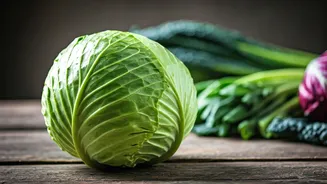
Let's clear this up first. While there are specific regional cabbage varieties in South Asia, when Americans talk about "Desi cabbage," they're usually referring to the simple, humble, and widely available green or white cabbage. The 'Desi' part isn't
about the specific seed as much as the culinary context—the vast and brilliant tradition of South Asian cooking that elevates this simple vegetable into a star. It’s the cabbage used in everything from crunchy slaws and pickles to iconic dishes like *bandh gobi ki sabzi* (a spiced cabbage stir-fry). It’s not an exotic, hard-to-find import; it's the familiar, affordable head of cabbage you’ve been walking past your whole life, just waiting to be seen through a new, more flavorful lens.
The Undeniable Economic Advantage
This is where cabbage delivers its first knockout punch. Walk into any U.S. supermarket and compare the prices. A large, dense head of green cabbage, which can provide multiple meals for a family, often costs less than a single, small bunch of imported asparagus or a clamshell of 'premium' baby kale. While those trendy greens can run you $4 to $7 per pound, cabbage often sits comfortably below $1 per pound. This isn't a small difference; it's a monumental shift in grocery spending. Choosing cabbage means you can load up on a healthy, filling vegetable without flinching at the checkout counter. It’s the ultimate budget-friendly choice for anyone looking to eat well without breaking the bank.
A Low-Key Nutritional Powerhouse
Kale and spinach may get the 'superfood' headlines for their high levels of certain vitamins, but don't underestimate the cabbage. It's packed with Vitamin C (great for your immune system) and Vitamin K (essential for bone health and blood clotting). It's also a fantastic source of dietary fiber, which aids digestion and helps you feel full. While kale has more Vitamin A, cabbage offers a formidable nutritional profile for a fraction of the cost. More importantly, it's a cruciferous vegetable, part of the same family as broccoli and cauliflower, which are celebrated for their health-promoting compounds. When you consider nutrition-per-dollar, cabbage is one of the wisest investments you can make in the produce section.
The Ultimate Kitchen Chameleon
Versatility is where cabbage truly shines and leaves many other greens in the dust. Think about it. You can eat it raw, finely shredded for a crisp, refreshing slaw. You can stir-fry it with spices until it becomes tender and sweet. You can braise it slowly, stuff its leaves to make rolls, ferment it into kimchi or sauerkraut, or add it to soups and stews for bulk and flavor. Some greens, like asparagus, have a very specific flavor and texture profile, limiting their use. Cabbage, however, is a blank canvas. It can be the star of the show or a humble supporting actor, absorbing the flavors of whatever you cook it with. This adaptability makes it a daily driver in the kitchen, unlike its more finicky and expensive counterparts.
A Quieter, More Sustainable Choice
Your food choices have an environmental impact, and here again, cabbage performs admirably. Cabbage is a hardy, robust crop that can be grown in diverse climates across the United States. It stores exceptionally well, reducing food waste and meaning you can buy a head and use it over a week or two without it wilting. Contrast this with delicate greens or out-of-season vegetables that are often flown thousands of miles, refrigerated, and packaged in plastic, all contributing to a larger carbon footprint. Choosing locally grown cabbage is a small but meaningful way to support a more sustainable food system. It’s a vegetable that's as kind to the planet as it is to your wallet.