
From the Gym Bag to the Grocery Cart
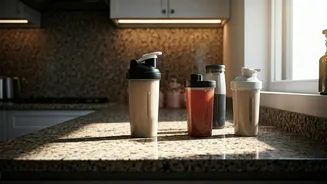
Not long ago, protein supplements were a niche product with a distinct image: giant tubs of chalky powder, shaker bottles rattling with mysterious lumps, and a target audience of serious bodybuilders. The taste was often an afterthought, a necessary evil
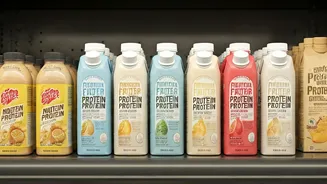
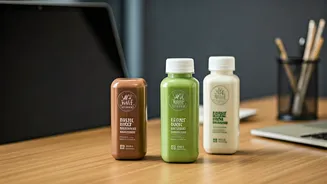
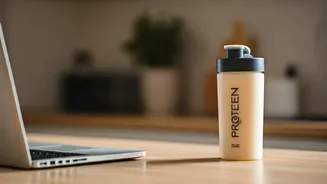
on the path to building muscle. Today, that world is almost unrecognizable. The ready-to-drink (RTD) protein shake has gone fully mainstream, colonizing refrigerator aisles in grocery stores, convenience stores, and even vending machines. The new consumer isn't just a weightlifter. It’s a busy mom looking for a quick breakfast, a student grabbing a study snack, an office worker trying to avoid a 3 p.m. slump, and an older adult aiming to maintain muscle mass. These drinks have shed their intimidating, hyper-masculine image in favor of friendly packaging and dessert-like flavors such as Café Latte, Chocolate Peanut Butter, and Salted Caramel. This shift represents a fundamental change in how Americans think about nutrition, convenience, and what constitutes a “snack.”
The Triple Threat: Convenience, Wellness, and Marketing
So why is this happening now? The boom is fueled by a perfect storm of cultural and lifestyle trends. First and foremost is convenience. The traditional three-meals-a-day structure is eroding, replaced by a culture of “snackification” where busy Americans eat smaller, more frequent meals throughout the day. A 30-gram protein shake is the ultimate grab-and-go solution—no cooking, no chewing, no cleanup. Second is the pervasive wellness movement. Protein has developed a powerful “health halo.” It's widely perceived as the most satiating macronutrient, helping people feel fuller for longer, which appeals to those managing their weight. It's also seen as essential for energy and strength, making it feel like a productive, functional choice. Finally, clever marketing has sealed the deal. Brands have masterfully repositioned these drinks not as intense supplements, but as everyday lifestyle products. They sponsor mainstream podcasts, collaborate with accessible influencers, and use language centered on energy and vitality rather than “getting huge.” They made protein feel like an act of self-care.
A Dietitian Weighs In: Healthy Habit or Processed Hype?
With their soaring popularity, the inevitable question arises: are these drinks actually good for you? The answer, according to most nutrition experts, is complicated. On the plus side, they can be a genuinely useful tool. For athletes, a shake is an efficient way to get protein for muscle repair after a workout. For older adults at risk of muscle loss (sarcopenia) or individuals with low appetites, they offer an easy way to boost protein intake. However, dietitians caution against making them a cornerstone of your diet. Many RTD shakes are ultra-processed foods, containing a long list of additives, artificial sweeteners, gums, and stabilizers to achieve their taste and shelf stability. Some also contain surprisingly high amounts of sugar. The expert consensus remains “food first.” A shake can’t replicate the complex array of fiber, vitamins, minerals, and phytonutrients found in whole foods like Greek yogurt, lentils, chicken, or eggs. They’re a convenient supplement, but not a true replacement for a balanced meal.
The Brands Behind the Boom
This tidal wave of protein consumption isn't happening by accident; it’s being driven by a few dominant players who cracked the code for mass appeal. Premier Protein, with its ubiquitous cartons and wide flavor range, became a Costco sensation, its affordability and taste making it an easy entry point for new consumers. Then there’s Fairlife, a brand owned by The Coca-Cola Company—a clear signal that Big Soda sees a massive future in functional dairy. Fairlife’s Core Power line, known for its smooth texture derived from ultra-filtered milk, has become a viral hit. The scarcity of these products has even fueled the hype, with TikToks showing shoppers on “the hunt” for a stocked shelf. By focusing on taste and a creamy, milkshake-like experience, these brands transformed protein from a chore into a treat, effectively creating a new category of beverage that blurs the lines between a healthy snack, a meal replacement, and a guilt-free dessert.