
First, What Is Poha?
Before diving into the emotions, let’s talk about the rice. Poha isn't a grain you cook like regular rice. It’s made by parboiling rice, flattening it into thin, papery flakes, and then drying it. The result is a supremely convenient food that cooks in minutes.
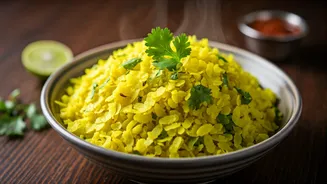
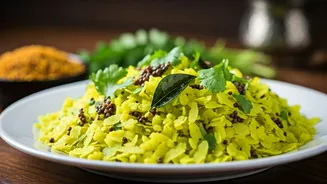
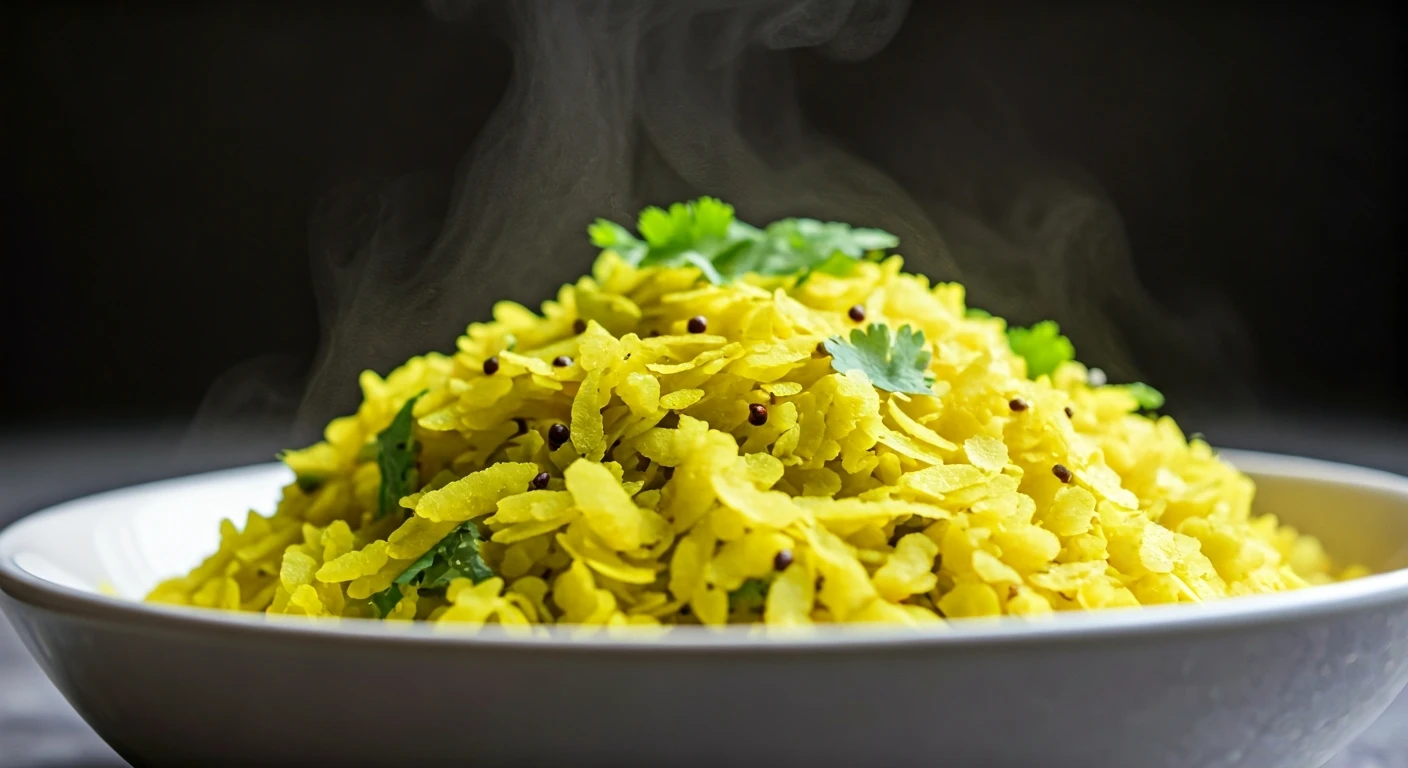
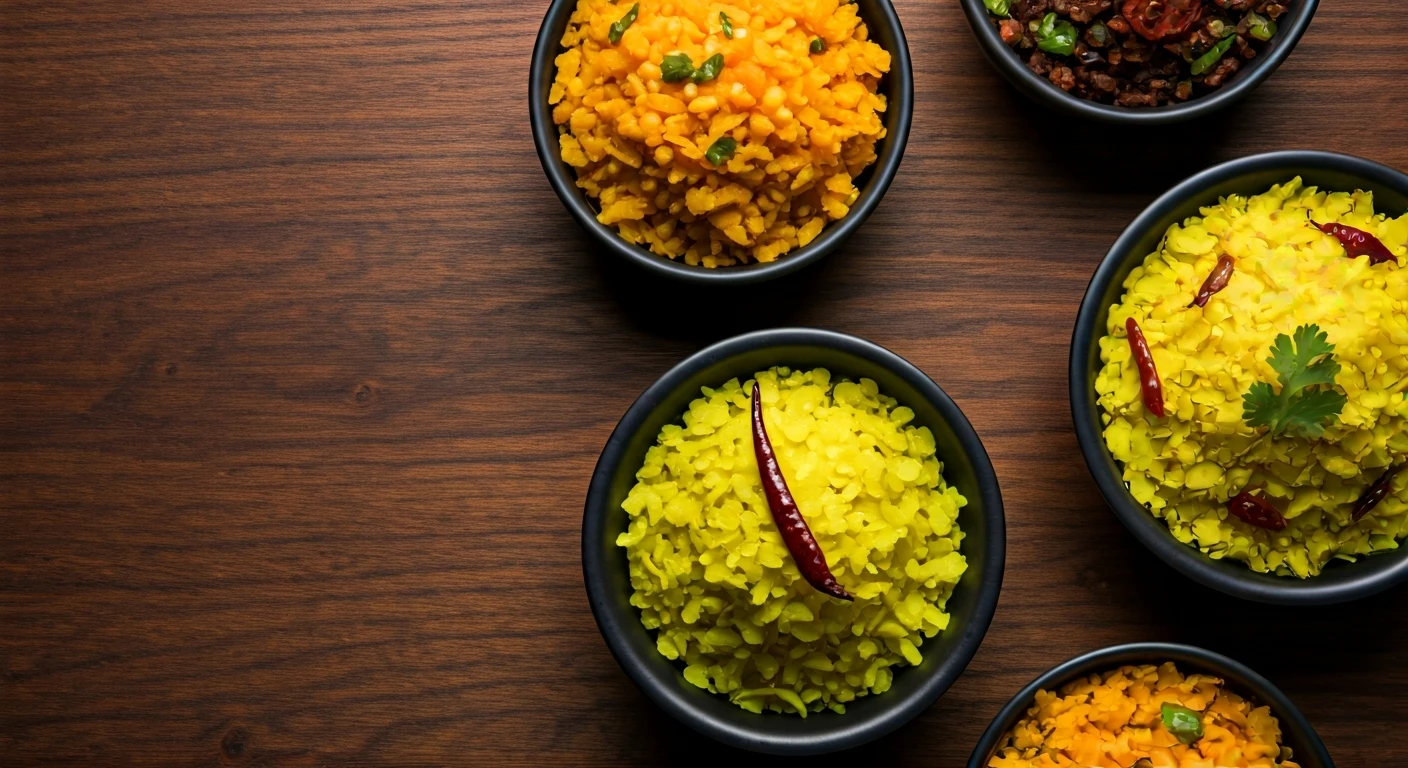
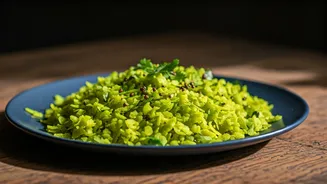
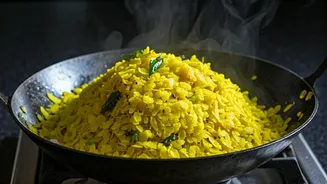
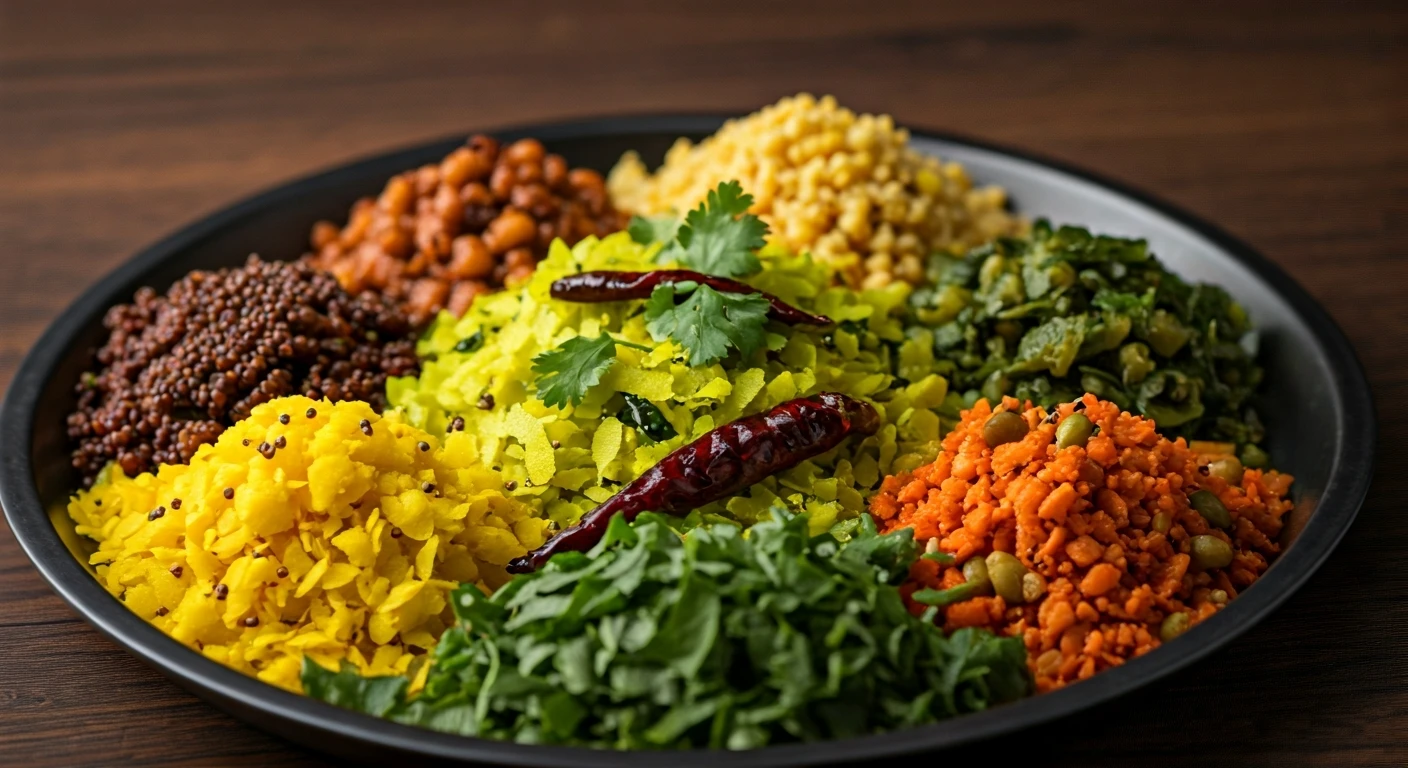
Think of it as the Indian equivalent of rolled oats—quick, versatile, and a perfect canvas for flavor. To prepare it, you don't boil it. Instead, the delicate flakes are briefly rinsed or soaked in water, which rehydrates them into a soft, fluffy texture. From there, the magic begins. The rehydrated poha is typically tossed into a pan with sizzling oil, mustard seeds, turmeric, and a host of other ingredients that vary wildly by region, and even by household.
The Quintessential Indian Breakfast
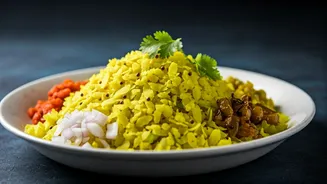
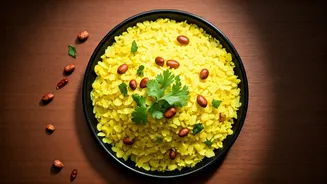
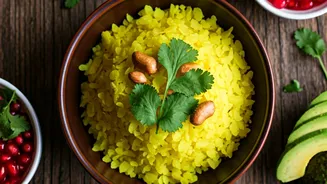
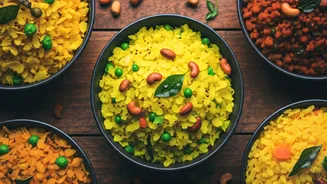
In many parts of India, especially in the western and central states of Maharashtra and Madhya Pradesh, poha is the undisputed king of breakfast. It’s the weekday warrior meal—fast, filling, and endlessly customizable. The most classic preparation is Kanda Poha, where the flattened rice is sautéed with onions (kanda), potatoes, and peanuts, then finished with a squeeze of lime and a garnish of fresh cilantro. It’s a savory, tangy, and slightly sweet symphony in a bowl.
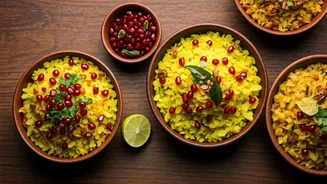
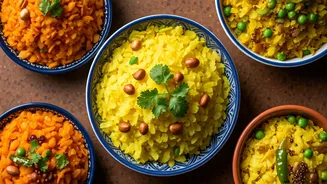
Travel to the city of Indore, and you’ll find a completely different experience. Indori Poha is steamed, not sautéed, giving it a uniquely soft texture. It’s served with a flourish of toppings: crunchy sev (fried chickpea noodles), pomegranate seeds, and a special masala blend called jeeravan, which lends a distinctive, tangy-spicy kick. It’s not just food; it’s street-side performance art and a source of immense local pride.
A Taste of Home
This is where the “big feelings” come in. For millions, poha is not just a recipe; it’s a memory. It’s the smell of a mother’s kitchen on a Saturday morning. It’s the simple, comforting meal shared with family before a busy day. It’s the first thing you crave when you’re sick, and the first thing you ask for when you return home after a long time away.
For the vast Indian diaspora in the United States, that connection becomes even more potent. Making poha is an act of reclamation. In a country where ingredients for complex Indian dishes can be hard to source or time-consuming to prepare, poha is beautifully accessible. A bag of flattened rice from an Indian grocery store, some onions, turmeric, and a lime are all it takes to conjure a powerful taste of home. It’s a culinary anchor, a simple dish that closes the thousands of miles between a new life and an old one with a single, flavorful bite.
So, What's World Poha Day?
Observed on June 7th, World Poha Day is not an ancient festival or a government-declared holiday. It’s a modern, grassroots celebration, born and bred on the internet. It’s a day when social media feeds across India and the diaspora light up with pictures of steaming plates of poha. People share their family recipes, their childhood memories, and their fierce, loving debates over the “correct” way to make it (with or without sugar? Potatoes or no potatoes? The arguments are passionate and endless).
In a way, the informal nature of the day is what makes it so perfect. It reflects the dish itself: unpretentious, democratic, and beloved by all. It’s a collective, digital act of cultural appreciation for a food that has nourished bodies and souls for generations. It’s a testament to the idea that the simplest things—a plate of flattened rice, a shared memory, a feeling of connection—are often the most worthy of celebration.