




The 'Skinification' of Your Scalp
For years, we’ve treated the hair on our heads and the skin on our faces as two separate universes. This trend finally bridges that gap. ‘Skinification’ is the simple but revolutionary idea of treating your scalp with the same care and targeted ingredients
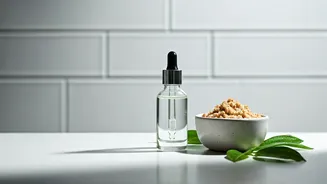
you use in your skincare routine. After all, your scalp is skin, and a healthy scalp is the foundation for healthy hair growth. This means looking for haircare products infused with proven skincare actives. Is your scalp oily and prone to buildup? A clarifying scalp serum with salicylic acid can gently exfoliate and decongest follicles. Feeling dry and tight? A pre-shampoo treatment with hyaluronic acid can provide a surge of hydration. Other popular ingredients making the jump to haircare include niacinamide for balancing oil production and glycolic acid for deeper exfoliation. It’s a move from just washing your hair to actively treating your scalp’s specific needs.
Bond-Building Goes Mainstream
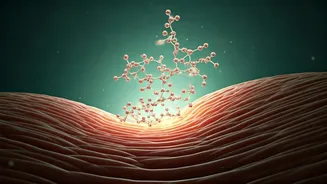
If you’ve ever colored, bleached, or heat-styled your hair, you’re familiar with the damage that can follow: frizz, breakage, and a straw-like texture. This damage occurs when the disulfide bonds that give hair its structure and strength are broken. For a long time, the only real name in the game for repairing these bonds was Olaplex. Now, bond-building technology has become an entire category of its own, with dozens of brands offering masks, leave-in treatments, and shampoos. These products work on a molecular level to relink broken bonds, effectively repairing hair from the inside out. Unlike traditional conditioning masks that just coat the hair shaft to make it feel smoother temporarily, bond-builders offer cumulative, structural repair. This has made them an essential tool not just for salon recovery but for at-home maintenance, helping to keep processed hair resilient, smooth, and far less prone to split ends and snapping.
Strategic 'Hair Cycling'
Just as ‘skin cycling’ took over our nightly routines by promoting a strategic rotation of active ingredients, ‘hair cycling’ is doing the same for our showers. The concept is to alternate your shampoo and conditioner types over the course of a week to address different needs without overwhelming your hair. Instead of using the same moisturizing or volumizing duo every day, you create a schedule. For example, your cycle might look like this: On the first wash day, you use a clarifying shampoo to remove buildup. On the second, you focus on repair with a bond-building or protein treatment. On the third and fourth, you switch to a hydrating or nourishing formula to restore moisture. This targeted approach prevents your hair from getting weighed down by too much protein or moisture, ensuring each product can do its job effectively. It’s a smarter, more intuitive way to wash that delivers better results with the products you already own.
The Rise of 'Liquid Hair'
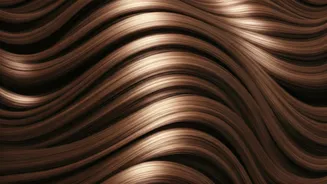
Dominating red carpets and social media feeds, the ‘liquid hair’ trend is all about achieving an ultra-glossy, fluid, and reflective finish that moves like silk. It’s a step beyond simple straightness; the goal is hair that looks so healthy and hydrated it appears to be made of water. While you can get a professional glossing or keratin treatment at a salon for a high-impact version, the trend has spurred a wave of at-home products that make the look more accessible. Look for new-generation lamellar water treatments, which are thin, water-like rinses that activate on contact with wet hair. They deposit a lightweight coating of conditioning agents and amino acids onto the hair cuticle, filling in porous spots and creating a smooth, light-reflective surface in seconds. Shine sprays and serums containing silicones or natural oils also help achieve that frictionless, high-beam finish without weighing the hair down.