



The Allure of the Quick Fix
Walk down the aisle of any health food store or scroll through social media, and you'll be bombarded with promises of a healthier gut in a bottle. The market for probiotics and other digestive supplements is booming, built on the understandable desire
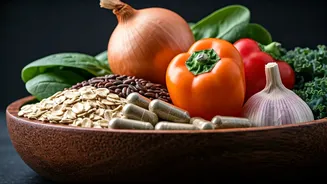
for an easy solution. It feels simple: pop a pill, drink a powder, and fix what’s wrong. While targeted probiotics can be beneficial for specific medical conditions under a doctor's guidance, for the average person looking for a general “upgrade,” they often miss the bigger picture. The gut is not a simple machine that needs a single part replaced; it's a complex, living ecosystem. Pouring one or two strains of bacteria into it and hoping for the best is like trying to regrow a forest by planting a single type of tree. It’s an incomplete strategy.
What Your Gut Actually Craves
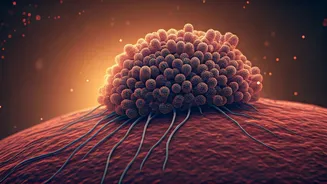
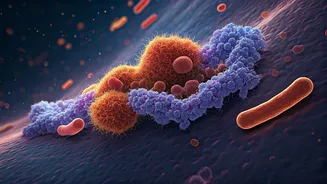
Your gut is home to trillions of microorganisms, collectively known as the microbiome. Think of it as a bustling internal garden. For this garden to flourish, it needs the right kind of nourishment. And what it craves most is diversity and fiber. Specifically, prebiotic fiber, a type of dietary fiber that your body can't digest. Instead, it travels to your lower digestive tract, where it becomes food for the beneficial bacteria. When these microbes feast on fiber, they produce short-chain fatty acids (SCFAs), compounds that have been linked to a host of benefits, including reduced inflammation, a stronger gut barrier, and even improved mood. Pills and processed foods are notoriously low in this essential fuel. They might keep you from feeling hungry, but they are starving the very microbes you’re trying to support.
The Power of the Whole Package
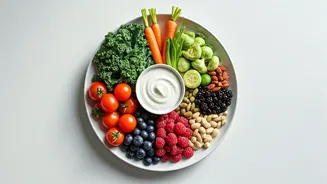
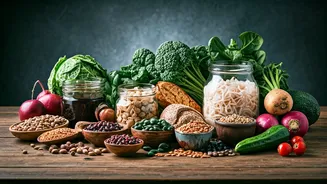
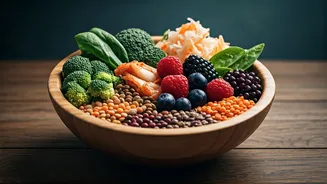
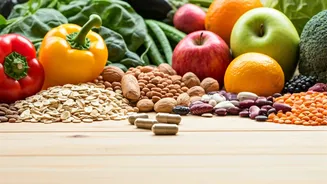
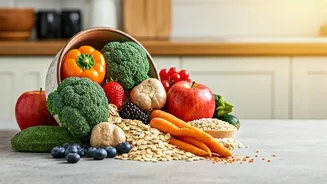
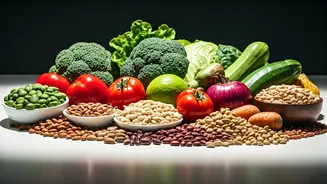
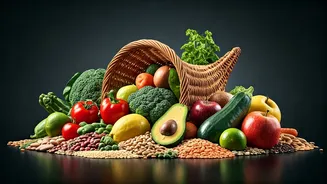
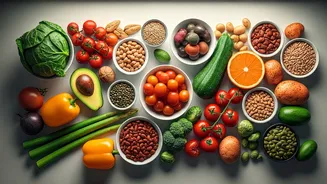
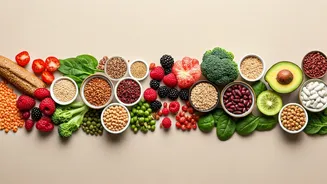
This is where whole foods—fruits, vegetables, whole grains, legumes, nuts, and seeds—enter the picture. They are not just sources of fiber; they are complete delivery systems. An apple, for instance, provides not only prebiotic fiber but also vitamins, antioxidants, and hundreds of other plant compounds (phytonutrients) that work in concert to promote health. You cannot replicate this complex synergy in a laboratory and put it into a capsule. The peel, the flesh, the water content, and the fibrous matrix all play a role in how your body and your microbiome process the nutrients. A processed food fortified with fiber is better than one without, but it pales in comparison to the benefits of a food that is naturally rich in it. Eating a wide variety of these whole foods ensures you're feeding a wider variety of microbes, creating a more resilient and diverse gut ecosystem.
Simple Swaps for a Smarter Gut
Upgrading your gut health doesn't require a radical, all-or-nothing overhaul. The most sustainable approach is built on small, consistent changes. Instead of thinking about what to eliminate, focus on what you can add.
- Start with one: Aim to add one more serving of a vegetable to your dinner each night. It could be a side of steamed broccoli, a handful of spinach wilted into your pasta sauce, or a simple side salad.
- Swap your grains: Switch from white bread or white rice to their whole-grain counterparts. Whole-wheat bread, brown rice, quinoa, and oats are packed with the fiber your gut loves.
- Snack smarter: Instead of reaching for chips or cookies, try a handful of almonds, an apple with peanut butter, or a small bowl of berries and plain yogurt.
- Embrace legumes: Lentils, chickpeas, and black beans are inexpensive, versatile, and incredibly high in prebiotic fiber. Try adding them to soups, salads, or making a bean-based dip like hummus.