





Rule 1: Declare War on Dampness
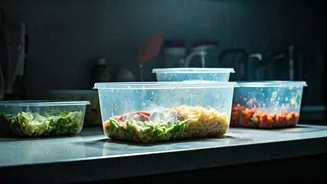
Humidity is the enemy of a fresh kitchen. It accelerates spoilage in everything from leafy greens to bread and spices. Your first line of defense is moisture control. Store produce that wilts easily, like spinach and herbs, wrapped in dry paper towels
inside airtight containers in the fridge. For dry goods like flour, crackers, and spices, ensure their containers are truly sealed. Consider transferring items from cardboard or paper packaging into glass jars or plastic containers with tight-fitting lids. A hygrometer (a simple humidity gauge) can be a cheap and effective tool; if your pantry consistently reads above 60% humidity, you’re in the danger zone for mold.
Rule 2: Respect Your Cutting Surfaces
Cross-contamination is a risk year-round, but it loves a warm, damp environment. Bacteria from raw meat or poultry can thrive on a wooden cutting board that doesn't dry completely. During humid seasons, it’s wise to favor non-porous plastic or glass boards, especially for high-risk foods like chicken. If you love your wooden board, be extra vigilant. After scrubbing it with hot, soapy water, allow it to air-dry completely, standing upright so air can circulate on all sides. Sanitize all boards regularly with a solution of one tablespoon of unscented liquid chlorine bleach per gallon of water. Flood the surface with the bleach solution and allow it to stand for several minutes before rinsing and air-drying.
Rule 3: Mind the Temperature Danger Zone
The “danger zone” for food, as defined by the USDA, is between 40°F and 140°F, where bacteria can double in number in as little as 20 minutes. A humid kitchen is often a warm kitchen, making it easier for food to enter this zone. Be diligent about refrigerating leftovers within two hours of cooking—or one hour if the ambient temperature is above 90°F. Don’t let groceries sit in a hot car after a shopping trip. Get refrigerated and frozen items put away immediately. It’s also a good idea to keep an appliance thermometer in both your fridge and freezer to ensure they’re holding at or below 40°F and 0°F, respectively.
Rule 4: Prepare for Power Outages
Summer storms and monsoons often bring power outages, which can turn your refrigerator into a bacterial incubator. Be prepared. Keep your freezer as full as possible; a full freezer will hold its temperature for about 48 hours if it remains closed (24 hours for a half-full one). Group foods together to help them stay cold longer. A refrigerator will keep food safe for about four hours if the door is unopened. Have a cooler and frozen gel packs on hand to store refrigerated items if the power is out for longer. Once power is restored, discard any perishable food (such as meat, poultry, fish, eggs, and leftovers) that has been at temperatures above 40°F for two hours or more.
Rule 5: Wash Produce Like You Mean It
That fine mist on vegetables at the grocery store might look refreshing, but any added moisture is an invitation for microbial growth, especially on produce that has traveled a long way. During monsoon season, all fruits and vegetables—even those with peels you don't eat, like melons and avocados—should be washed thoroughly under running water. Use a clean vegetable brush to scrub firm-skinned produce. Pathogens on the outside of a cantaloupe can be easily transferred to the flesh by a knife. Pay special attention to leafy greens, which can harbor soil and bacteria in their crevices. Soaking them in a clean bowl of cold water can help dislodge grit before a final rinse.