


Beyond the King of Mangoes
Ask any mango connoisseur about the best in the world, and you’ll likely hear a one-word answer: Alphonso. This legendary variety from western India is celebrated for its creamy, non-fibrous texture and a complex flavor that is both sweet and tangy. For
decades, it was the only Indian mango with any real name recognition in the United States, a symbol of summer and a sought-after luxury item in Indian grocery stores. But India, the world's largest mango producer, is home to over 1,500 varieties, each with its own unique personality, season, and regional pride. For a long time, most Americans simply never got to taste them. A combination of a long-standing U.S. import ban (lifted in 2007 but followed by strict irradiation requirements) and complex logistics meant that exporting a delicate, perishable fruit was a challenge only a few high-value varieties like the Alphonso could justify.
A New Wave of Flavor
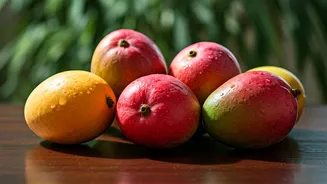
So, what changed? A perfect storm of growing demand and improving supply chains. As the Indian diaspora in the U.S. has grown, so has the craving for a taste of home—and not just the most famous tastes. This created a dedicated market for other beloved regional mangoes. Simultaneously, American food culture has become increasingly adventurous, with consumers actively seeking authentic, novel flavors from around the globe. Importers, sensing the opportunity, have begun navigating the logistical hurdles to bring in a wider range of fruit. They've found that while the Alphonso's season is relatively short (typically April to June), other varieties ripen later, allowing them to extend the Indian mango season into late summer. The result is a quiet but delicious revolution in the produce aisle of specialty and South Asian markets.
The Contenders: Kesar, the 'Queen'
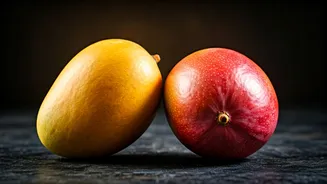
If Alphonso is the king, many consider Kesar the queen. Hailing from the foothills of Girnar in Gujarat, the Kesar mango is known for its intense, bright orange pulp and a distinct saffron-like aroma and flavor (kesar means saffron in Hindi). Unlike the Alphonso’s rich creaminess, the Kesar offers a sweeter, more purely honeyed taste with almost no acidity. Its flesh is smooth and perfect for pulp, which is why it's a favorite for making desserts and the classic Indian drink, aamras. When you spot them in stores, they’ll have a green skin that blushes yellow, but it’s the intoxicating fragrance that truly gives them away. Finding a perfectly ripe Kesar feels like discovering treasure.
The Contenders: Chaunsa, the Sweetest Farewell
Appearing late in the season, from July through August, the Chaunsa is considered by many in North India to be the pinnacle of mango perfection. It is, without question, one of the sweetest mangoes you will ever taste. Its flavor is a powerful, sugary nectar with notes of citrus and melon, and its pulp is so soft and juicy that it’s traditionally eaten by simply kneading the fruit, snipping off the top, and sucking out the contents. The Chaunsa is less about a firm bite and more about a luscious, fragrant juice experience. Its skin is a plain, thin yellow, often appearing a bit wrinkly when perfectly ripe—a humble package for an astonishingly decadent flavor. It's the mango that signals the end of summer in India, a final, sweet farewell.
The Contenders: Banganpalli, the Versatile Giant
Also known as Benishan, the Banganpalli from Andhra Pradesh is a workhorse mango in the best possible way. These mangoes are noticeably larger and more oblong than their more famous cousins, with a thin, canary-yellow skin. Their flavor profile is milder and subtler, with a gentle sweetness and a pleasant, slightly acidic tang that makes them incredibly refreshing. Because they are less fibrous and hold their shape well when cut, they are fantastic for dicing into salads, salsas, or smoothies. While other mangoes are an event, the Banganpalli is a reliable, everyday delight—the mango you can slice up for the kids without worrying about a mess, but with a flavor that still far surpasses the typical supermarket varieties from Mexico or Peru.