





The Rise of Produce-Forward Plates
Something has shifted in the American appetite. After years where restaurant prowess was measured by complex techniques, foams, and fussy preparations, a refreshing clarity has taken hold. The most coveted dish of the summer isn’t a 72-hour sous-vide
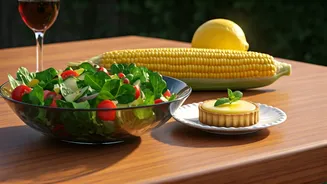
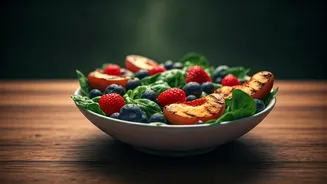
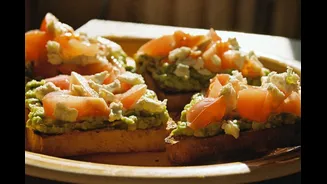
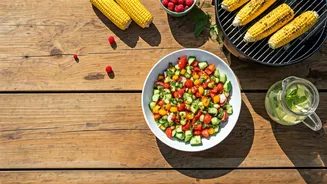
anything; it’s a plate of perfectly ripe heirloom tomatoes with flaky salt and good olive oil. It’s grilled peaches with burrata and basil. It’s raw, sweet corn shaved off the cob and tossed with lime and cotija cheese. This is the era of the seasonal summer plate, a style of eating that champions one core belief: when an ingredient is at its absolute peak, the smartest thing a chef can do is get out of its way. Restaurants from neighborhood cafes to Michelin-starred establishments are embracing this ethos, dedicating sections of their menus to what is, essentially, a celebration of the farmer’s market. It’s less about culinary gymnastics and more about thoughtful sourcing and confident restraint.
An Antidote to 'Too Much'
So, why now? Part of the appeal is psychological. In a world of overstimulation, processed foods, and endless complexity, these dishes are a radical act of simplicity. They offer a direct, unmediated connection to flavor and nature. Eating a sun-warmed cherry tomato is a grounding, sensory experience that a lab-made flavor profile can never replicate. This trend is a culinary extension of the broader cultural turn toward authenticity, wellness, and mindfulness. It’s the edible version of cottagecore or a digital detox. There’s also an element of post-pandemic recalibration. Many people spent more time cooking at home, connecting with local producers, and rediscovering the simple joy of a good ingredient. That appreciation didn’t disappear when restaurants reopened; if anything, it created a more discerning diner who now expects that same level of quality and respect for produce when they eat out. We’re not just looking for a meal; we’re looking for food that feels honest and nourishing.
Made for the Social Feed
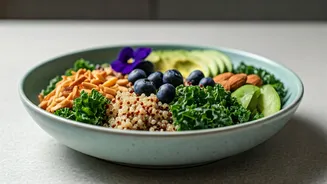
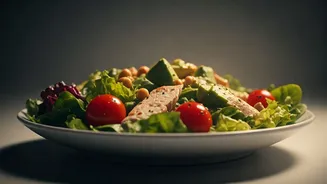
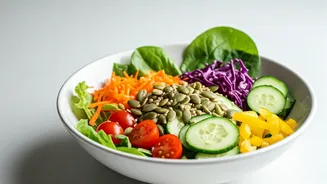
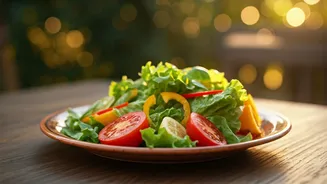
Let’s be honest: these plates are also stunningly beautiful. The natural, vibrant colors of peak-season produce require no filter. A fanned-out arrangement of multi-colored tomato slices, a bright green cascade of fresh herbs, or the deep magenta of a sliced beet—it’s all inherently photogenic. This visual appeal has made seasonal plates a darling of Instagram and TikTok, where the #tomatogirlsummer aesthetic and similar trends have exploded. When a dish is both delicious and beautiful, it creates a powerful feedback loop. Diners see a gorgeous plate online, seek it out at a restaurant, and then post their own version, amplifying the trend further. It has turned the humble vegetable from a side dish into the main event—a bona fide status symbol of taste, health, and being in the know. Ordering the tomato salad is no longer the boring option; it’s the chic, confident choice.
The Hero Is the Farmer
Ultimately, the love for seasonal plates is a long-overdue appreciation for the real stars of the food world: the growers. This style of cooking is impossible without high-quality, meticulously grown produce. It shines a spotlight on the farmers who cultivate unique heirloom varieties and pick their crops at the perfect moment for peak flavor, not for their ability to withstand cross-country shipping. Many restaurants now proudly list their farm partners on the menu, giving diners a sense of connection to the land and the people who work it. This isn't just a marketing gimmick; it's a fundamental shift in the culinary value system. By celebrating the ingredient, we are implicitly celebrating the source. It’s a quiet revolution fought with zucchini blossoms and sweet peppers, reminding us that the best food often begins long before it ever reaches the kitchen.