

Redefine 'Responsible' Eating
First, let’s reframe the goal. 'Responsible eating' doesn't have to mean filling your cart with imported superfoods, organic-certified everything, and pre-packaged wellness products. At its core, it's about consuming whole, nutrient-dense foods that are
produced with respect for the environment and our communities. Often, the most responsible choice is also the simplest and most traditional. By shifting focus from expensive, branded health foods to the humble, powerful staples grown in your own region, you can eat incredibly well without the sticker shock. This approach prioritizes freshness, reduces food miles, and supports local economies—all while being gentle on your wallet.
Embrace the Humble Root Vegetable
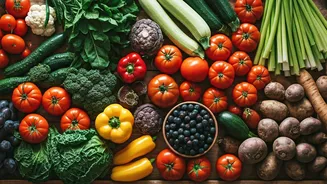
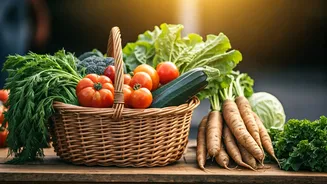
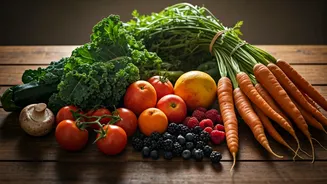
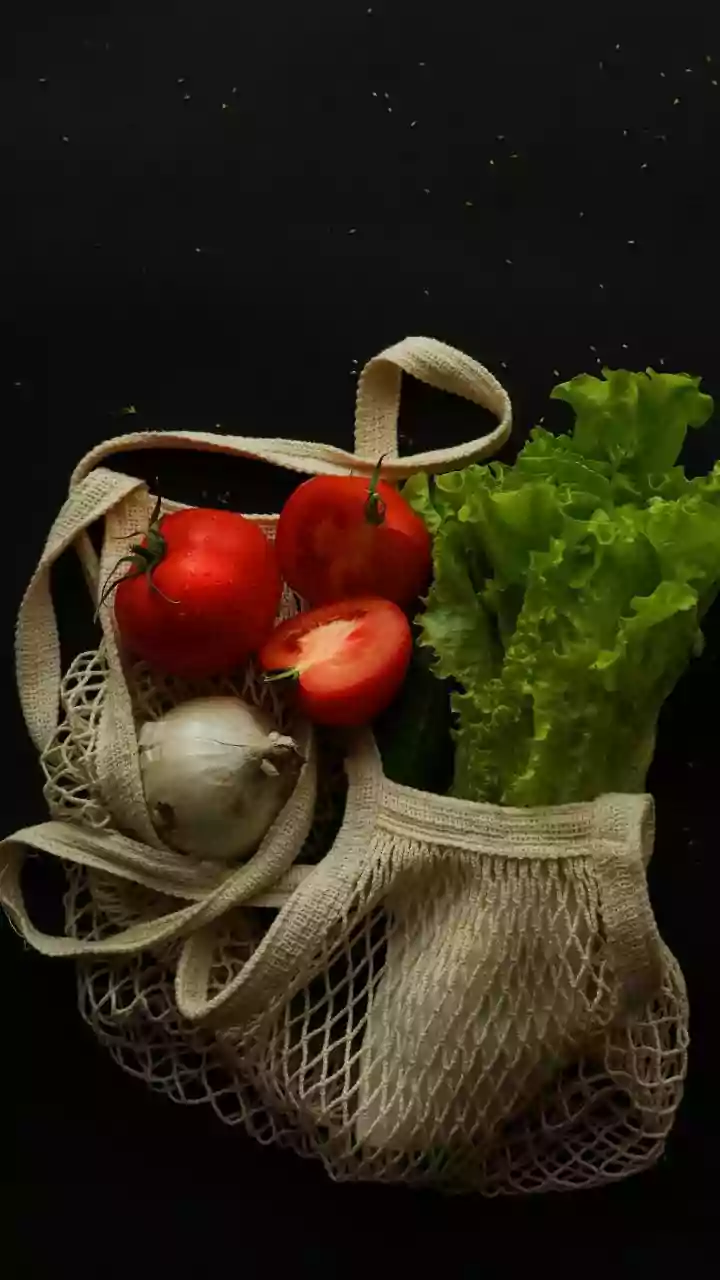
The foundation of affordable eating starts underground. Potatoes, carrots, onions, beets, and sweet potatoes are nutritional powerhouses that are remarkably inexpensive. Grown across the U.S., these staples are available year-round and store well, minimizing waste. A five-pound bag of potatoes often costs less than a single fancy coffee. These vegetables are incredibly versatile: roast them for a simple side, mash them for a comforting classic, or shred them into soups and stews. Instead of buying pricey vegetable chips or pre-cut fries, a little bit of prep work with these basic roots provides a healthier and far more economical alternative.
Look to Legumes, Pulses, and Grains
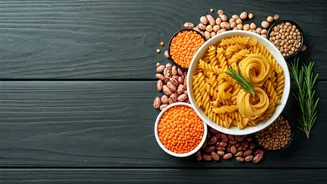
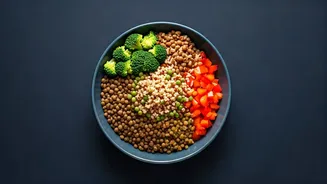
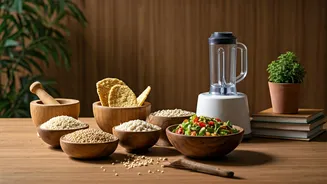
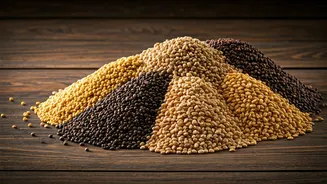
Some of the most affordable and sustainable proteins aren't in the meat aisle. Dried beans, lentils, and chickpeas are cornerstones of budget-friendly, responsible diets worldwide. A one-pound bag of dried beans can yield 10-12 servings for just a few dollars. They are packed with fiber, protein, and essential micronutrients. Similarly, whole grains like oats and barley are inexpensive staples. Buying these items in bulk further reduces the cost and packaging waste. A morning bowl of oatmeal costs pennies per serving and offers more sustained energy than many sugary, processed breakfast cereals.
Master the Art of Seasonal Shopping
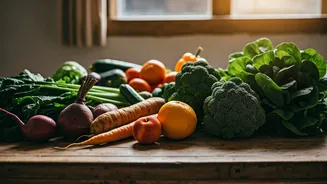
The key to saving on fresh produce is to buy what’s in season. When a fruit or vegetable is at its peak harvest, it’s abundant, which drives down the price. You'll find the best deals on summer berries in July, crisp apples and squash in October, and leafy greens in the spring. Shopping seasonally not only guarantees better prices but also superior flavor and nutritional value. Farmers' markets are an excellent place to see what’s currently abundant in your area. This simple rhythm connects you to your local agricultural clock and naturally diversifies your diet throughout the year without relying on expensive, out-of-season imports.
Prioritize Affordable Local Proteins
While plant-based proteins are a huge money-saver, you don’t have to give up animal products to eat responsibly on a budget. Eggs are one of nature's most perfect and affordable foods. A dozen local, free-range eggs often provide several meals' worth of high-quality protein for a modest price. Additionally, learning to cook with less-expensive cuts of meat, like chicken thighs instead of breasts or using ground meat in moderation, can make a significant difference. When you do buy meat, sourcing it from a local farm or butcher can sometimes offer better value and a higher-quality product than what's available at a large chain supermarket.
Connect Directly with the Source
One of the best ways to make responsible eating more affordable is to cut out the middleman. Visiting a local farmers' market allows you to buy directly from the people who grow your food. This often means fresher produce at a lower price, especially if you shop toward the end of the market day when farmers are looking to offload remaining inventory. Another option is a Community Supported Agriculture (CSA) program, where you pay a farm upfront for a 'share' of the season's harvest. You'll receive a box of fresh, seasonal produce every week—a system that provides financial security for the farmer and a bounty of affordable, local food for you.