


The Allure of Earthy Material
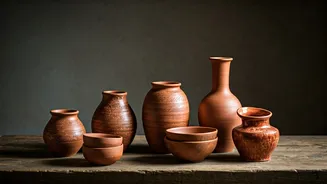
At its core, the appeal of terracotta is primal. The word itself means “baked earth” in Italian, and that’s exactly what it is: a simple, porous ceramic made from natural clay. Its characteristic reddish-brown hue evokes sun-drenched Mediterranean landscapes
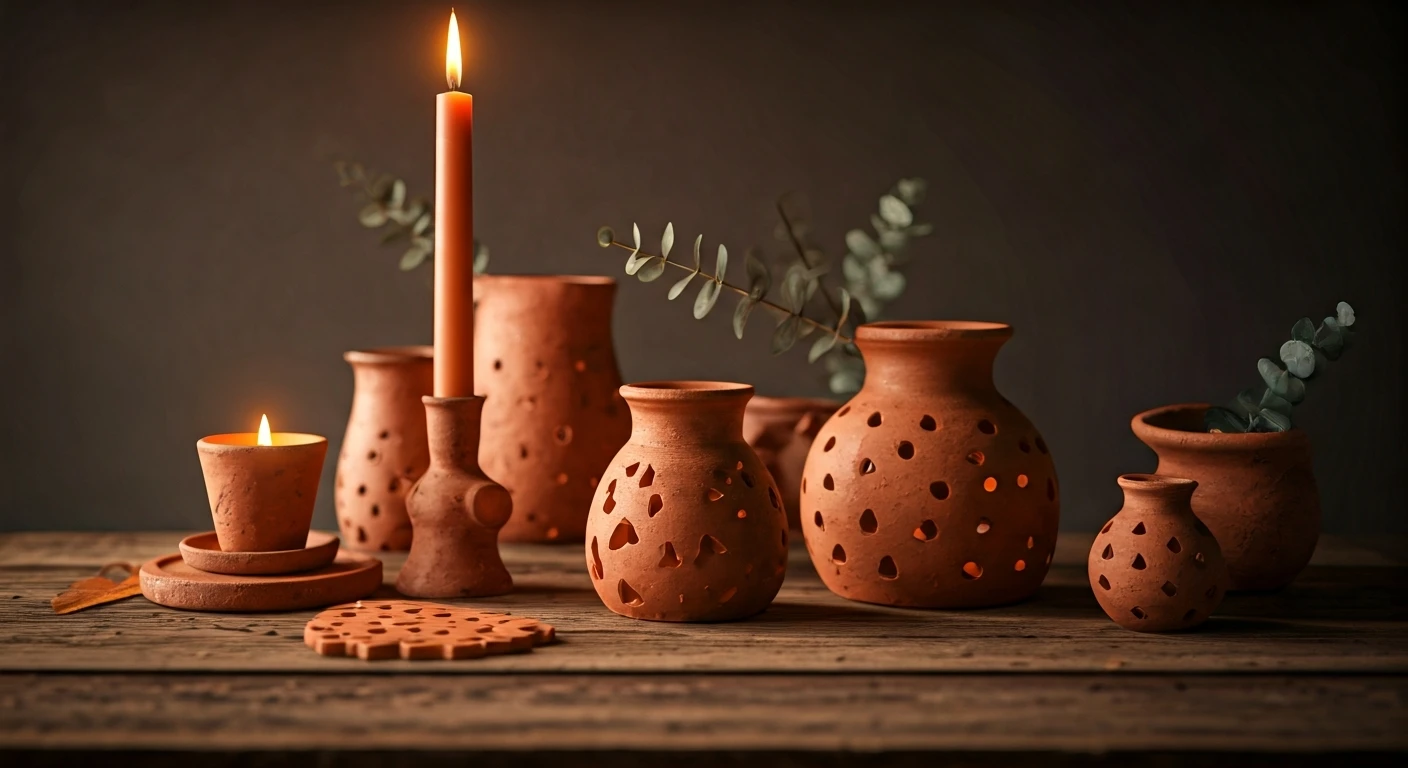
and rustic desert homes. In a world saturated with sleek, cool-toned metals and plastics, the warm, matte texture of a terracotta lamp feels grounding. It’s a physical connection to the natural world, a principle at the heart of biophilic design, which seeks to incorporate nature into our built environments to improve our well-being. These lamps aren’t just objects; they are sculptural pieces that bring an organic, tactile quality to a room, making a space feel more lived-in and human.
A Grounded Approach to Sustainability
The 'sustainable' label is often overused, but with terracotta, it holds weight. The primary material, clay, is abundant and natural. While the firing process in a kiln requires energy, the resulting product is incredibly durable and long-lasting, designed to be kept for decades, not discarded with next season’s trends. Unlike mass-produced plastic items, a terracotta lamp is biodegradable, eventually able to return to the earth from which it came. This trend is part of a larger consumer movement away from disposable decor and toward 'slow living'—investing in timeless, artisan-crafted pieces with a story. By choosing a terracotta lamp, especially one from a small pottery studio, consumers are supporting craftsmanship and opting for an item with a lower environmental footprint over its entire lifecycle.
Versatility for Any Design Style
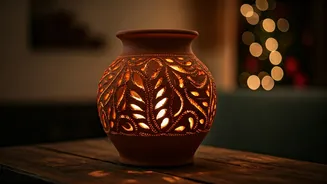
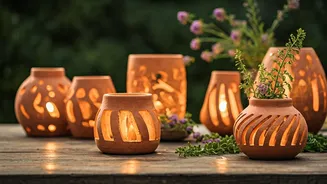
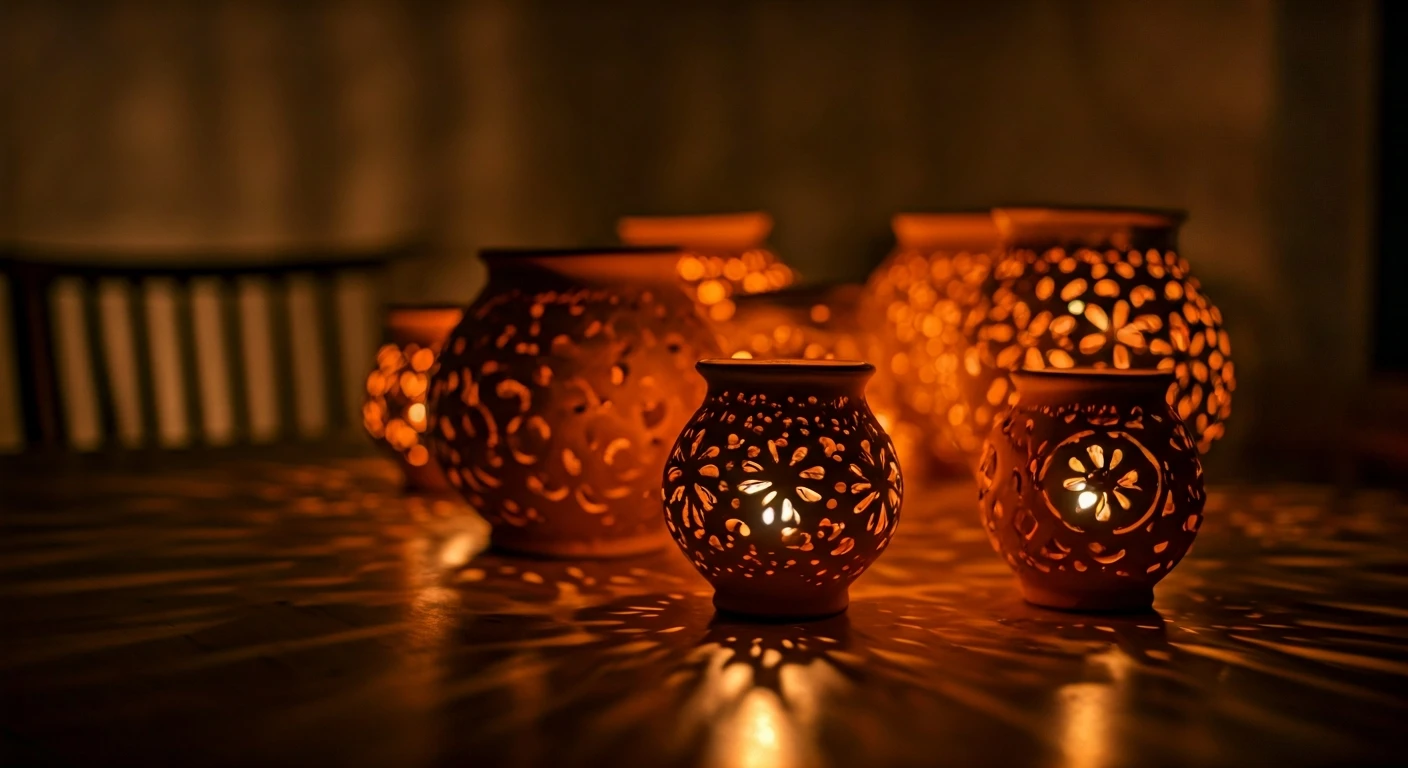
Don’t mistake terracotta’s earthy origins for a lack of sophistication. Designers are embracing this material in a surprising variety of forms. You’ll find minimalist, dome-shaped pendants that look stunning over a kitchen island, stout table lamps with simple drum shades perfect for a bohemian living room, and intricate, perforated sconces that cast beautiful, dappled light patterns on a wall. The key to their versatility is their role as a warming agent. In a stark, modern space, a terracotta lamp adds a necessary pop of organic warmth and texture. In a rustic or eclectic home, it blends in seamlessly, enhancing the existing palette of wood, linen, and natural fibers. It’s a design chameleon that complements rather than competes, making it an easy addition to almost any interior.
Setting the Mood for Summer Festivities
The headline’s mention of “mid-year festivals” points to a key function of this trend: atmosphere. As we move into the season of outdoor dinner parties, backyard barbecues, and lazy evenings on the porch, lighting becomes crucial. The light filtered through a terracotta shade is uniquely soft and inviting. It casts a warm, ambient glow that is far more intimate than a harsh overhead bulb. Imagine a string of small terracotta pendants over an outdoor dining table or a stout lamp on a side table next to your patio furniture. This is lighting that encourages conversation and relaxation, creating the perfect cozy, celebratory vibe for summer solstice parties, Fourth of July gatherings, or simply enjoying a quiet evening outdoors. It transforms a simple get-together into a memorable, atmospheric event.
How to Bring the Trend Home
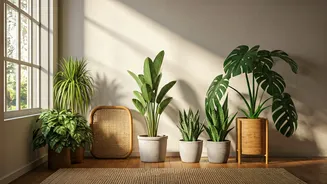
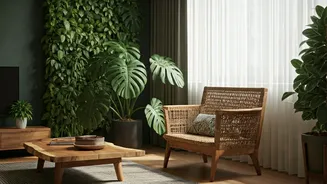
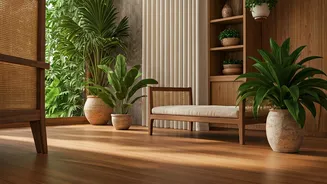
Incorporating this trend is easier than you might think. For unique, one-of-a-kind pieces, platforms like Etsy are a treasure trove of independent ceramic artists and potters selling their handmade lamps. For a more accessible option, major retailers like Crate & Barrel, West Elm, and CB2 have all embraced the trend, offering their own stylish interpretations. When styling, think in textures. Pair your terracotta lamp with other natural materials. Place it on a rough-hewn wooden console table, next to a linen-upholstered sofa, or surrounded by lush green houseplants. The goal is to build layers of organic texture that make your home feel like a sanctuary—a calm, curated, and deeply personal space.