







So, What Is 'Digital Gold'?
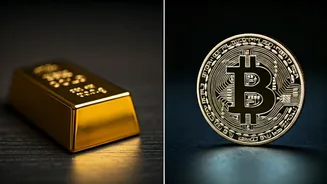
When you hear the term 'digital gold,' people are almost always talking about Bitcoin. Just like physical gold, Bitcoin is scarce—there will only ever be 21 million coins created. This built-in scarcity is a key reason it draws comparisons to the precious
metal. Unlike traditional currencies, which governments can print more of (potentially leading to inflation), Bitcoin's supply is fixed by its underlying code. It operates on a decentralized network called a blockchain, meaning no single bank, company, or government controls it. This independence is a core part of its appeal. While Bitcoin is the poster child, the term is sometimes used more broadly to describe other cryptocurrencies that are seen as a potential store of value, but for most people, 'digital gold' is simply a catchy nickname for the world's first and most famous crypto asset.
The 'Gold' Analogy: Does It Hold Up?
For centuries, gold has been a go-to asset during times of economic uncertainty. It’s tangible, has a long history, and is trusted as a way to preserve wealth. Proponents of Bitcoin argue it serves a similar purpose in the digital age. They see it as a hedge against inflation and a safe haven asset that isn’t tied to the whims of any single economy. However, the comparison isn't perfect. Gold's value is relatively stable; Bitcoin's is famously not. Its price can swing dramatically in a single day, making it a much more volatile and high-risk proposition. While gold has thousands of years of history as a store of value, Bitcoin has only been around since 2009. It’s still a teenager in the world of finance, and its long-term role is the subject of intense debate among even the smartest investors.
Making It 'Swipe-Friendly'
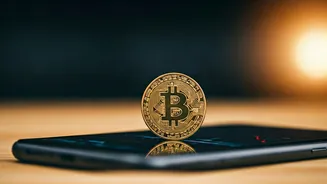
Perhaps the biggest driver of the 'digital gold' trend is its sheer accessibility. A decade ago, buying Bitcoin was a complicated process reserved for the tech-savvy. Today, it’s as easy as ordering a pizza. Mainstream financial apps like PayPal, Cash App, and Robinhood have integrated cryptocurrency buying and selling directly into their platforms. This means millions of Americans can purchase a fraction of a Bitcoin with just a few taps, using the same app they use to pay friends or trade stocks. This 'swipe-friendly' experience has removed the friction, opening the door for a new generation of investors who are comfortable managing their finances entirely from their smartphones. It’s this seamless integration into everyday life that has turned a niche asset into a mainstream conversation.
A Wealth Move or a Risky Bet?
Here's the million-dollar question: Is this actually a smart 'wealth move'? The argument for it is compelling. Early adopters who held on have seen life-changing returns, and many believe its limited supply will ensure its value continues to grow over the long term as more people and institutions adopt it. For them, allocating a small portion of their portfolio to digital gold is a calculated risk with an outsized potential reward. But the risks are just as real. Extreme volatility means your investment could lose a significant amount of its value overnight. The regulatory landscape is still evolving, and governments could crack down in ways that impact its price. Plus, because you are your own bank, security is a major concern; if you lose your private keys or get hacked, your funds could be gone forever. It’s less of a guaranteed wealth move and more of a high-risk, high-reward bet on the future of finance.