



A Pivot to the East
For decades, the dream vacation for many middle- and upper-class Indians involved a long-haul flight to the cobblestoned streets of Europe or the bustling avenues of the United States. London, Paris, and New York were the predictable rites of passage.
But a seismic shift is underway. While those destinations still hold appeal, the real story of Indian travel in the 2020s is an explosive love affair with Asia. From the beaches of Thailand to the megacities of Japan, Indian travelers are redirecting their purchasing power eastward, driven by a powerful combination of economics, convenience, and cultural curiosity. Travel platforms and tourism boards are reporting unprecedented surges, confirming that this isn't a fleeting trend but the new status quo.
The Southeast Asian Hot List
At the heart of this boom is Southeast Asia. The undisputed breakout star is Vietnam, which has seen a staggering increase in Indian visitors, thanks to its breathtaking landscapes, rich history, and incredible value for money. Suddenly, Instagram feeds that were once filled with Eiffel Tower selfies are now dominated by photos from Ha Long Bay and the lantern-lit streets of Hoi An. Thailand, a long-time favorite, has supercharged its popularity by offering visa-free entry, making spontaneous trips irresistible. The same policy has worked wonders for Malaysia. Meanwhile, Indonesia’s Bali continues to be a perennial magnet, offering a mix of spiritual retreats, vibrant nightlife, and picture-perfect scenery that resonates deeply with Indian travelers looking for an accessible yet exotic getaway.
The 'Why' Behind the Wave
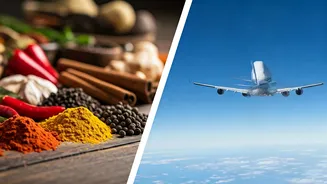
So, what’s fueling this massive geographical pivot? It’s a perfect storm of practical and aspirational factors. First, the logistics are undeniable. Short-haul flights of 4-6 hours are far more appealing than 10-plus hour journeys to the West, especially for families or those seeking a quick vacation. This has been amplified by a huge increase in direct flight connectivity from Indian cities to Asian hubs. Second is the simple math. A trip to Vietnam or Thailand can cost a fraction of a comparable vacation in Switzerland or Italy, allowing travelers to enjoy luxury experiences—five-star hotels, fine dining—for a budget that would be considered modest in Europe. Visa waivers from countries like Thailand, Malaysia, and Sri Lanka have removed a significant layer of friction, making the decision to travel as easy as booking a flight.
Culture, Clicks, and K-Dramas
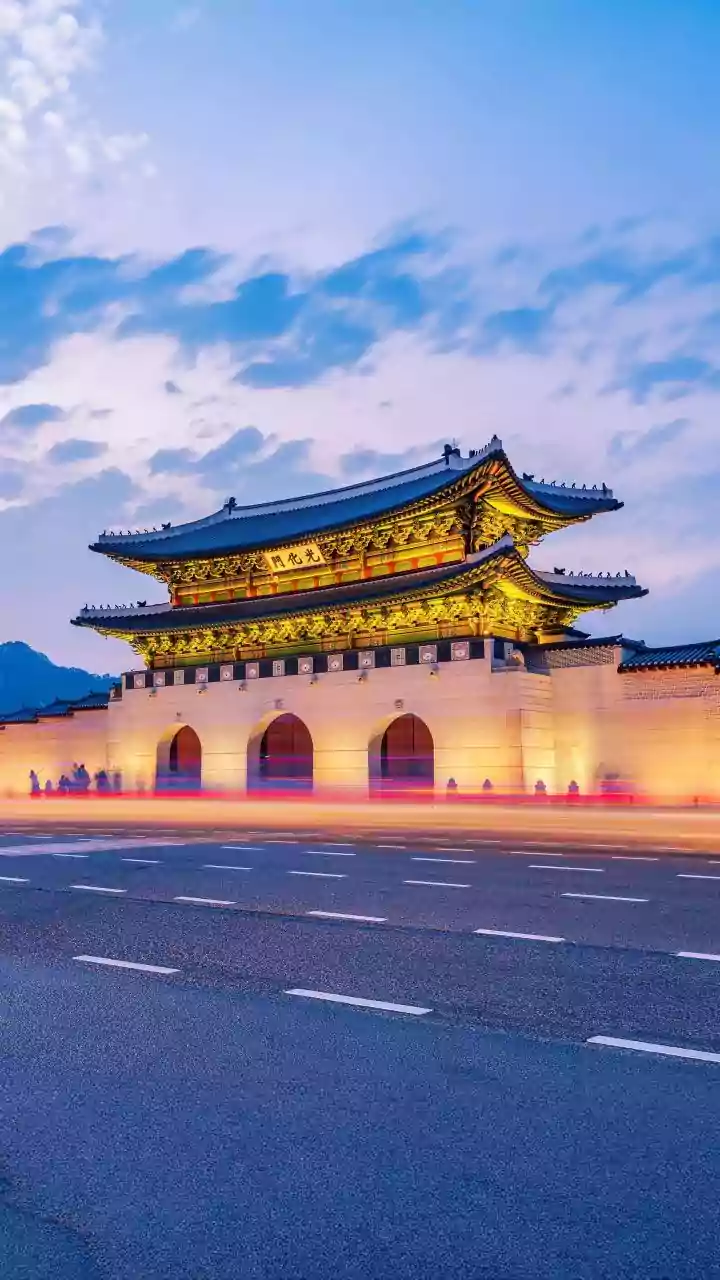
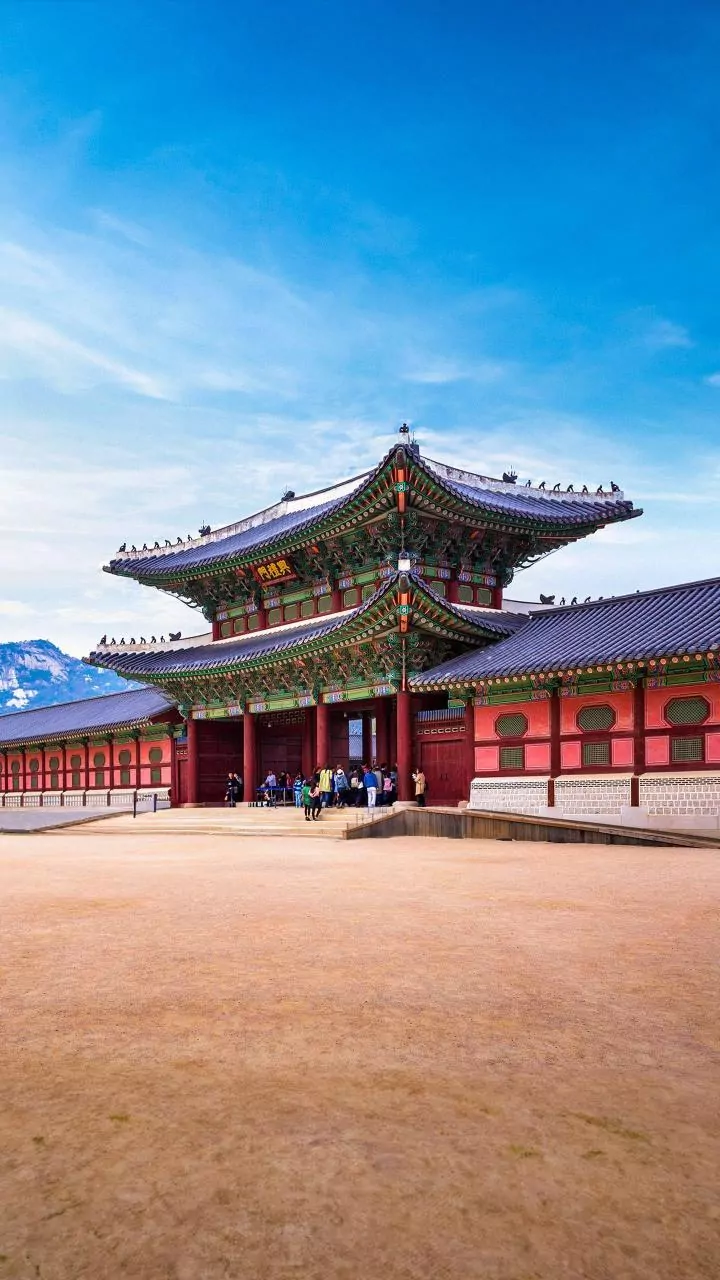
Beyond logistics and cost, cultural factors play a huge role. Social media has created a powerful feedback loop; as more Indians post about their amazing Asian holidays, their friends and followers are inspired to do the same. There's a sense of discovering something new and exciting that feels more unique than the well-trodden European circuit. This desire for novelty is also pushing travelers further east. Japan and South Korea are emerging as the next frontier, particularly for younger Indians. The global appeal of K-pop, K-dramas, and Japanese anime has created a powerful pull, with fans eager to visit filming locations and immerse themselves in the cultures that produce their favorite entertainment. It’s a testament to how modern pop culture is directly shaping global travel patterns.