

So, What Exactly Is Makhana?
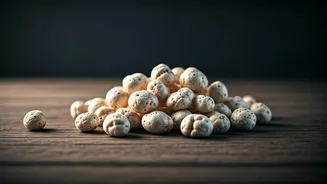
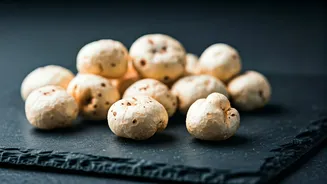
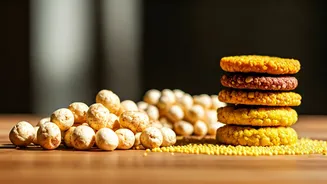
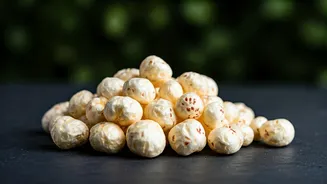
First things first: it’s not a nut. Makhana, also known as fox nuts or gorgon nuts, are the popped seeds of the prickly water lily (Euryale ferox). Imagine a snack that combines the airy crunch of a cheese puff with the subtle, earthy flavor of popcorn
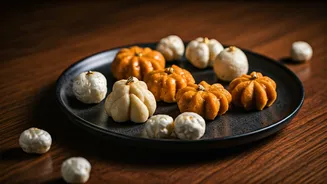
before you add butter. That’s makhana. Because of their neutral taste, they are an incredibly versatile base for a wide range of flavors, from simple salt and pepper to spicy chili-lime or even sweet caramel. For centuries, these puffy, white seeds have been a staple in parts of Asia, particularly in India, where they are often used in religious ceremonies, eaten during fasts, or incorporated into savory curries and sweet puddings. But now, they're showing up in glossy, modern packaging in the snack aisles of stores like Whole Foods and Trader Joe's, rebranded for a global wellness-conscious audience.
The Ancient Ponds of Bihar
The journey of makhana from pond to packet is an arduous, age-old process centered in the Indian state of Bihar. This region accounts for nearly 90% of the world's supply. The seeds are harvested by hand from the muddy floors of stagnant ponds and wetlands. It’s a labor-intensive tradition passed down through generations of fishermen. After collection, the small black seeds are dried in the sun before being roasted in hot sand-filled pans. The crucial step comes next: skilled artisans, often women, strike the hot seeds with a wooden mallet, causing the outer shell to crack and the white puff to pop out, much like popcorn. It’s a demanding craft that requires immense precision. This incredible backstory gives makhana an authenticity and sense of place that few mass-produced snacks can claim. In 2022, "Bihar Makhana" was awarded a Geographical Indication (GI) tag, a status similar to Champagne in France or Parmesan in Italy, legally protecting its origin and unique production methods.
A Superfood Glow-Up
The reason makhana is having its “cool era” right now is simple: its nutritional profile reads like a wellness influencer’s wish list. It’s naturally gluten-free, low in calories and fat, and rich in protein, fiber, and essential minerals like magnesium and potassium. Unlike many processed snacks that offer empty calories, makhana provides a satisfying crunch without the guilt. It aligns perfectly with a host of modern dietary trends, from plant-based eating to Paleo-friendly diets. For those looking for a healthier alternative to potato chips or puffed corn snacks, makhana offers a compelling mix of texture, flavor potential, and genuine health benefits. It's the rare snack that feels indulgent but is actually good for you, making it an easy swap for anyone trying to clean up their pantry.
From Local Staple to Global Star
The final piece of the puzzle is savvy branding. A new wave of food startups, many founded by Indian-Americans, has repackaged this humble staple for the Western palate. Companies like AshaPops and Bohana are selling makhana in vibrant, snack-sized bags and introducing flavors that resonate with U.S. consumers, such as Turmeric Garlic, Dark Chocolate, and Himalayan Pink Salt. They’re marketing it not just as a food but as a piece of cultural heritage, a clean-eating power-up, and a sustainable snack. By highlighting its Ayurvedic roots and its impressive nutritional stats, these brands have successfully positioned makhana as the next big thing in healthy snacking—a far cry from its traditional role as a simple fasting food. It’s a classic story of an ancient ingredient finding new life on the global stage, powered by wellness trends and smart, story-driven marketing.