
The Sensory Blueprint of Summer
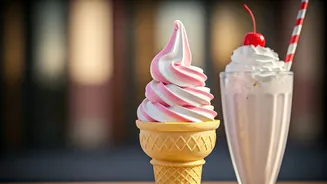
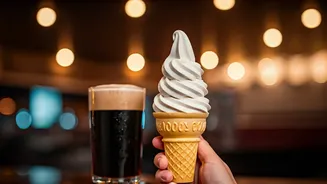
Long before artisanal gelato shops and dairy-free alternatives populated every corner, summer had a simpler, creamier flavor profile. It tasted like a chocolate-dipped soft-serve cone from a walk-up window, its perfect swirl melting faster than you could
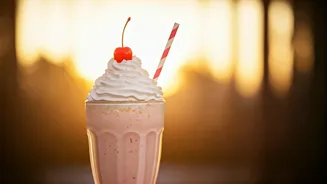
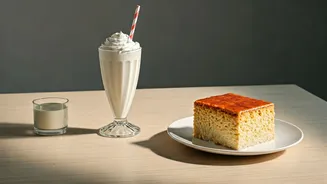
eat it. It tasted like a thick, brain-freezing milkshake from a diner, served in a tall, fluted glass with the extra in a frosty metal canister alongside it. These weren't just desserts; they were experiences woven into the fabric of the season. The sticky fingers, the condensation on the glass, the communal joy of a shared treat under the hot sun—it’s a sensory blueprint for happiness that is imprinted on us from childhood. This isn't just about sugar or refreshment. It's about a specific kind of American freedom: the freedom of long, unstructured days, roadside stops on family vacations, and the simple, accessible luxury of something cold and sweet.
From Soda Fountains to Roadside Stands
The dominance of milk-based treats in the American summer psyche isn’t an accident; it’s a story of technology, prosperity, and culture. The classic milkshake, for instance, evolved from an eggnog-like health drink in the late 1800s into the ice-cream-based indulgence we know today, thanks to the invention of the electric blender in 1922. The post-war boom of the 1950s solidified its place in our hearts. As car culture flourished, so did the drive-in and the roadside stand. Suddenly, getting an ice cream wasn't a formal affair at a city parlor; it was a casual, spontaneous part of a summer evening drive. Franchises like Dairy Queen, founded in 1940, and Carvel, which patented its own soft-serve machine, brought consistency and convenience to the masses. That glowing neon sign promising a cone or a sundae became a reliable beacon of affordable, family-friendly delight, from rural highways to burgeoning suburbs.
The Simple Science of Satisfaction
There’s also a powerful biological reason we’re drawn to these treats. When the temperature soars, our bodies crave quick energy and cooling relief. Chilled milk treats deliver a perfect trifecta. The cold temperature provides an immediate physical respite from the heat. The sugar offers a quick burst of energy, counteracting the lethargy that summer humidity can induce. And finally, the fat in the milk or ice cream provides a deeper sense of satiety and satisfaction. This combination triggers the brain's reward centers, creating a feeling of pure, uncomplicated pleasure. It's a biological hack for happiness that we learn to associate with summer from our very first taste. The memory isn’t just psychological; it's physiological, a cellular recollection of feeling good during the hottest days of the year.
An Anchor for Our Memories
More than the taste or the history, these treats serve as anchors for our memories. You might not remember every detail of a family road trip, but you remember stopping for Blizzards in a small town. A first date might be a blur, but the shared chocolate malt at a retro diner remains crystal clear. They are the punctuation marks in our personal histories—the reward after a Little League victory, the consolation after a scraped knee, the centerpiece of a lazy Sunday afternoon with grandparents. They are an edible timeline. In a world of ever-changing culinary trends, the humble milkshake or soft-serve cone remains a constant. It doesn’t need reinvention. Its power lies in its predictability, in its ability to taste exactly as you remember it, providing a direct, delicious link to the past.