

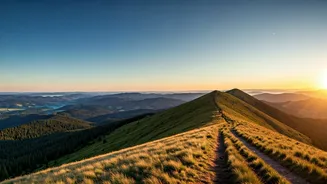
The Mountain Mood: Crisp Air and Endless Trails
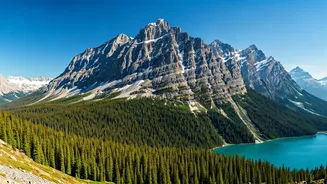
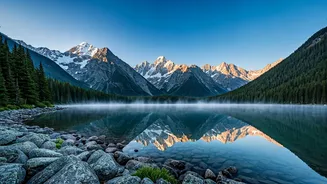
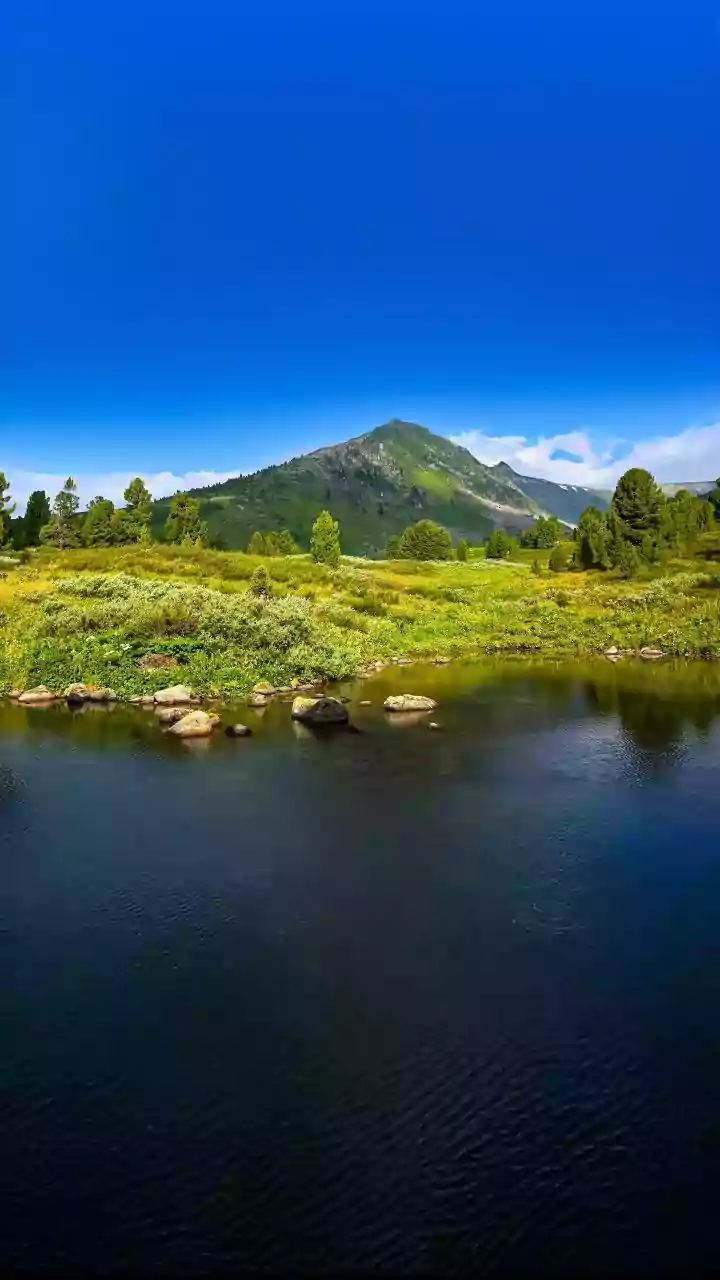
Choosing the mountains in June is a vote for clarity and renewal. In high-altitude destinations across the American West, from Colorado’s Rockies to the Sierra Nevada in California, the month represents a perfect seasonal sweet spot. The heavy winter
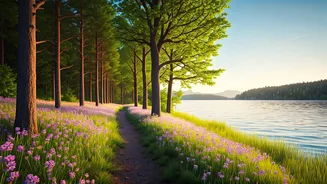
snows have finally receded from the lower and mid-elevation trails, but the oppressive heat of July and August has yet to arrive. The result is a landscape bursting with life. Wildflowers carpet the meadows, creeks and rivers run full and fast with snowmelt, and the air is so crisp it feels like a tonic. This is a trip for doing. Long daylight hours invite ambitious hikes to alpine lakes that were inaccessible just weeks before. The sun is warm on your back, but a cool breeze is never far away. It’s an active, goal-oriented vacation vibe—conquering a pass, reaching a scenic overlook, or simply pushing your body in the clean, thin air. The reward is a profound sense of accomplishment and a deep connection to a world waking up for summer.
The Monsoon Mood: Dramatic Skies and Desert Rain
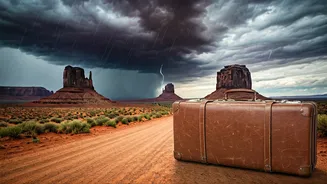
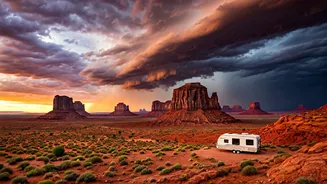
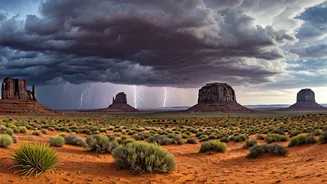
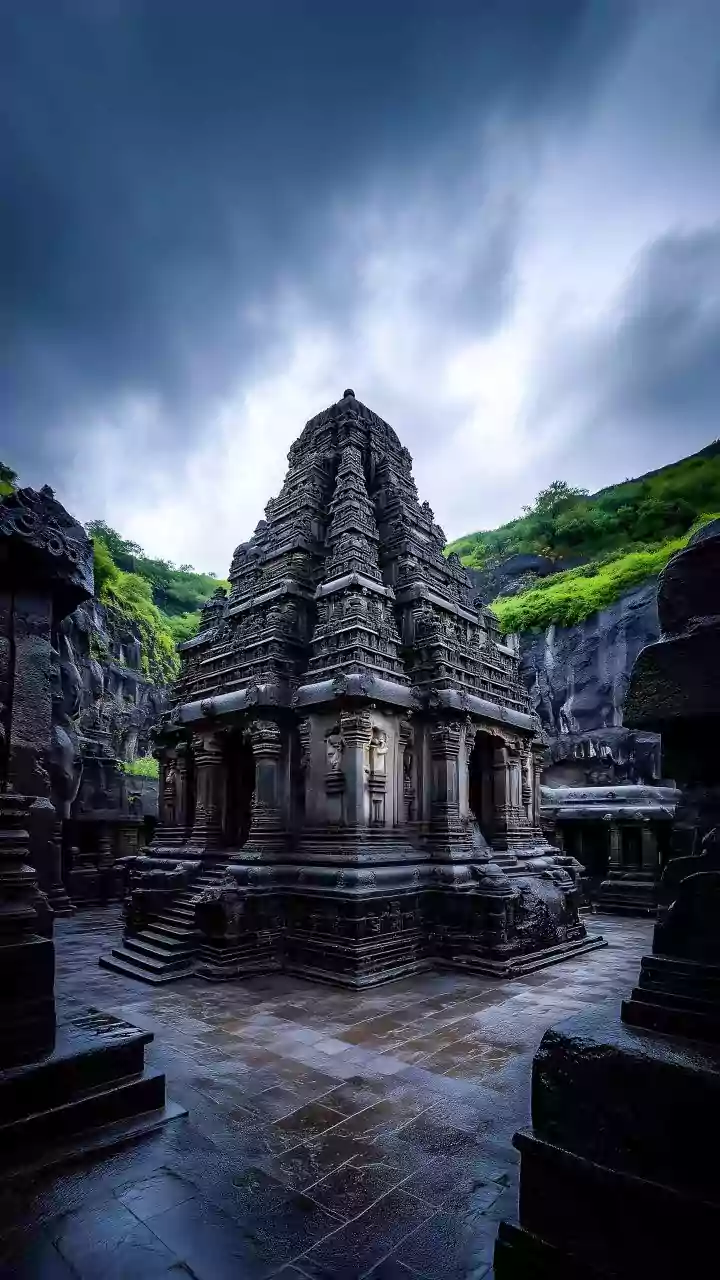
If the mountains are about action, the desert in June is about atmosphere. This is the month when the American Southwest holds its breath, waiting for the North American Monsoon. While the peak season is typically July and August, late June often brings the first dramatic overtures. The weather pattern shifts, pulling moist, tropical air up from the south. The change is palpable. The mornings start clear and hot, but by early afternoon, colossal thunderheads begin to build on the horizon, stacking up into magnificent, anvil-shaped towers. The wind picks up, carrying the iconic scent of creosote and damp earth. This is a trip for patient observation. The appeal isn't in hiking under the midday sun, but in finding a shaded patio in a place like Santa Fe, Tucson, or Sedona to watch the sky perform. The daily show is spectacular: darkening skies, distant flickers of lightning, and then, finally, a torrential downpour that cools the air and cleanses the landscape. It’s a sensory experience—the sound of rain on a tin roof, the smell of the super-heated ground getting its first drink in months, and the golden light that breaks through as the storm passes.
An Active Ascent or a Patient Watch?
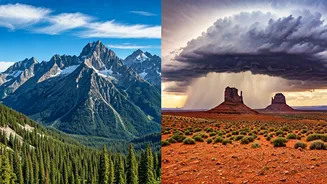
The choice between mountains and monsoon is ultimately a choice of pace and purpose. The mountain trip is for those who want to feel their lungs and legs work. It’s about physical exertion rewarded with panoramic views and a tangible sense of getting somewhere. Your daily schedule is dictated by your own ambition: how far to hike, which peak to photograph, how early to start. It’s a vacation of empowerment and personal challenge. The monsoon trip, by contrast, is a lesson in surrender. It’s for those who find beauty in weather and wonder in the sky. Your schedule is dictated by the elements. You plan your mornings around outdoor activities and your afternoons around the near-certainty of a storm. It’s a meditative experience, encouraging you to slow down, look up, and appreciate a force of nature far bigger than yourself. One trip is about what you can do; the other is about what you can witness.
How to Plan Your June Escape
For a mountain adventure, focus on logistics. Destinations like Aspen, Colorado, or Park City, Utah, offer extensive trail networks. Check with local ranger stations or hiking apps for current trail conditions, as some high-elevation routes may still have snow. Book accommodations in advance, as June marks the beginning of the popular summer season. Pack layers: a sunny 70-degree day can quickly turn chilly. For a monsoon experience, the key is choosing the right vantage point. Look for hotels or rental properties in southern Arizona or New Mexico that have covered porches, large windows, or westward-facing patios. Safety is paramount: remember that monsoon storms can produce dangerous lightning and flash floods. Heed all local weather warnings, never cross a flooded wash, and enjoy the storms from a safe, sturdy structure. The goal is to be a spectator, not a participant in the storm's power.