


Beyond the Postcard Views
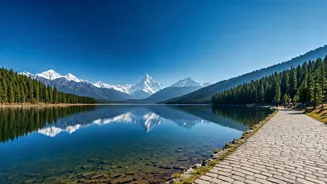
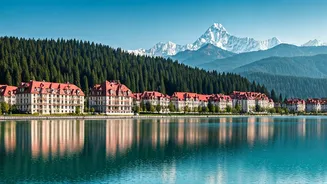
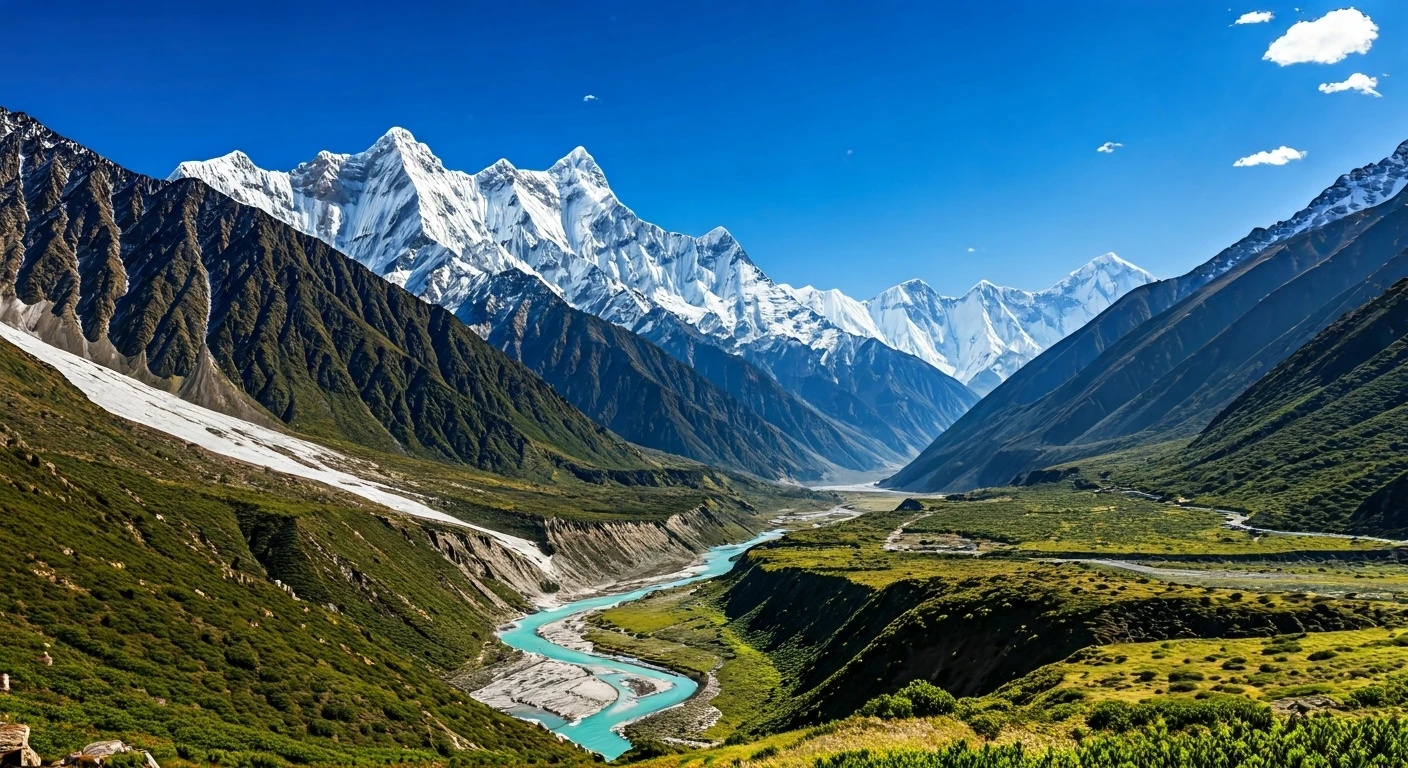
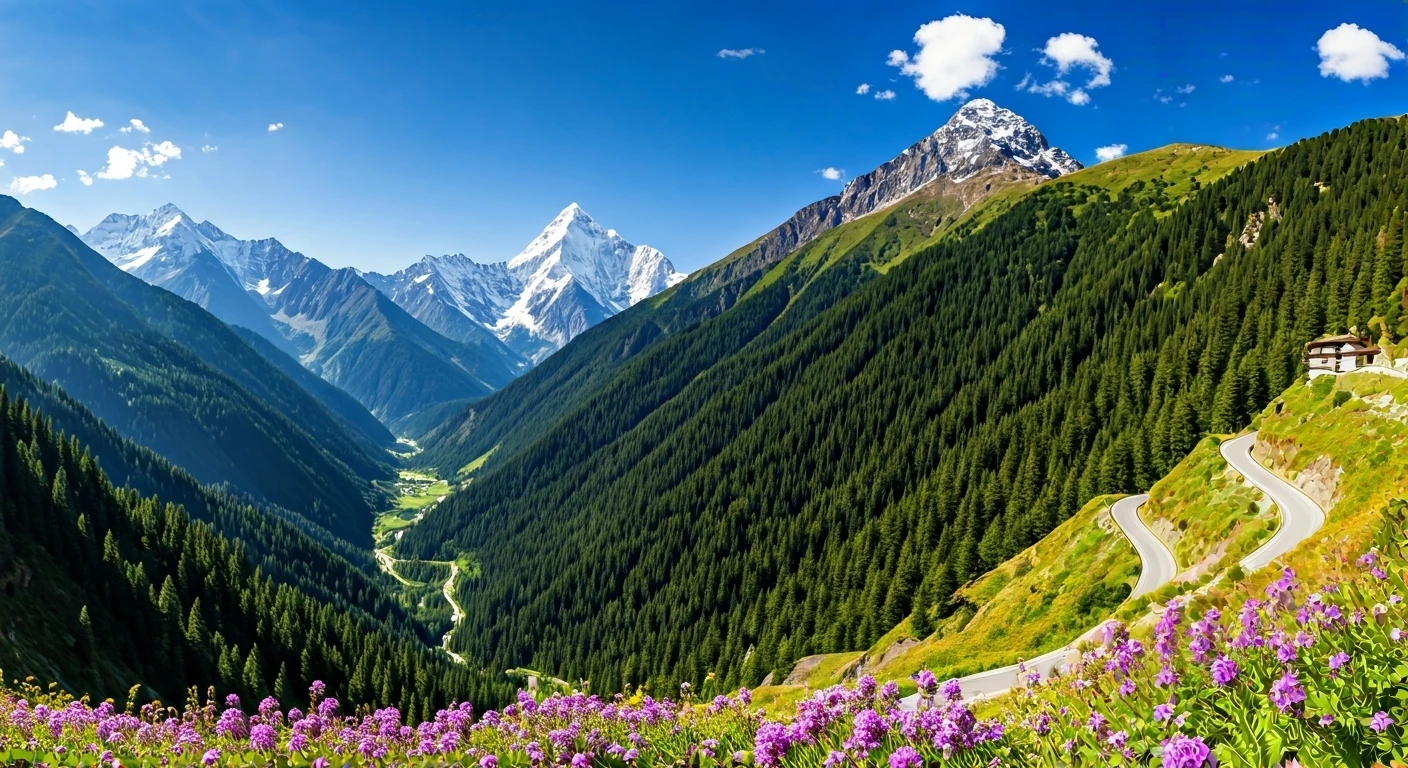
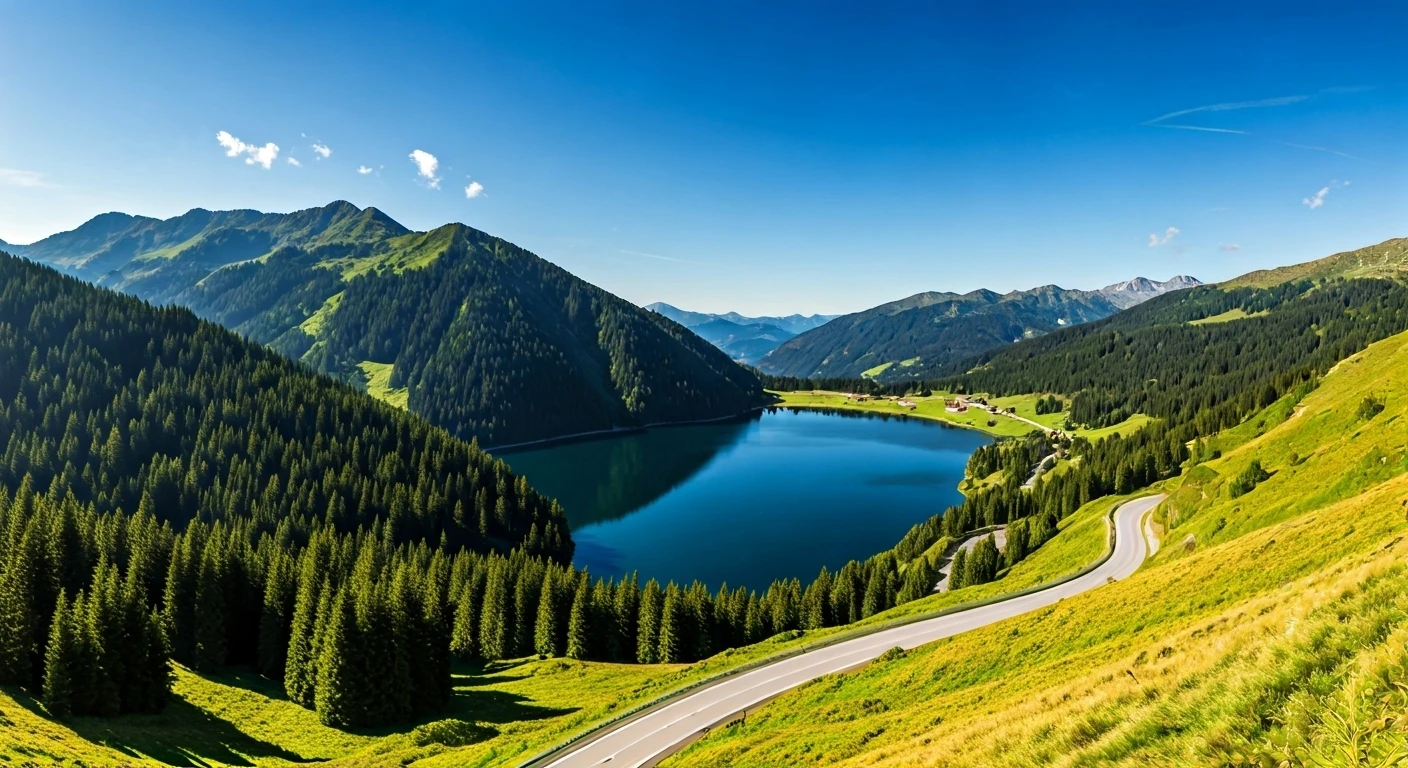
Nainital is a jewel of India’s Uttarakhand state, a crescent-shaped lake cupped by forested Himalayan peaks. For generations, travelers have flocked here for paddle boats, hillside strolls, and crisp mountain air. But beyond the bustling market and familiar
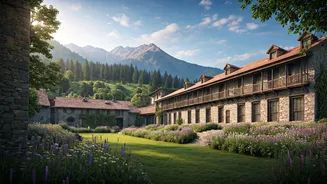
tourist circuit lies a deeper experience, one found not on a map, but on a menu. The real story unfolds when you leave the crowded town center and head for the quieter slopes, where boutique guesthouses and heritage homestays are redefining luxury. Here, the ultimate amenity isn’t a sprawling pool, but a seat at a table set with the forgotten foods of the Kumaon region.
An Introduction to Kumaoni Cuisine
For the uninitiated, Kumaoni food is a revelation. This isn't the creamy, heavy fare of mainstream North Indian restaurants that many Americans might be familiar with. Instead, it’s a rustic, nutrient-dense cuisine shaped by the rugged landscape. Based on locally grown lentils, hardy millets, and foraged greens, Kumaoni cooking is a testament to sustainable, farm-to-table principles that have been practiced for centuries. Key ingredients include *bhatt* (a local black soybean), *gahat* (horse gram), and *madua* (finger millet), each bringing a distinct, earthy flavor. The preparations are simple yet profound, often slow-cooked over a wood fire, seasoned with fresh herbs, and served with minimal fuss, letting the quality of the ingredients speak for itself.
The Main Event: Dinner Is Served
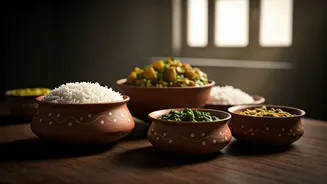
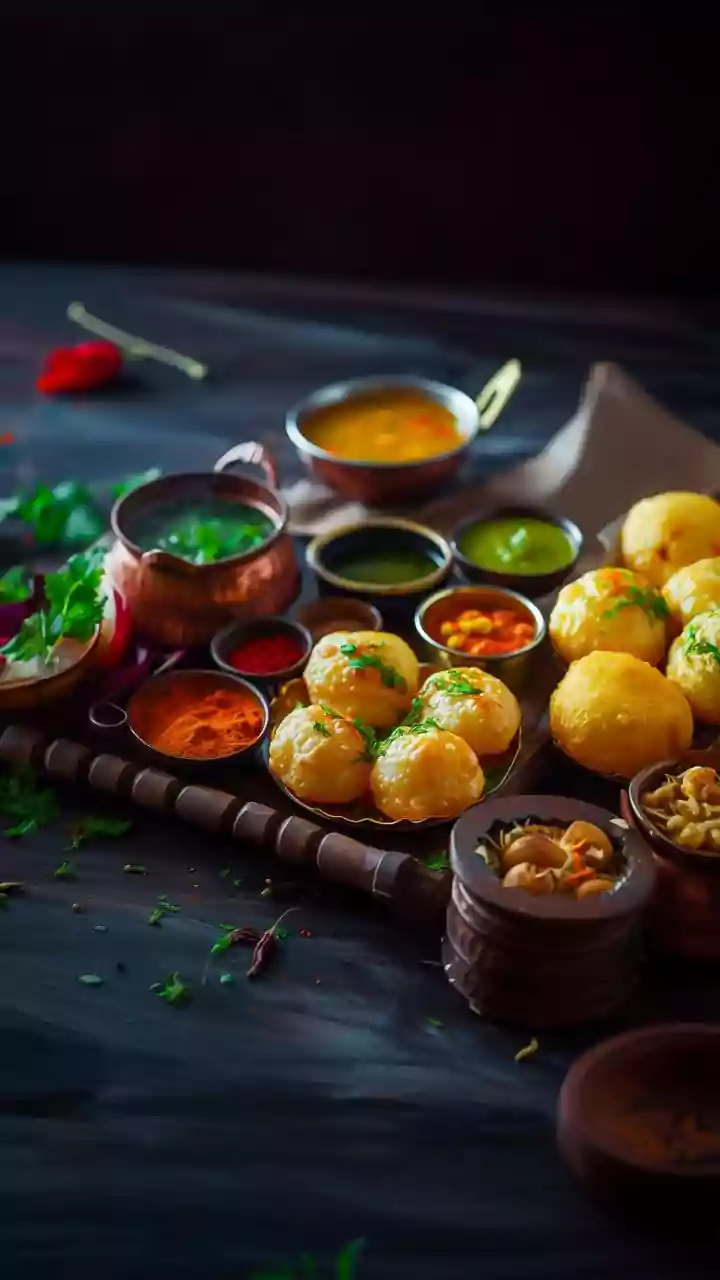
Imagine this: the sun has dipped below the peaks, the air grows cool, and you’re seated on a veranda overlooking a valley of twinkling lights. The meal begins. A server, often the host themselves, presents a thali—a platter showcasing a dozen small bowls. There’s *bhatt ki churkani*, a smoky, soupy black bean curry with the consistency of a rich stew, its deep flavor telling a story of the iron pot it was cooked in. Alongside it sits *aloo ke gutke*, chunks of boiled potato tossed with toasted coriander seeds, turmeric, and fiery red chilies. You scoop it up not with a naan, but with a piece of *madua ki roti*, a dense, dark flatbread made from finger millet that has a nutty, slightly sweet taste. A dollop of *bhang ki chutney*, a tangy relish made from hemp seeds (don't worry, it's non-narcotic), adds a sharp, bright counterpoint to the earthy flavors. Each bite is a discovery, a complex blend of textures and tastes that feels both ancient and entirely new.
More Than Just a Meal
This kind of food-forward stay offers more than just a good dinner; it’s an education. Hosts are passionate about sharing their heritage, explaining how *gahat* soup is traditionally used to combat the cold or how *bichu ghas* (stinging nettle) is carefully prepared to become a delicious and nutritious side dish. The meal becomes a narrative, connecting you to the local ecosystem, the agricultural calendar, and the generations of Kumaoni people who have perfected this art of living off the land. It transforms you from a tourist into a guest, a passive observer into an active participant in the region's cultural life. You leave not just with photos of the lake, but with a memory of flavors that are impossible to replicate and a genuine connection to the place.