


More Than Just Books
If your mental image of a library is a dusty, silent hall where a stern librarian shushes anyone who breathes too loudly, it’s time for an update. The modern American library is a vibrant community hub that has evolved far beyond its original mission.
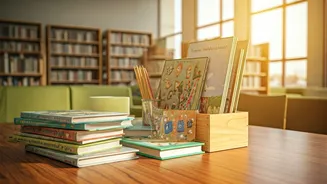
While the endless, glorious stacks of books remain its foundation, they are now just the opening act. Today’s libraries are dynamic spaces offering free access to Wi-Fi, computers, 3D printers, recording studios, and even tool-lending programs. For a kid, this means the library isn’t just a place to get a story; it’s a place to create one. They can learn to code, edit a video, or join a robotics club—all under the same roof and, crucially, for free. It transforms a simple outing into a discovery zone, satisfying a child’s curiosity without requiring a parent’s credit card.
The Ultimate Summer Slide Stopper
Educators have long warned of the “summer slide,” the tendency for students to lose some of the academic gains they made during the school year over the long break. The library is the single most effective, and enjoyable, antidote. Summer reading programs are a staple of nearly every public library in the country, but they’ve been gamified and modernized. It’s not about joyless book reports anymore. Kids can earn prizes, attend themed parties, and meet authors. These programs cleverly disguise learning as fun, encouraging kids to read for pleasure. By keeping their brains active in a low-pressure environment, children maintain their literacy skills without feeling like they’re stuck in summer school. It frames reading as a reward, a lifelong gift that pays dividends far beyond the first day of school in the fall.
A Free ‘Third Place’ for Families
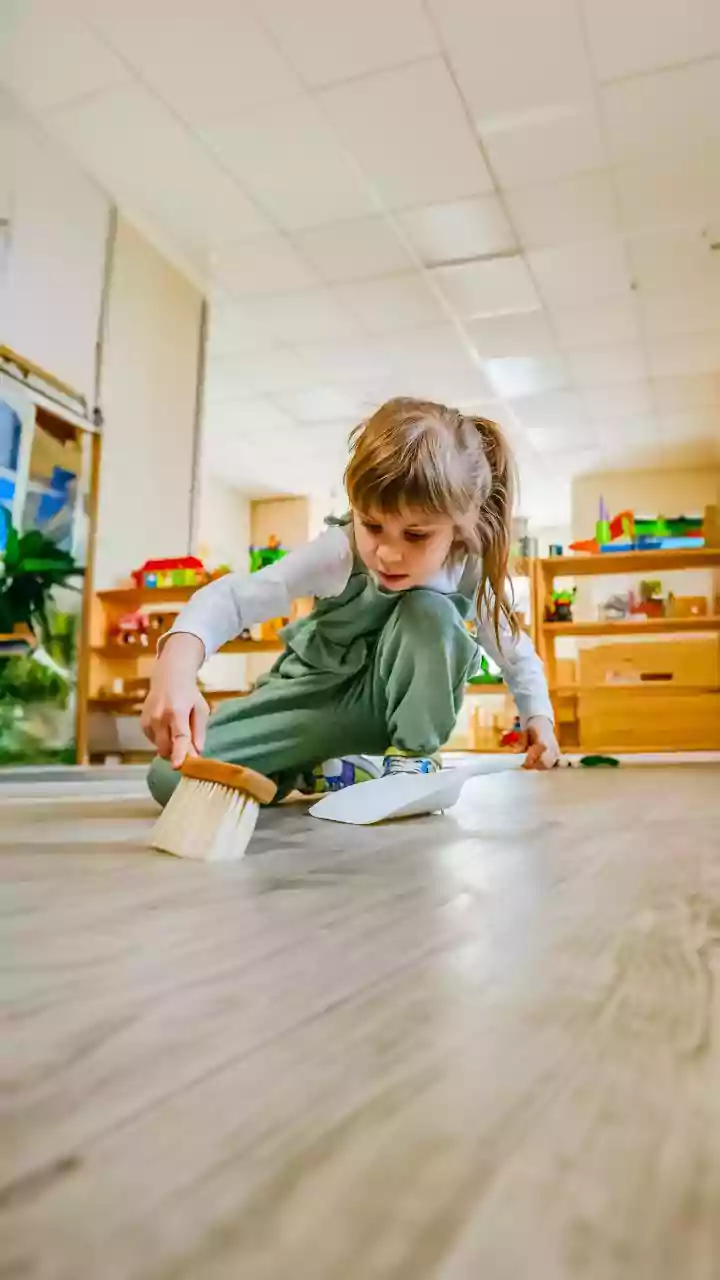
In sociology, a “third place” is a crucial community space outside of the home (the first place) and the workplace or school (the second). Think of cafes, parks, or community centers. For families, finding a welcoming third place that doesn’t cost money can be a challenge. The library is the perfect answer. It’s a clean, safe, and air-conditioned haven on a sweltering July afternoon. It’s a place where toddlers can attend a story hour while a teenager works on a project and a parent catches up on emails. It provides a sense of community and shared experience. Kids learn social cues—how to share space, use indoor voices (mostly), and interact with peers and community helpers like librarians. For parents, it can be a moment of blessed peace or a chance to connect with other local families, breaking the isolation that can sometimes creep into the long summer days.
Building Skills for the Whole Family
While the benefits for kids are obvious, the library is a win for parents, too. It’s a resource for continuous learning and personal development. Many libraries offer free workshops on everything from resume writing and financial literacy to learning a new language with apps like Mango or Libby. You can check out museum passes for a discounted family outing, borrow e-books and audiobooks for your own commute, or stream movies without paying for another subscription service. The library card is a key that unlocks a wealth of resources that make life easier, more affordable, and more interesting. By modeling a love of learning and resourcefulness, parents not only improve their own lives but also set a powerful example for their children.