

Beyond the Stereotype
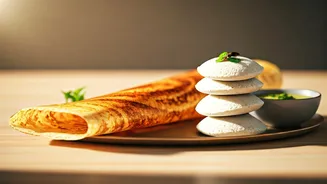
For years, the American understanding of South Asian food was often reduced to a few restaurant staples: rich, creamy curries, buttery naan, and fried samosas. Delicious, yes, but not exactly what you’d eat every day. This narrow view has long frustrated
members of the South Asian diaspora, who grew up on a much different, more varied diet—one that is coincidentally, and powerfully, aligned with today’s biggest health trends. Enter the “Desi glow-up.” This isn’t about inventing new dishes from scratch. It’s about reclaiming and reframing the everyday, home-cooked meals that have always been the backbone of South Asian cuisine. We’re talking about the simple, wholesome, and incredibly diverse world of dals, sabzis, and whole-grain rotis. These dishes, once seen as humble or old-fashioned, are now being celebrated for what they are: nutritional powerhouses packed with fiber, protein, and complex carbohydrates.
The Unsung Heroes of the Pantry
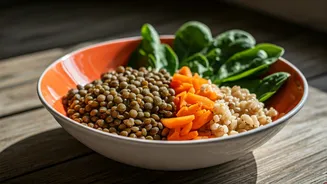
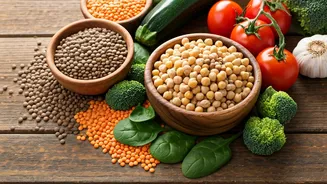
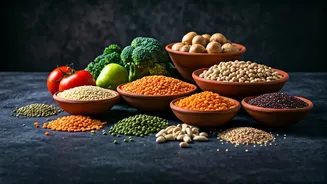
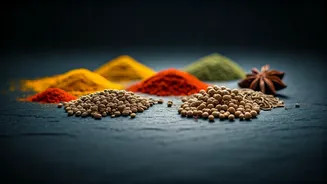
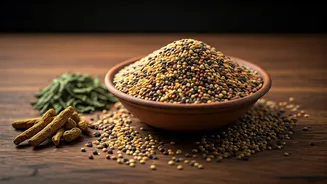
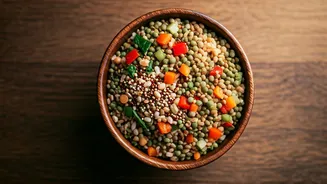
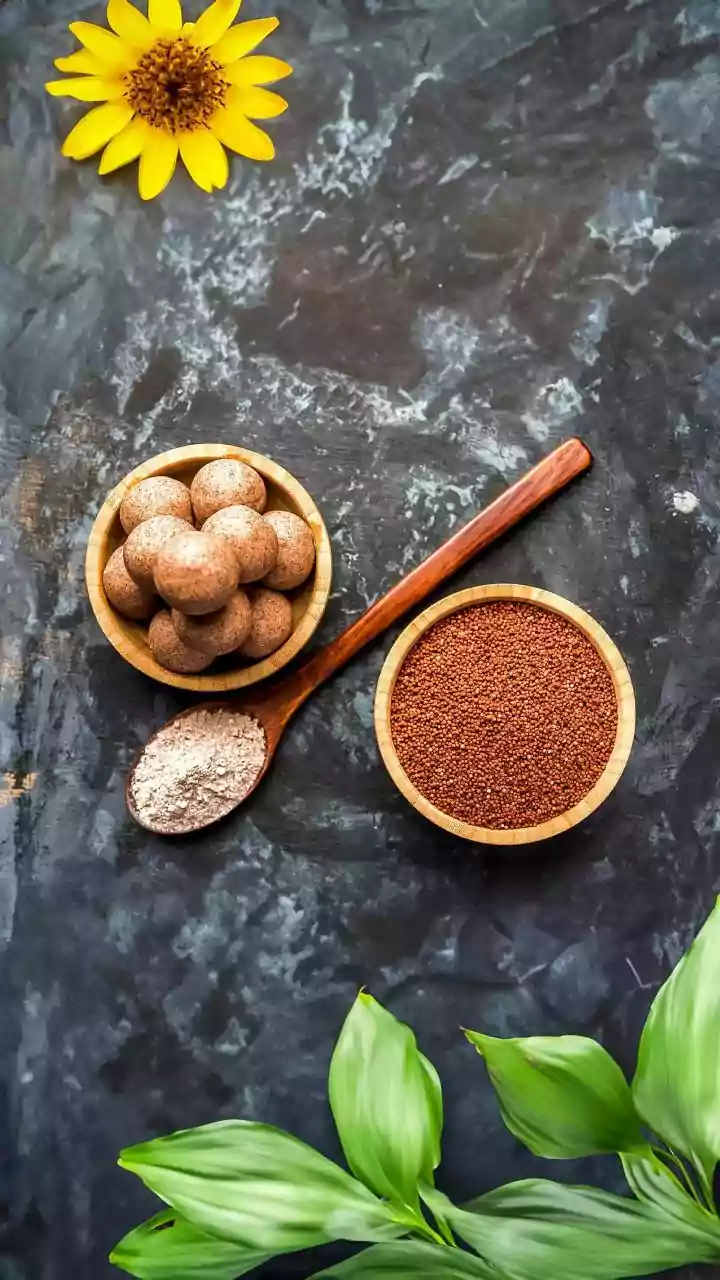
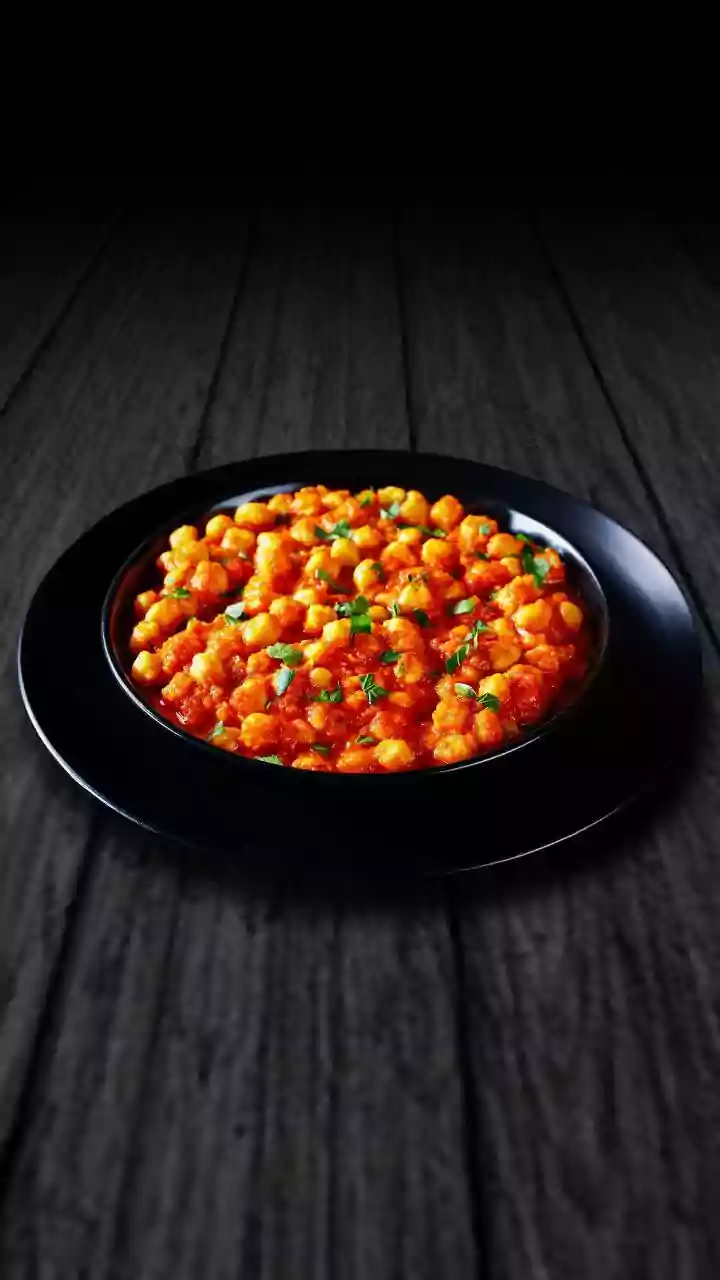
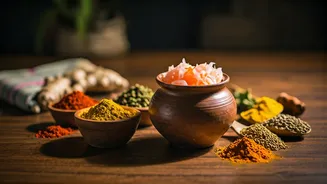
At the heart of this movement are the foundational ingredients of the Desi pantry, many of which are fiber superstars. Lentils, or dal, are the perfect example. A simple bowl of masoor dal (red lentils) or toor dal (split pigeon peas) can provide over half of your daily recommended fiber intake. Chickpeas, the star of chana masala, are another titan of texture and nutrition. But it doesn't stop with legumes. The variety of vegetables, or sabzis, is immense. Hearty gourds, leafy greens like spinach and mustard greens, okra, and eggplant are all cooked with fragrant spices that make eating your veggies feel like a treat, not a chore. And forget the refined white flour; traditional breads are often made from whole wheat (atta) or other ancient grains like millet (bajra) and sorghum (jowar). These grains are naturally high in fiber, supporting everything from digestive regularity to stable blood sugar. For millions, this wasn't a “diet”—it was just dinner.
Reclaiming a Culinary Identity
This glow-up is being driven by a new generation of South Asian American chefs, cookbook authors, and influencers. They are armed with a deep love for their heritage and the social media savvy to present it in a fresh, accessible light. People like author Priya Krishna, with her emphasis on Indian-ish home cooking, or Hetal Vasavada, who shares vibrant, modern takes on Gujarati food, are leading the charge. They’re not just sharing recipes; they're rewriting the narrative. They are challenging the perception that their food is “heavy” or “unhealthy” and are instead highlighting its inherent wisdom. This act of reframing is deeply personal. For many, it’s about taking pride in the lunchbox meals that may have once been a source of playground embarrassment. It’s a way of saying, “This food has always been good for us, and now the rest of the world is finally catching on.” The beautiful photography, modern branding, and clear health messaging make this ancient tradition feel new and exciting for a wider American audience.
Your Plate, Your Microbiome
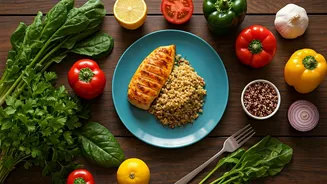
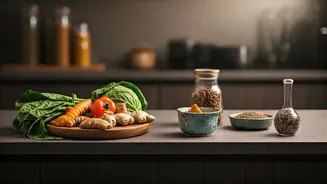
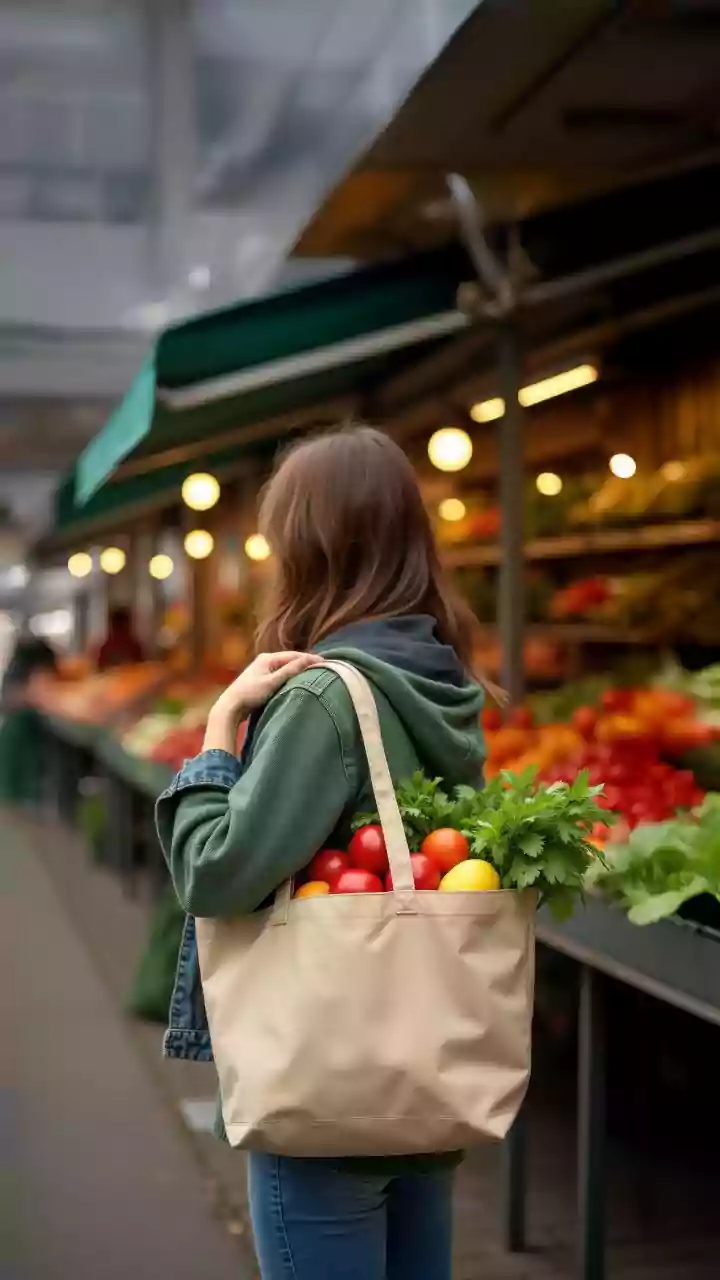
So, how does this translate to your kitchen? It's simpler than you think. You don't need to master complex techniques. The beauty of this trend is its focus on simple, rustic cooking. Start with a pot of dal. It’s forgiving, endlessly customizable, and one of the most comforting meals on earth. Explore the frozen and fresh vegetable aisles of a local South Asian grocery store—you’ll find ingredients like fenugreek leaves and bitter melon that offer unique flavors and health benefits. Instead of seeing it as an exotic culinary project, think of it as a template for plant-forward, fiber-rich eating. A scoop of lentils, a side of spiced vegetables, and a piece of whole-grain flatbread is a perfectly balanced meal that your gut will thank you for. This isn’t a restrictive fad; it’s an invitation to a more flavorful and nourishing way of eating that has stood the test of time.