
First, Why Are We Craving the Past?
Before we get into the tassel-fringed details, let’s talk about the “why.” In a world of digital burnout, endless zoom calls, and global uncertainty, our homes have become our sanctuaries. We’re no longer looking for a space that’s simply Instagram-perfect;
we’re seeking emotional comfort, stability, and a sense of personal history. Nostalgia provides an instant shortcut to those feelings. It’s a psychological anchor. Surrounding ourselves with objects and styles that remind us of simpler, happier times—real or imagined—is a powerful form of self-care. This isn’t about living in the past, but about borrowing its best feelings to make the present more bearable and beautiful.
The Groovy '70s Get a Second Life
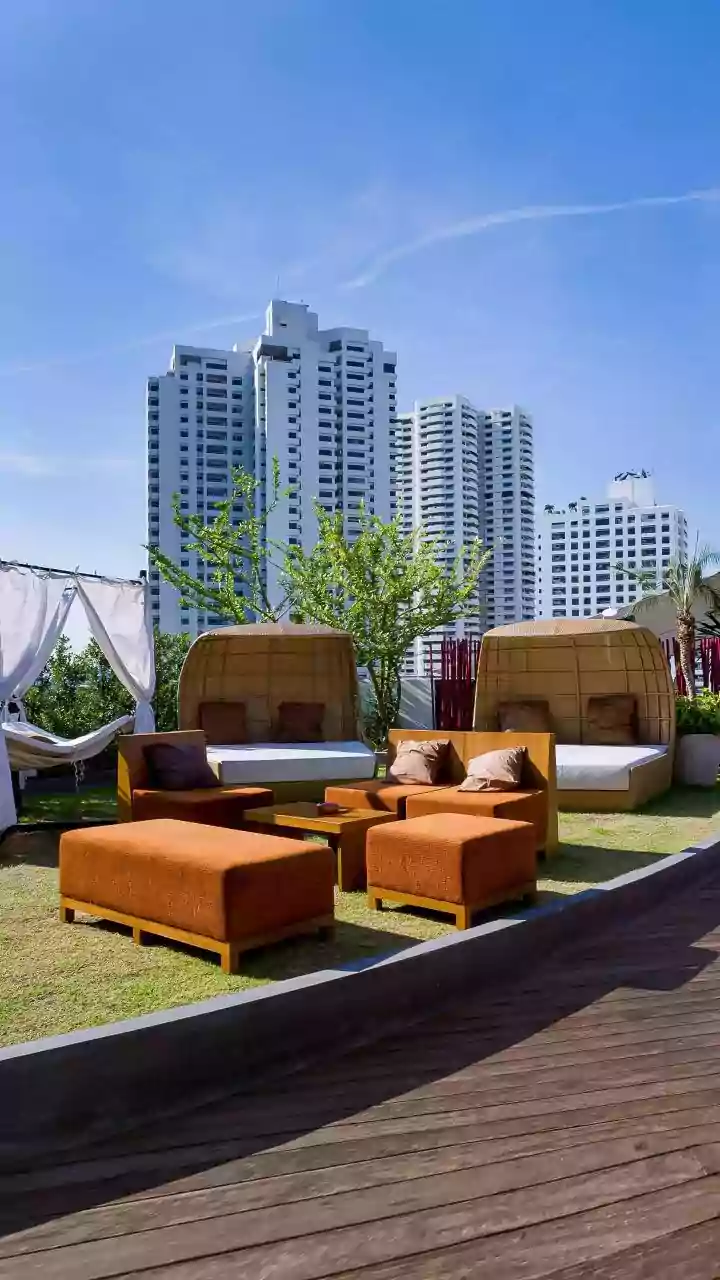
One of the biggest players in this nostalgic wave is the 1970s. But forget the scratchy polyester and questionable shag carpets of your nightmares. The 2026 version is a sophisticated update. Think low-slung, curvaceous sofas that invite you to lounge for hours, often arranged in conversation pits that encourage face-to-face connection. Colors are warm and earthy: terracotta, mustard yellow, olive green, and rich browns. Textures are key, with rattan furniture, macrame wall hangings, and plush velvet fabrics taking center stage. The mood is relaxed, organic, and a little bit bohemian, a direct rebellion against the rigid lines and cold surfaces that have dominated for years.
Grandmillennial: Your Grandmother's Style, But Cooler
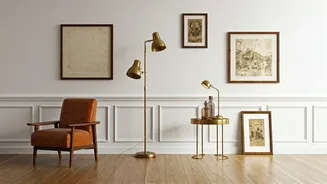
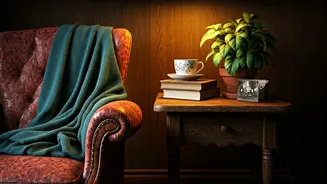
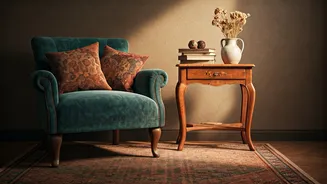
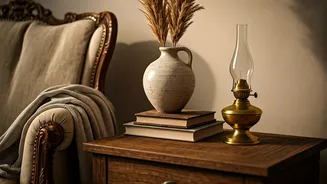
On the other end of the spectrum is the “Grandmillennial” or “Granny Chic” aesthetic, which lovingly embraces the things we once thought were stuffy. This is a celebration of classic, maximalist comfort. We're talking floral chintz wallpaper, pleated lampshades, ruffled throw pillows, and dark wood furniture with character. It’s about layering patterns, collecting porcelain, and proudly displaying needlepoint art. What keeps it from feeling dated is the modern, self-aware curation. A vintage oil painting might hang next to a contemporary abstract print. The key is the mix: it’s traditional without being rigid, a style built on inherited pieces, thrift store finds, and a love for stories.
The Rise of the 'Analog' Room
This nostalgic mood isn’t just about aesthetics; it’s about behavior. A significant part of this trend is designing spaces that encourage analog activities. The floor-to-ceiling bookshelf, once replaced by a Kindle, is making a triumphant return as a major design feature—a “bookshelf wealth” statement that values knowledge and physical media. We’re seeing dedicated music corners with vinyl record players and comfortable listening chairs. Hobby rooms, craft nooks, and cozy reading corners are being carved out of living spaces. These areas are an intentional pushback against the all-in-one, screen-based living we’ve grown accustomed to, creating tangible escapes within our own four walls.
A Touch of Y2K Optimism
While the '70s and '80s offer cozy comfort, a more niche but growing micro-trend is pulling from the recent past: the Y2K era of the late '90s and early 2000s. This isn't about butterfly clips and low-rise jeans in your decor, but about capturing the playful, tech-optimistic vibe of the time. Think translucent materials (like acrylic or colored glass), bubbly and rounded shapes, and pops of iridescent or silvery finishes. It might manifest as a blob-shaped mirror, an inflatable-style ottoman, or a lava lamp used without a hint of irony. It’s a fun, slightly futuristic nostalgia that adds a layer of quirky personality without overwhelming a room.