


More Than Just Mud
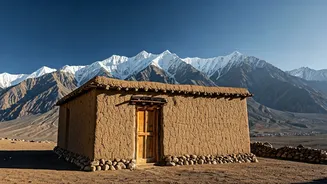
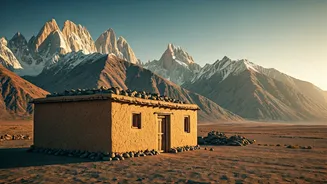
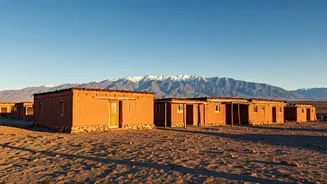
When you hear “mud cottage,” you might picture something primitive. But in the high-altitude desert of Ladakh, this is the architecture of ingenuity. For centuries, Ladakhis have built their homes, or *khangpas*, from sun-dried mud bricks and rammed earth.
This isn’t a trendy design choice; it’s a brilliant, time-tested solution for survival and comfort in a land of extremes. The thick walls act as natural climate control, absorbing the sun’s heat during the day to keep interiors warm through the frigid nights. In the summer, they remain cool and pleasant. Far from being rustic, these homes feel elemental and deeply comforting, their rounded corners and organic textures a welcome contrast to the sharp lines of modern construction. Staying in one feels less like a step back in time and more like a step into a more harmonious way of living with the environment.
The True Meaning of 'Off-Grid'
In the American imagination, “off-grid” often conjures images of solar-paneled cabins in the Montana wilderness or survivalist bunkers. In Ladakh, the term finds a gentler, more profound meaning. It’s less about technological independence and more about intentional disconnection. Wi-Fi is spotty at best and often nonexistent. Your phone becomes a camera, not a portal to your email inbox. Power, often supplied by a few solar panels, is a precious resource used for essentials, not for late-night Netflix binges. The rhythm of the day is dictated by the sun, not a digital calendar. This forced digital detox, unsettling for the first few hours, soon gives way to a profound sense of presence. You notice the shifting light on the mountains, the taste of the fresh apricot jam at breakfast, and the genuine smiles of your hosts. It’s an escape not just from the grid, but from the relentless hum of modern anxiety.
A Landscape That Demands Stillness
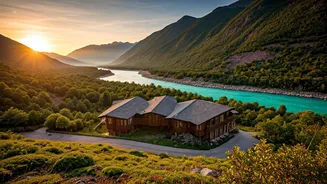
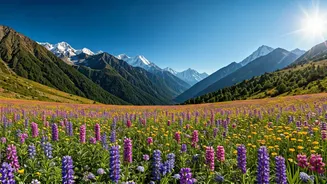
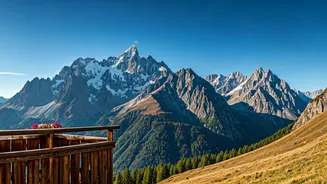
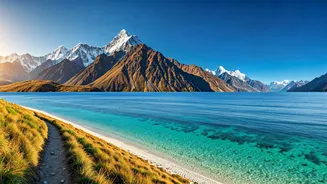
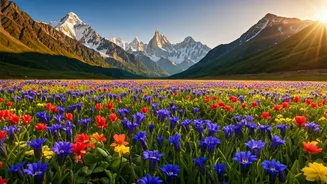
Ladakh, often called the “Land of High Passes” or “Little Tibet,” is a place that defies easy description. Nestled between the Karakoram and Himalayan ranges, it’s a starkly beautiful moonscape of barren mountains, deep blue lakes, and vibrant green valleys that unfurl along the Indus River. The scale is almost incomprehensible. The vastness of the landscape has a humbling effect, shrinking your worries to their proper size. It’s not a place for rushing. The high altitude (most of the region sits above 10,000 feet) forces a slower pace, compelling you to walk, breathe, and simply be. The quiet of a mud cottage becomes the perfect theater for the drama unfolding outside your window: the shadow of a cloud moving across a mountainside, a herd of pashmina goats grazing in the distance, or the Milky Way blazing across a night sky free from light pollution.
Hospitality as a Way of Life
Perhaps the most enriching part of the experience is that these cottages aren’t isolated rental units. Many are part of family-run homestays, a model of sustainable tourism that has flourished in the region. You aren’t a tourist kept at arm's length; you’re a guest, welcomed into the heart of a Ladakhi family. Meals are a communal affair, featuring delicious, locally grown food like steaming bowls of *thukpa* (noodle soup) or freshly baked *khambir* bread. Conversations, often a mix of broken English, gestures, and laughter, offer a window into a culture rooted in community and Tibetan Buddhist values. This form of travel ensures your money directly supports the local economy, empowering families to preserve their heritage and homes rather than selling out to large-scale hotel developers. It transforms a simple vacation into a meaningful cultural exchange.