



More Than Just Decoration
The rise of the indoor zen garden is about more than just a passing decor trend. For many living in dense urban environments, it represents a tangible connection to nature and a powerful tool for mindfulness. These miniature landscapes, often featuring
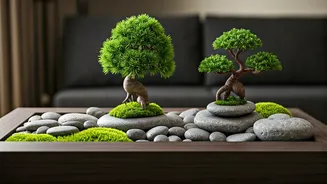
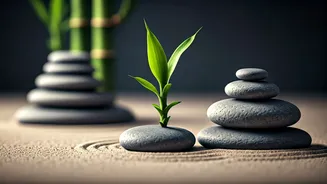
carefully arranged pebbles, minimalist bamboo stalks, and raked sand or gravel, are a modern nod to the ancient Japanese karesansui (dry landscape gardens). While traditional gardens are sprawling outdoor creations, this contemporary version is perfectly scaled for an apartment windowsill, a coffee table, or a quiet office corner. It answers a growing desire to disconnect from digital noise and reconnect with something tactile, tangible, and tranquil. The goal isn't just to have something beautiful to look at, but to create a focal point for calm in the middle of everyday chaos.
The Psychology of Calm
There's a reason these simple arrangements feel so restorative. The practice taps into the principles of biophilic design—the idea that humans have an innate tendency to seek connections with nature. Studies have shown that even indirect exposure to natural elements can reduce stress, improve focus, and elevate mood. The smooth, cool feel of river pebbles, the organic lines of bamboo, and the repetitive motion of raking sand into patterns can be a deeply meditative act. Each element is symbolic: the sand or gravel represents water, the larger stones represent mountains or islands, and the bamboo represents life and resilience. Engaging with these elements, even for a few minutes a day, provides a sensory break that can help quiet a racing mind and ground you in the present moment.
The Core Elements
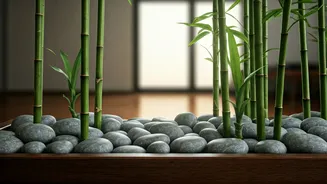
Creating your own indoor zen garden is an exercise in intentional simplicity. The beauty lies in the interplay between a few key components. * **Pebbles & Stones:** These are the foundation. Use a mix of smooth, dark river pebbles and a few larger, more distinctive rocks. The stones provide weight and permanence, acting as anchors for the entire composition. They are meant to be contemplated, not just seen. * **Bamboo:** While traditional gardens often use moss or shrubs, the modern indoor version frequently favors a few stalks of lucky bamboo (*Dracaena sanderiana*). It's hardy, requires minimal light, and can grow in water, making it ideal for indoor settings. Its vertical lines add a sense of life and upward growth, balancing the stillness of the stones. * **Sand or Fine Gravel:** This is your canvas. White or light-colored sand provides a stark, clean contrast to the dark pebbles. A small, custom-made rake is used to create patterns—ripples for water, straight lines for stillness—which is a core part of the meditative practice. The act of raking is as important as the final result.
Making It Your Own
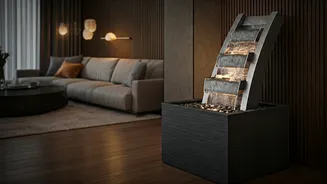
You don't need a lot of space to embrace this trend. A small, shallow ceramic or wooden tray is the perfect container for a desktop garden. For a larger statement, a low-profile planter box can transform an underused corner of a living room. When choosing your container, opt for natural materials and neutral colors like black, charcoal, or earth tones to keep the focus on the garden itself. Don’t overcrowd the space. The concept of *Ma*, or negative space, is crucial. The empty areas are just as important as the objects within them, allowing each element to breathe and be appreciated. Feel free to incorporate other small elements, like a single air plant or a tiny figurine, but resist the urge to add clutter. The power of a zen garden lies in its restraint.