


The Search for the ‘Broken-Plan’
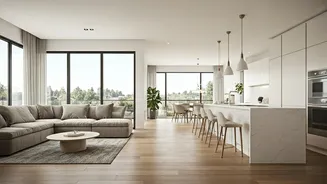
The reign of the great room—a vast, open space combining the kitchen, living, and dining areas—is beginning to wane. While it was once the pinnacle of modern living, the reality of life, especially in a post-2020 world, has exposed its flaws. When your
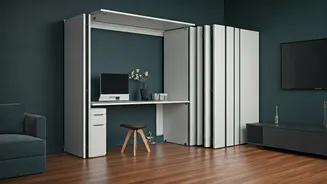
home is also your office, your gym, and your kid’s classroom, a single, echoey space can feel chaotic and distracting. Architects and designers are now championing the ‘broken-plan’ or ‘zoned’ layout. The goal isn’t to return to a warren of small, dark rooms, but to create distinct functional areas without sacrificing the flow and light that made open plans so appealing in the first place. Sliding translucent dividers are the star players in this new approach, offering the best of both worlds: separation when you need it, and openness when you don’t.
Harnessing the Power of Diffused Light
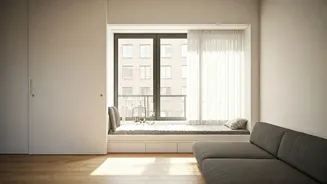
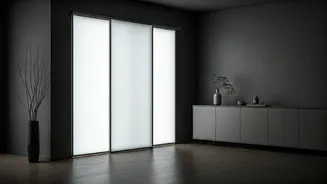
Arguably the most significant benefit of these dividers is their relationship with light. Unlike a solid wall, a translucent panel allows natural light to filter deep into a home’s interior, reducing the need for artificial lighting and fostering a connection to the outdoors. Materials like frosted or fluted glass, polycarbonate panels (like those used in greenhouses and modern facades), and contemporary takes on Japanese shoji screens create a soft, ethereal glow. This diffused light is gentler and more pleasing than harsh, direct sunlight. It illuminates a space without creating glare, making rooms feel larger, calmer, and more welcoming. It's a biophilic design principle in action—using light to enhance well-being and create healthier indoor environments.
Ultimate Flexibility for Modern Living
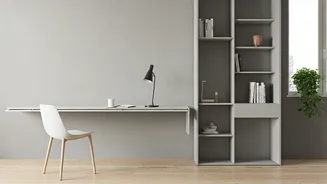
The modern home needs to be a shapeshifter. A space that serves as a quiet reading nook in the morning might need to become a private home office for a video call by afternoon, and then part of a larger entertaining area by evening. Sliding dividers make this effortless. A large studio apartment can be partitioned to create a distinct sleeping area without building a permanent, light-blocking wall. A section of a living room can be elegantly closed off to hide workout equipment or create a temporary guest room. This adaptability is the trend’s superpower. It allows homeowners to customize their space on a daily basis, responding to their immediate needs rather than being constrained by a fixed architectural floor plan.
An Element of Quiet Luxury
Beyond pure function, these dividers are a powerful aesthetic statement. They add a layer of architectural interest, texture, and sophistication. A floor-to-ceiling panel of fluted glass or a sleek, minimally framed polycarbonate sheet acts as a sculptural element within a room. The interplay of light and shadow through the material creates a dynamic visual effect that changes throughout the day. This trend dovetails perfectly with the rise of “quiet luxury” and design movements like Japandi (a hybrid of Japanese and Scandinavian styles), which prioritize craftsmanship, natural materials, and serene, uncluttered spaces. A translucent divider is not just a wall; it's a piece of kinetic art that elevates the entire character of a home.