






The 'SpaceX Effect' Goes Global
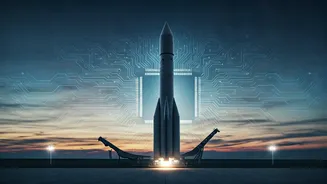
Think about how SpaceX changed the game in the United States. By partnering with NASA, it broke the government's monopoly on space access, driving down costs and accelerating innovation. Now, a similar transformation is happening 8,000 miles away. In
2020, the Indian government made a pivotal decision to open its historically state-controlled space sector to private companies. Before this, the Indian Space Research Organisation (ISRO)—a highly successful agency famous for its cost-effective Mars mission—was the only game in town. The policy shift was a starting gun. It effectively invited a generation of ambitious engineers and entrepreneurs to build their own space companies, with ISRO shifting from the sole player to a supportive partner, offering its facilities, expertise, and launch infrastructure. This created fertile ground for a startup ecosystem to explode, mirroring the public-private model that made the American commercial space industry a global force.
Meet the New Trailblazers
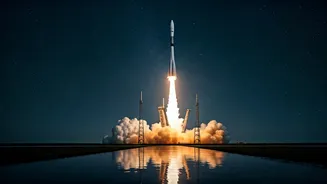
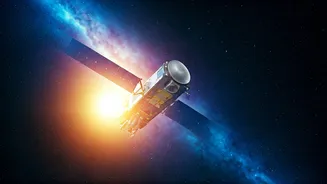
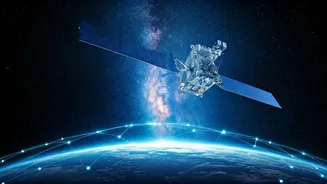
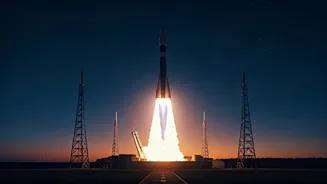
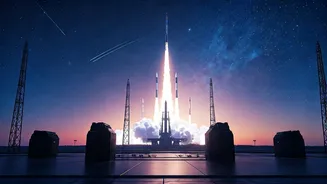
This isn't just a theoretical boom; real companies are already making history. Take Skyroot Aerospace. In late 2022, it became the first Indian private company to launch a rocket into space with its Vikram-S vehicle. It was a suborbital flight, but the message was clear: the private sector had arrived. Then there's Agnikul Cosmos, a startup co-founded by an engineer who worked on Wall Street. The company is developing rockets with fully 3D-printed engines, a manufacturing technique that dramatically cuts production time and cost. Their goal is to offer on-demand satellite launches. Another key player, Pixxel, isn't building rockets at all. It's focused on what goes inside them: satellites. Pixxel is deploying a constellation of hyperspectral imaging satellites that can see the Earth's surface in far more detail than standard cameras. This data has immense commercial value for agriculture (monitoring crop health), mining (identifying mineral deposits), and climate science (tracking pollution and environmental changes). These companies aren't just copycats; they're innovating in distinct, high-value niches.
Why Now? Policy, Talent, and Cost
This surge isn't an accident. It's the result of a perfect storm of factors. The 2020 policy liberalization was the most critical piece, creating the legal and regulatory framework for private enterprise to thrive. But the foundation was already there. India has a massive pool of highly skilled STEM talent, with world-class engineering institutes producing graduates who once might have gone to work for NASA or Silicon Valley. Now, they have a compelling reason to stay and build at home. The third, and perhaps most significant, advantage is cost. Indian engineering is renowned for its 'frugal innovation'—the ability to achieve complex technical feats on a shoestring budget. ISRO's Mars orbiter, for example, cost less to make than the movie *Gravity*. India's space startups are inheriting this DNA, enabling them to develop rockets, satellites, and software at a fraction of the cost of their Western counterparts. This makes them incredibly competitive, especially in the booming market for small satellite launches.
The New Global Space Economy
For American and European companies, the rise of India's space sector isn't just a curiosity; it's a market-altering development. It means more competition, which can drive down launch costs for everyone. A U.S. company looking to deploy a satellite constellation might find an Indian launch provider to be the most economical option. It also means new opportunities for collaboration. Western venture capital is already flowing into Indian space-tech, and established aerospace giants are watching closely for potential partnerships and acquisitions. This isn't a zero-sum game. The global demand for space-based services—from satellite internet like Starlink to the Earth-observation data provided by companies like Pixxel—is expanding so rapidly that there's room for many players. India's entry as a major private-sector force diversifies the global supply chain for space, making the entire ecosystem more resilient and dynamic.