


Beyond the ‘Global Modern’ Look
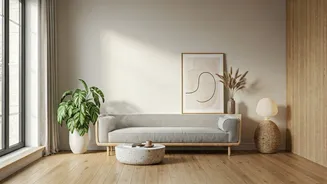
Walk into a stylish, new-build apartment in Mumbai or Bengaluru a decade ago, and you might have felt you could be anywhere from Stockholm to San Francisco. The aesthetic was a familiar one, promoted by global platforms like Pinterest and Instagram: clean
lines, neutral palettes, and a general sense of uncluttered, Scandinavian-inspired minimalism. It was chic, aspirational, and easy to replicate. But for many, it also felt increasingly impersonal, a generic backdrop that erased local identity in favor of a universally accepted—and mass-produced—vision of modernity. This “global modern” look, while clean, began to feel sterile. It spoke a language of efficiency but lacked a dialect. In a country with one of the world's richest and most diverse craft heritages, living in spaces devoid of that history started to feel like a missed opportunity. Homeowners and a new generation of Indian designers began asking a critical question: Why should our homes look like they’re from a catalogue when they could tell a story that is uniquely ours?
A Search for Soul and Story
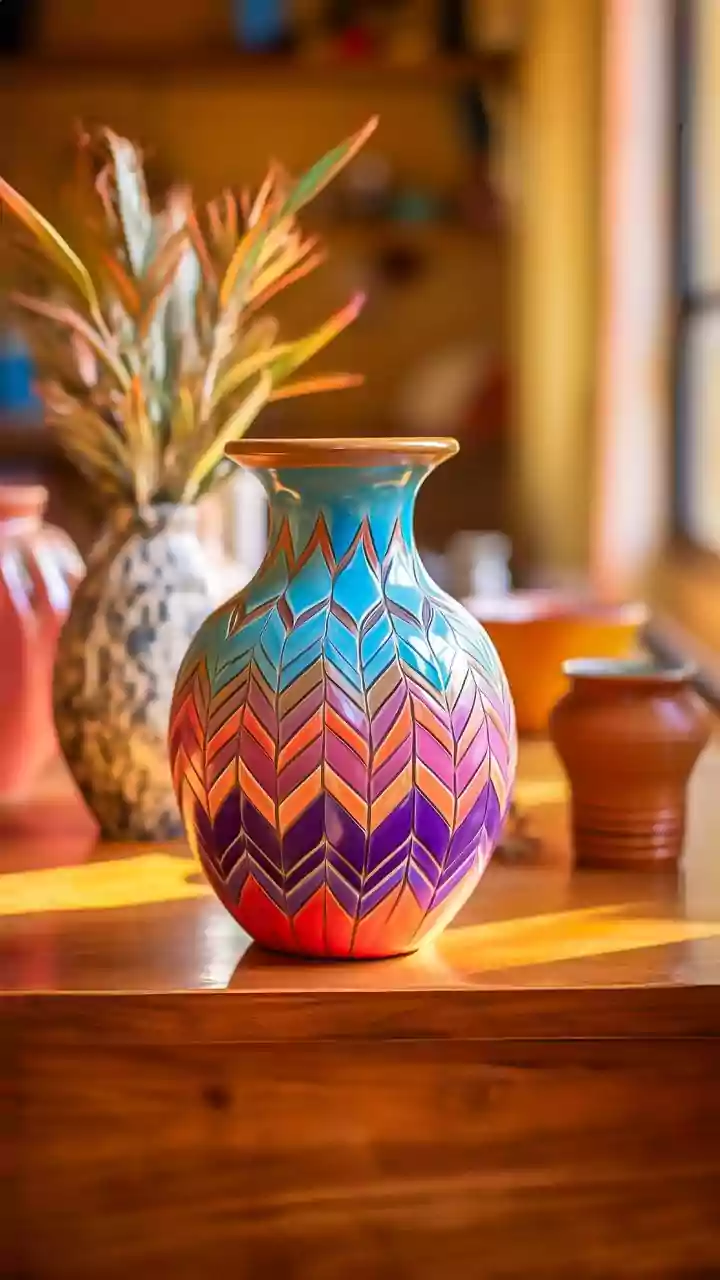
The return to artisan energy isn’t just about aesthetics; it’s a deliberate search for soul. In a fast-paced, digital world, there's a growing desire for objects with texture, history, and a human touch. An imperfect, hand-thrown ceramic pot feels more alive than a flawless, factory-made vase. A hand-carved wooden chest carries the mark of its maker in a way flat-pack furniture never can. This movement is a quiet rebellion against the sameness of globalization. For many urban Indians, especially millennials and Gen Z, this is also a way to connect with a heritage that might feel distant. They are rediscovering the crafts their grandparents took for granted, not as relics of the past, but as vital elements of a contemporary identity. A home filled with these pieces becomes a personal museum, a gallery of stories, and a celebration of lineage. It’s about creating a space that feels grounded, authentic, and deeply personal—a sanctuary from the noise of the outside world.
The Comeback Crafts
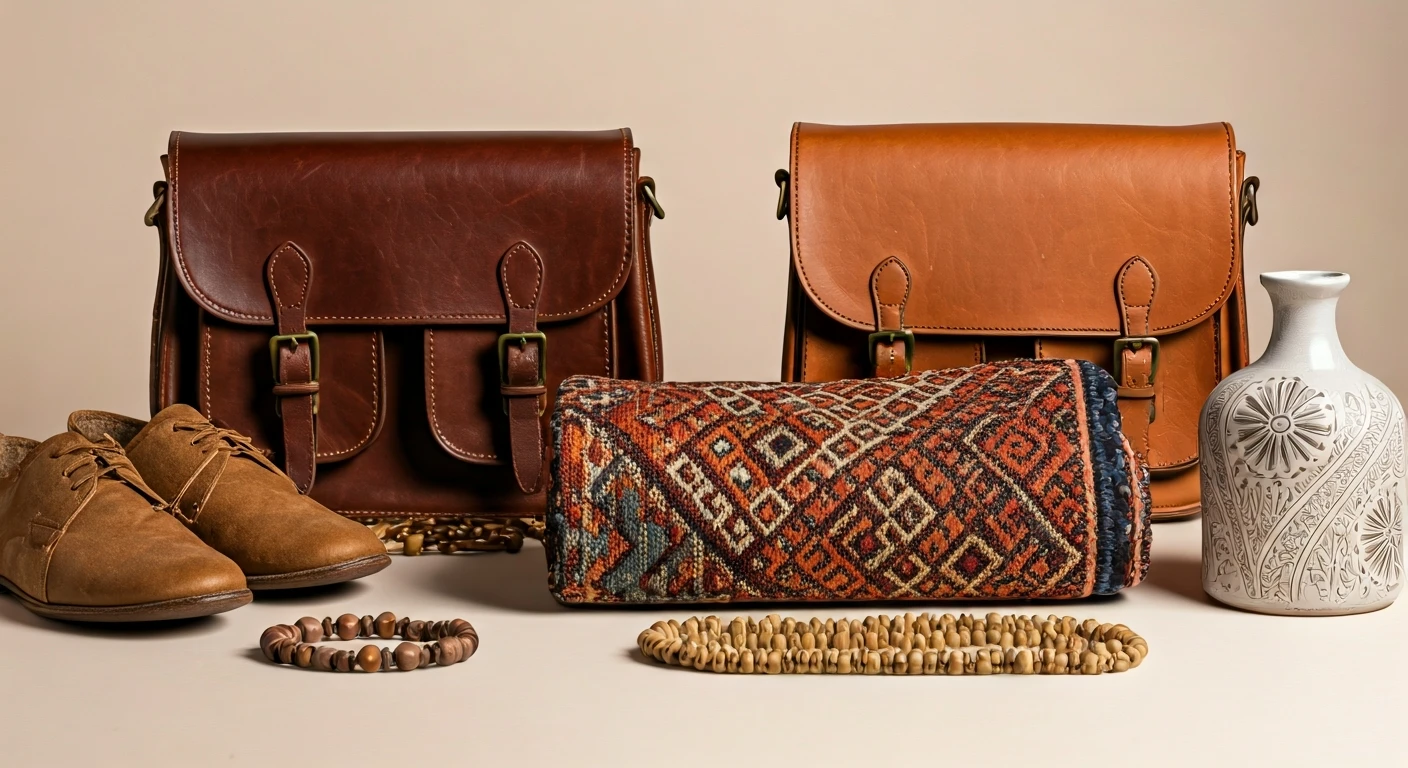
This revival is bringing a stunning array of traditional crafts back into the limelight. Instead of imported decor, homes are now featuring the burnished glow of Kansa metalwork from Gujarat and Odisha, with its unique matte finish and purported health benefits. Terracotta, the humble clay of the earth, is being reimagined in elegant water jugs, planters, and decorative tiles, lending a raw, earthy warmth to interiors. Textiles are leading the charge. Hand-block printed fabrics from Rajasthan, with their intricate floral and geometric patterns, are appearing on everything from cushions and curtains to entire upholstered sofas. The humble charpai—a simple woven cot—has been elevated from a rural staple to a chic daybed or bench. Intricately carved wooden panels, once confined to historic havelis (traditional mansions), are being incorporated as headboards, room dividers, or statement wall art. These are not museum pieces kept behind glass; they are lived with, touched, and used every day, infusing daily life with artistry.
Sustainable, Slow, and Local
This trend aligns perfectly with the global conversation around sustainability and conscious consumerism. Choosing artisan-made goods is often an ethical choice as much as it is an aesthetic one. It supports local craft communities, preserves generational skills that are at risk of disappearing, and promotes a “slow design” ethos. These objects are made from natural, locally sourced materials and are built to last, representing the antithesis of throwaway culture. By investing in a handcrafted piece, homeowners are not just buying a product; they are becoming patrons of an ecosystem. They are ensuring that a weaver, a potter, or a metalworker can continue their practice and pass it down. This creates a powerful connection between the consumer and the creator, transforming a simple transaction into a meaningful exchange. In this context, the “energy” of the home becomes one of reciprocity, community, and respect for both people and the planet.