






A Tradition Replanted
For generations, the 'kitchen garden' was an unremarkable feature of many Indian homes. A small patch of land out back, or a few pots near the kitchen door, provided a daily supply of essential herbs and vegetables: the fiery chilies for a tadka, the fragrant
curry leaves, the indispensable coriander. It was a practical, sustainable part of life. But as India urbanized at a breathtaking pace, apartments replaced houses with yards, and supermarkets offering year-round convenience displaced the need for home-grown produce. The practice didn't disappear, but for a growing urban middle class, it became a nostalgic memory rather than a daily reality. The return of the edible garden isn't just about planting seeds; it's about reclaiming a piece of that heritage in a modern context. It’s a conscious choice to bring a piece of the village into the high-rise.
The Push from The Supermarket Aisle
So why now? The resurgence is being driven by a powerful cocktail of modern anxieties. Chief among them is a deep-seated concern about food safety. Widespread reports and public awareness about the heavy use of pesticides, artificial ripening agents, and chemical fertilizers on commercially farmed produce have left many consumers wary. The glossy, perfect-looking tomato at the market might be beautiful, but what’s inside it? Growing your own offers a simple, powerful solution: total control. You know exactly what went into the soil and what didn't. Then there’s the economic pinch. In recent years, the prices of staple vegetables, especially fresh herbs and salad greens, have become notoriously volatile. A small bunch of coriander or mint can see its price triple overnight. For many, a few well-tended pots are not just a source of pleasure but a savvy financial move, providing a steady, free supply of ingredients that are expensive to buy and spoil quickly.
The Pandemic-Sized Catalyst
Like in much of the world, the COVID-19 lockdowns acted as a massive accelerant for home-based activities in India. Confined to their apartments, people sought meaningful ways to fill their time and connect with something real. While Americans were perfecting sourdough starters, many Indians turned to their balconies. Gardening offered a tangible, life-affirming project during a period of intense uncertainty and anxiety. It was a mental health balm, a way to nurture life when the world outside felt fragile. This pandemic-era hobby has since blossomed into a full-fledged lifestyle. People who started with a single basil plant are now cultivating dozens of varieties. Online communities and WhatsApp groups dedicated to urban farming have exploded, creating vibrant networks for swapping seeds, troubleshooting pests, and sharing the satisfaction of a home-grown harvest.
Not Your Grandma's Garden
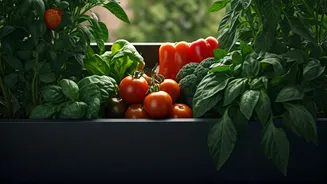
While the spirit is traditional, the execution is thoroughly modern. This isn't just about recreating the gardens of the past. Today’s urban Indian gardener is resourceful and tech-savvy. They are transforming tiny urban spaces—the 'terrace garden' is a common term for rooftop or balcony setups—into productive oases. They use vertical planters, hydroponic systems, and organic compost made from kitchen scraps. The produce itself reflects both tradition and a globalized palate. Alongside native essentials like brinjals (eggplant), lady's finger (okra), and countless varieties of gourds, you’ll find kale, lettuce, cherry tomatoes, and basil. It’s a fusion cuisine happening in the soil, providing ingredients for both a traditional dal and a modern pesto, often on the same day.