
A Reaction to Digital Perfection
The pendulum of interior design is swinging away from the sleek, impersonal aesthetic that has dominated social media feeds for the last decade. After years of living in perfectly filtered digital worlds and navigating the efficiencies of mass production,
we’re collectively craving something real. The rise of handmade decor is a direct response to this. It’s a return to the tangible, the tactile, and the deeply human. This isn't just about style; it's about psychology. In a world of algorithms and AI, a hand-thrown ceramic mug or a quilt stitched by a person, not a machine, serves as a grounding force. It’s a small, daily reminder of authenticity in an increasingly artificial landscape. This desire for comfort and connection, amplified by years of lockdown-era nesting, is setting the stage for a home environment that prioritizes feeling over flawless presentation.
It's All About Texture and Touch
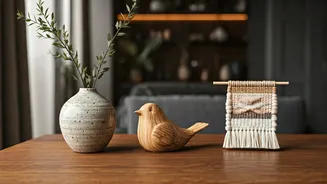
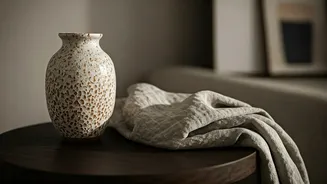
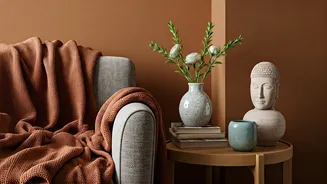
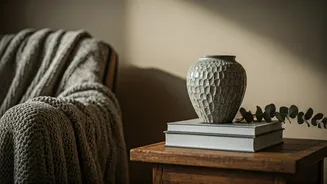
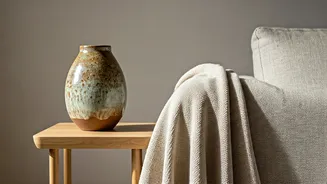
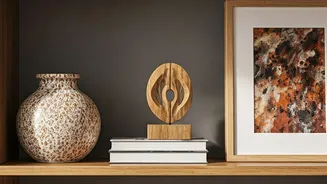
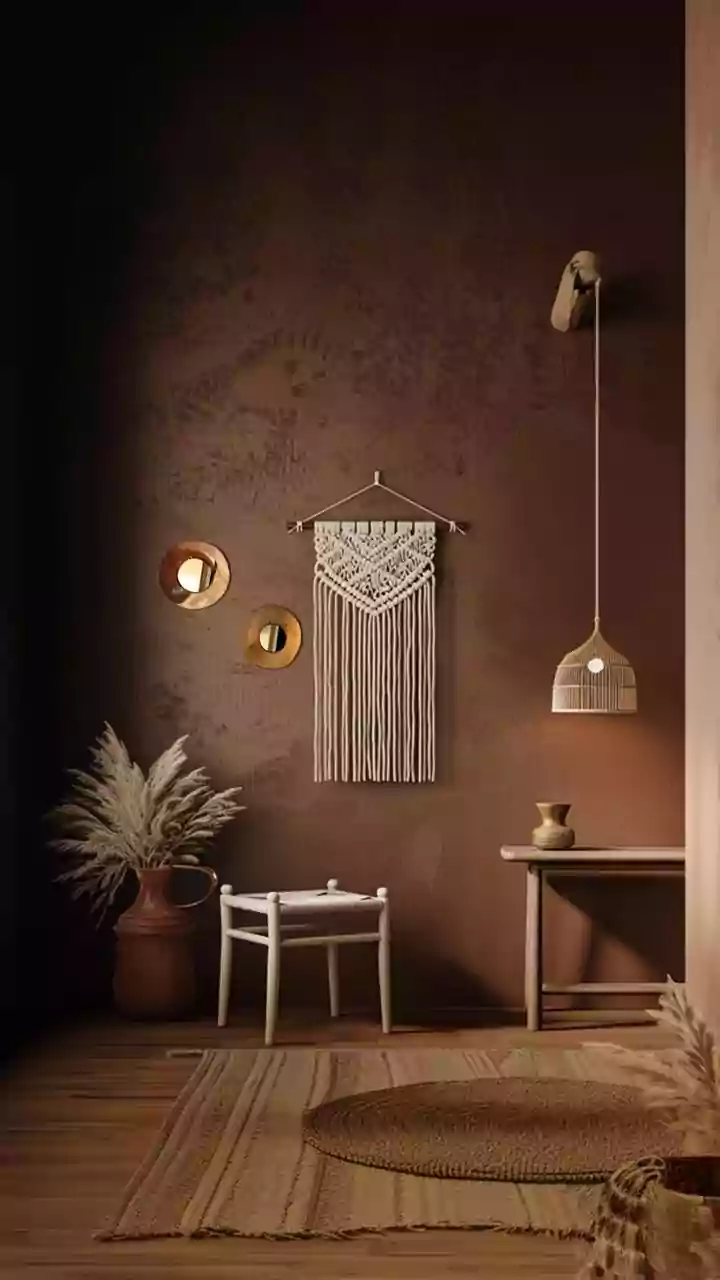
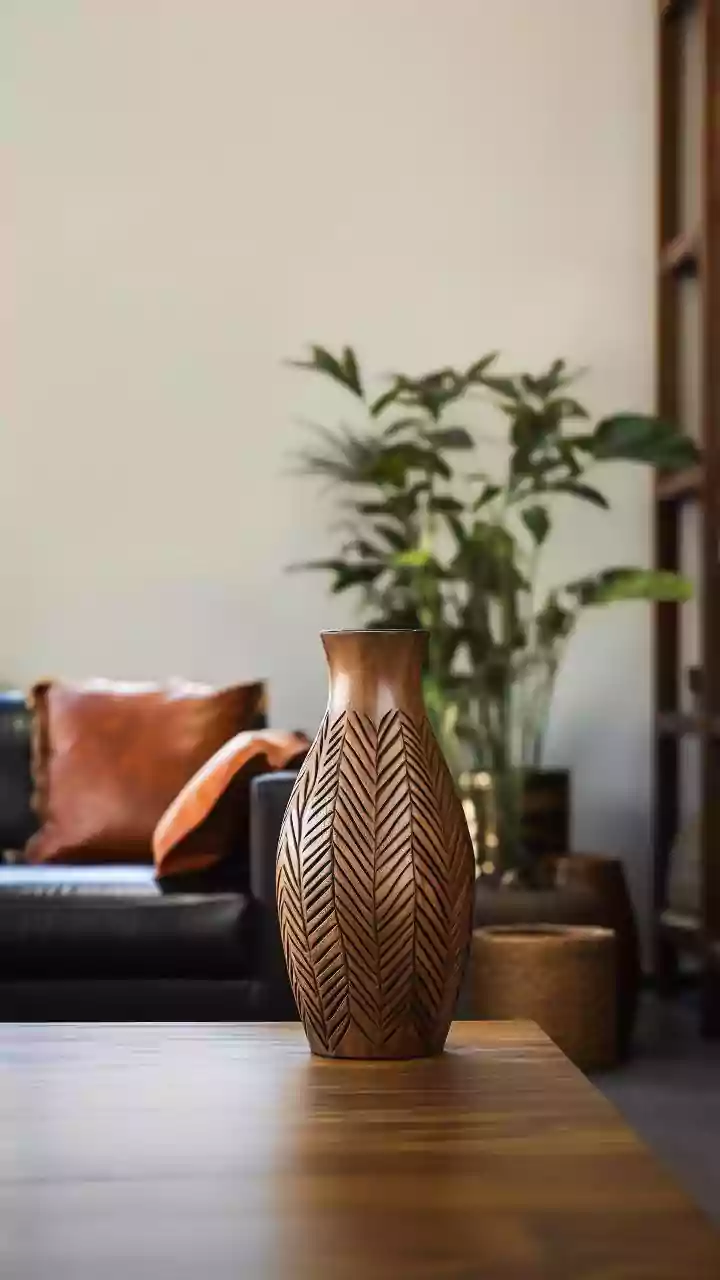
The core of the handmade trend is its appeal to our sense of touch. Where minimalism favored smooth, cool surfaces like marble and metal, the handmade aesthetic is all about texture. Think of the comforting weight of a chunky knit blanket, the satisfying grain of an unfinished wood bowl, the cool, slightly uneven surface of a hand-glazed tile, or the organic feel of a woven seagrass basket. These are not items meant to be just looked at; they are meant to be held, used, and experienced. This textural richness adds layers and visual interest to a room, making it feel curated and lived-in rather than staged. It invites you to slow down, engage your senses, and find comfort in the physical objects that surround you. The warmth of the trend is literal—these materials don’t just look cozy, they feel cozy.
The Power of a Story
A key difference between a mass-produced item and a handmade one is provenance. The former comes from a factory; the latter comes from a person. This trend celebrates the story behind the object. Whether it’s a set of glasses from a local artisan you met at a farmers market, a painting bought on vacation, or a ceramic vase discovered on Etsy, the piece carries a narrative. It’s not just a 'thing'—it’s a connection to a creator, a place, or a memory. This is the opposite of disposable decor. When you know the story of an item, you’re more likely to treasure it for years, not just for a season. This movement elevates the home from a collection of products to a gallery of personal history, turning decor into conversation starters and meaningful heirlooms in the making.
Embracing Beautiful Imperfection
The Japanese concept of 'wabi-sabi'—finding beauty in imperfection—is central to this aesthetic. A handmade ceramic mug may not have a perfectly symmetrical handle. A hand-dyed textile might show subtle variations in its color. A reclaimed wood table will proudly display its knots and scratches. In the past, these might have been seen as flaws; today, they are celebrated as marks of character and authenticity. They are proof of the human hand. This shift is a liberating departure from the pressure to achieve an unattainable standard of perfection in our homes. It allows for a more relaxed, forgiving approach to decorating, where the goal isn't to replicate a showroom but to create a space that reflects real life in all its beautiful, imperfect glory.
How to Welcome the Trend Home
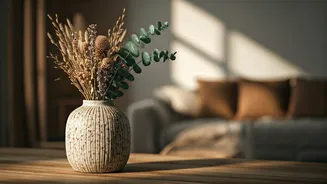
Adopting the handmade trend doesn't require a complete overhaul. It's about thoughtfully adding pieces that feel special. Start small. Swap a generic vase for one from a local potter. Add a hand-poured candle in a unique scent to your coffee table. Look for textiles—cushion covers, throw blankets, or tea towels—made by independent designers. Visit local craft fairs, antique shops, and flea markets, which are treasure troves of one-of-a-kind finds with built-in history. And don't forget the power of your own hands. The ultimate expression of the handmade trend is making something yourself, whether it's a simple piece of art for your wall, a knitted scarf, or a freshly potted plant in a hand-painted pot. The goal is to infuse your space with personality, one meaningful object at a time.