





What 'Premium' Actually Means
When we talk about “premium” food in India, it’s not just about paying more for a meal. It’s a complete redefinition of value, driven by a generation that grew up with smartphones and global media. For their parents, a good meal was about tradition and fresh,
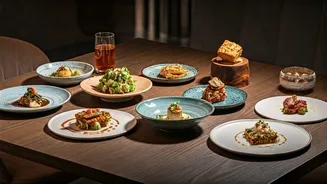
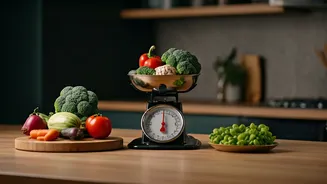
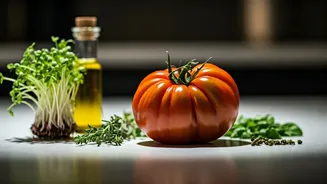
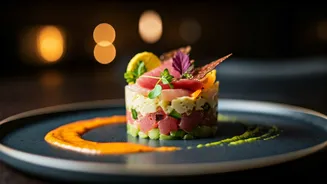
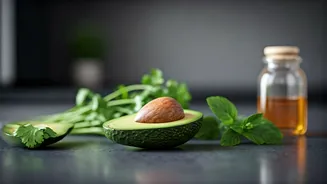
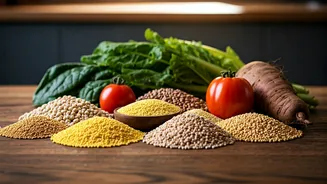
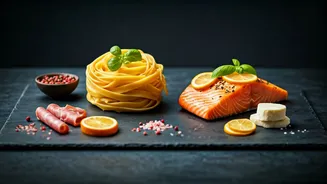
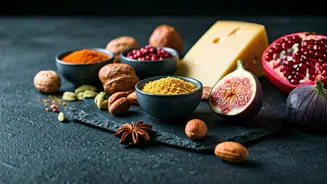
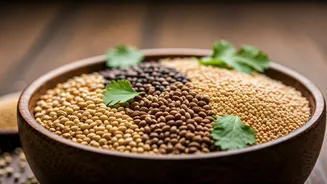
local ingredients. For a 25-year-old software engineer in Bangalore or Delhi, it's about a whole new set of criteria. Premium now means health and wellness: think organic vegetables, gluten-free grains, and plant-based proteins. It means global and gourmet: artisanal sourdough bread, single-origin coffee, imported cheeses like brie and burrata, and ready-to-cook ramen kits that go beyond the instant noodle aisle. It also signifies authenticity and story. Consumers want to know where their food comes from, leading to a boom in farm-to-table services and direct-to-consumer (D2C) brands that tout their single-estate tea or ethically sourced chocolate.
The Engine of Change: A Perfect Economic and Digital Storm
This transformation isn’t happening in a vacuum. It’s the result of several powerful forces converging at once. First, India has one of the world's largest and youngest populations, with a rapidly growing middle class that has more disposable income than any generation before it. After covering necessities, this extra cash is increasingly spent on lifestyle upgrades, and food is a primary frontier. Second is the digital revolution. With some of the cheapest data plans on the planet, hundreds of millions of young Indians are online. They aren’t just watching Netflix; they’re scrolling through Instagram, where a perfectly plated avocado toast or a vibrant smoothie bowl becomes an aspirational goal. Social media acts as both a global menu and a status board. Finally, there's the explosion of food-tech platforms like Zomato and Swiggy. Originally just restaurant delivery services, they now facilitate grocery delivery in minutes, connecting consumers with a previously inaccessible universe of specialty stores and premium brands.
From the Kirana Store to the Cloud Kitchen
This shift is upending a food supply chain that had been static for decades. Traditionally, Indians bought staples from their neighborhood `kirana`—a small, family-run corner store. While these shops are still vital, they are now competing with slick supermarkets and a legion of nimble online startups. These D2C companies have cut out the middlemen, using targeted social media ads to reach their ideal customers directly. A brand selling gourmet pasta sauce or small-batch pickles can now build a national customer base from a single warehouse, something unthinkable a decade ago. This has created a new ecosystem of entrepreneurs, cloud kitchens (delivery-only restaurants), and specialized logistics companies, all catering to the demand for better, more interesting food. It's a market that major international food corporations are watching with intense interest, seeing a preview of consumer trends that could shape emerging economies for years to come.
A New Identity on a Plate
Ultimately, this is about more than just what’s for dinner. For young, urban Indians, food choices have become a form of self-expression and identity. Choosing quinoa over rice or almond milk over dairy isn't just a dietary preference; it’s a statement about being modern, health-conscious, and globally connected. It signals belonging to a new, aspirational India that is confident in its place in the world. Of course, this trend is largely confined to the urban top and middle tiers of society. For hundreds of millions, food security and affordability remain the primary concerns. Yet, the influence of this premium-seeking class is undeniable. Their choices are reshaping agriculture, creating new industries, and slowly but surely, redefining what it means to eat well in the world’s most populous nation.