


The Resilient Spider Plant
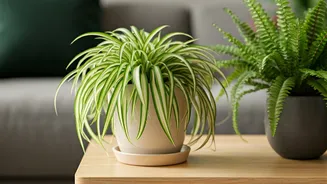
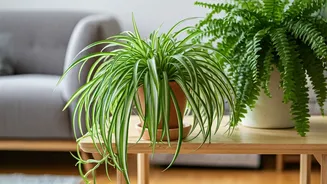
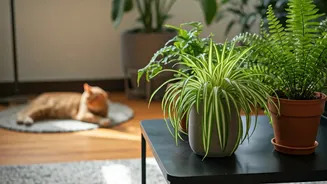
A classic for a reason, the Spider Plant (Chlorophytum comosum) is practically a rite of passage for new plant parents. Its arching, variegated leaves and cascading “spiderettes” (baby plants) bring a sense of movement and life to any room. Thriving in a wide
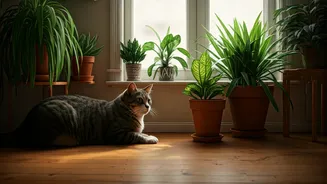
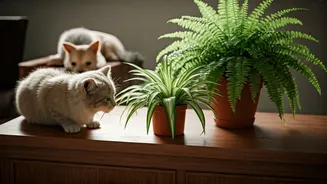
range of conditions, it’s remarkably forgiving if you occasionally forget to water it. More importantly, it’s completely non-toxic to both cats and dogs, according to the ASPCA. Its dangling plantlets might prove an irresistible toy for a playful cat, but you can rest easy knowing that a curious nibble won’t result in an emergency vet visit. It's also a fantastic air purifier, making it a healthy choice for everyone in the household.
The Lush Areca Palm
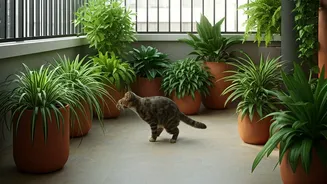
If you want to create a tropical oasis indoors, the Areca Palm (Dypsis lutescens) is your answer. With its feathery, arching fronds, it adds a touch of breezy, resort-style elegance. Often found in bright courtyards and living rooms in warmer climates, this plant has become a global favorite for its ability to make a statement. Unlike the Sago Palm, which is extremely toxic, the Areca Palm is perfectly safe for pets. It prefers bright, indirect light and consistently moist soil to look its best. Group a few together to create a lush privacy screen or use a single, large specimen as a dramatic focal point in your living room or entryway.
The Delicate Boston Fern
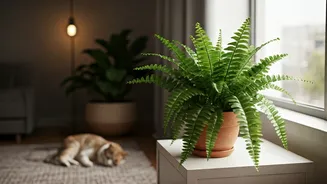
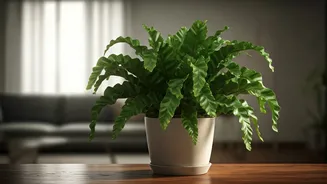
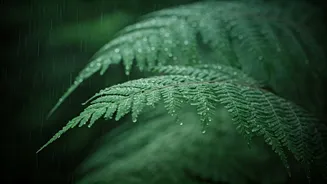
The Boston Fern (Nephrolepis exaltata) offers a soft, delicate texture that few other houseplants can match. Its ruffled, green fronds create a full, shaggy appearance that looks stunning in a hanging basket or perched on a plant stand where its foliage can cascade freely. Ferns evoke a feeling of cool, damp forests, and indeed, they love humidity, making them an excellent choice for a well-lit bathroom. While many ferns are safe, the Boston Fern is one of the most popular and readily available non-toxic options for pet owners. Just be prepared to provide it with the moisture it craves through regular watering and misting.
The Striking Prayer Plant
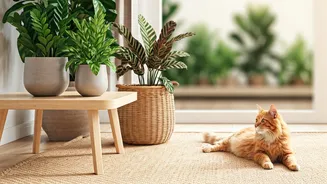
For a pop of color and pattern, look no further than the Prayer Plant family, specifically Calatheas and Marantas. These plants are famous for their beautifully decorated leaves, often featuring intricate patterns in shades of green, pink, and cream. Their common name comes from a fascinating habit called nyctinasty—the leaves fold upward at night, as if in prayer. Varieties like the Rattlesnake Plant (Calathea lancifolia) and the Red Maranta (Maranta leuconeura) are mesmerizing to watch and, thankfully, completely pet-safe. They require a bit more attention, preferring filtered water, high humidity, and indirect light, but their stunning beauty is well worth the effort.
The Friendly Chinese Money Plant
Here's one where the name matters. The popular 'Money Plant' often seen in Indian homes is typically a Pothos (Epipremnum aureum), which is unfortunately toxic to pets. However, a fantastic and safe alternative is the Chinese Money Plant (Pilea peperomioides). With its unique, pancake-shaped leaves that seem to float on delicate stems, this plant has become an Instagram superstar for its cheerful and modern aesthetic. It’s easy to care for, preferring bright, indirect light, and is said to bring good fortune. Best of all, it's non-toxic, so you can enjoy its quirky charm without worrying about your four-legged friends.
The Hardy Haworthia
Succulent lovers, rejoice. While many popular succulents like Jade and Aloe Vera are toxic to pets, the Haworthia family offers a safe and stylish alternative. Often called the Zebra Plant (Haworthia fasciata), this small succulent features stiff, dark green leaves with striking white horizontal stripes. It’s a low-maintenance gem that requires very little water and is perfect for a sunny windowsill or a crowded desk. Its compact size and architectural look make it a great choice for small spaces. It provides that trendy desert vibe without posing any risk to curious cats or dogs who might be tempted to take a bite.