


1. Master the Art of Multifunction
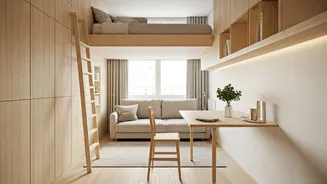
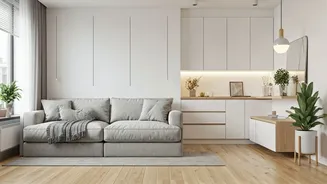
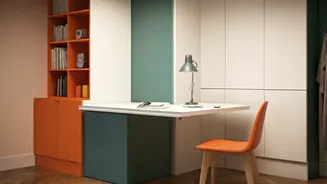
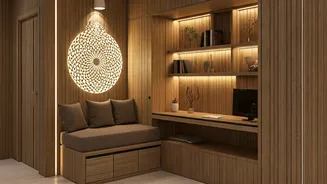
The era of the single-use item is over, especially in a small home. The new mantra is 'if it only does one thing, you don't have room for it.' This has fueled a renaissance in convertible and multifunctional furniture. Think beyond the classic sofa bed.
We're now seeing coffee tables that lift to become dining tables or work-from-home desks, ottomans with hidden storage that are sturdy enough to serve as extra seating, and sleek, modern Murphy beds that disappear into a wall of custom cabinetry during the day. Investing in a few high-quality, dual-purpose pieces eliminates clutter and frees up valuable floor space, allowing a single room to serve multiple functions without feeling cramped or chaotic.
2. Go Vertical with Your Storage
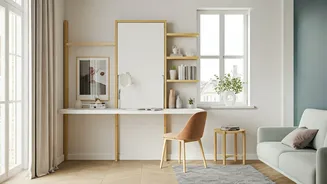
When you can't build out, build up. The most underutilized real estate in any small home is its vertical space. Clever decorators are moving beyond the floor and drawing the eye upward. This means installing floating shelves that stretch to the ceiling, creating an airy, library-like effect without the bulk of a traditional bookcase. It means using tall, narrow shelving units (like a 'ladder shelf') that offer a significant amount of storage with a minimal footprint. Even wall-mounted hooks and pegboards are getting a stylish upgrade, turning everyday items like hats, bags, and kitchen utensils into organized, accessible displays that add personality to the room.
3. Use Color to Unify, Not Shrink
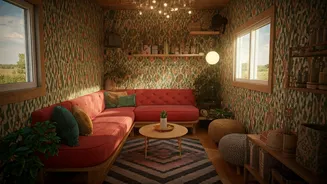
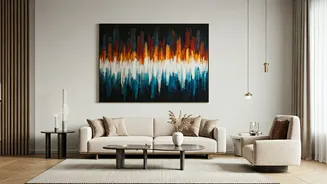
The old rule was to paint small rooms white to make them feel bigger. The new rule is to be intentional with color to create cohesion and depth. One popular technique is 'color drenching,' where the walls, trim, and even the ceiling are painted the same shade. This monochromatic approach blurs the lines of where the walls end and the ceiling begins, creating an expansive, jewel-box effect that feels immersive and sophisticated. If that feels too bold, sticking to a tight, cohesive palette of three or four colors throughout the space will also work wonders. When every object, from the sofa to the throw pillows to the art, belongs to the same color story, the space feels curated and calm, not busy and small.
4. Choose Furniture with 'Legs'
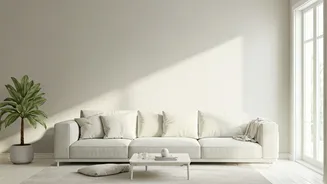
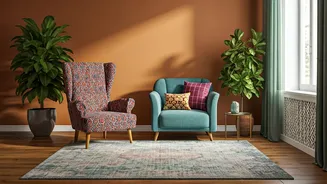
One of the most effective and subtle tricks for creating a sense of spaciousness is to choose furniture that has visible legs. Sofas, credenzas, armchairs, and side tables that are raised off the ground on slender legs are often called 'leggy' furniture. This simple design feature allows you to see the floor underneath, which creates an uninterrupted sightline across the room. This gives the illusion of more floor space and creates a feeling of lightness and airiness. A bulky sofa that sits directly on the floor can feel like a visual roadblock, while a similar-sized sofa on tall, tapered legs feels like it's floating, instantly making the room feel more open and less weighed down.
5. Layer Your Lighting Strategically
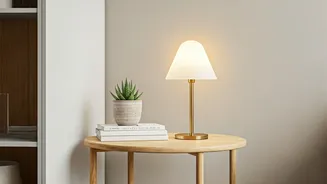
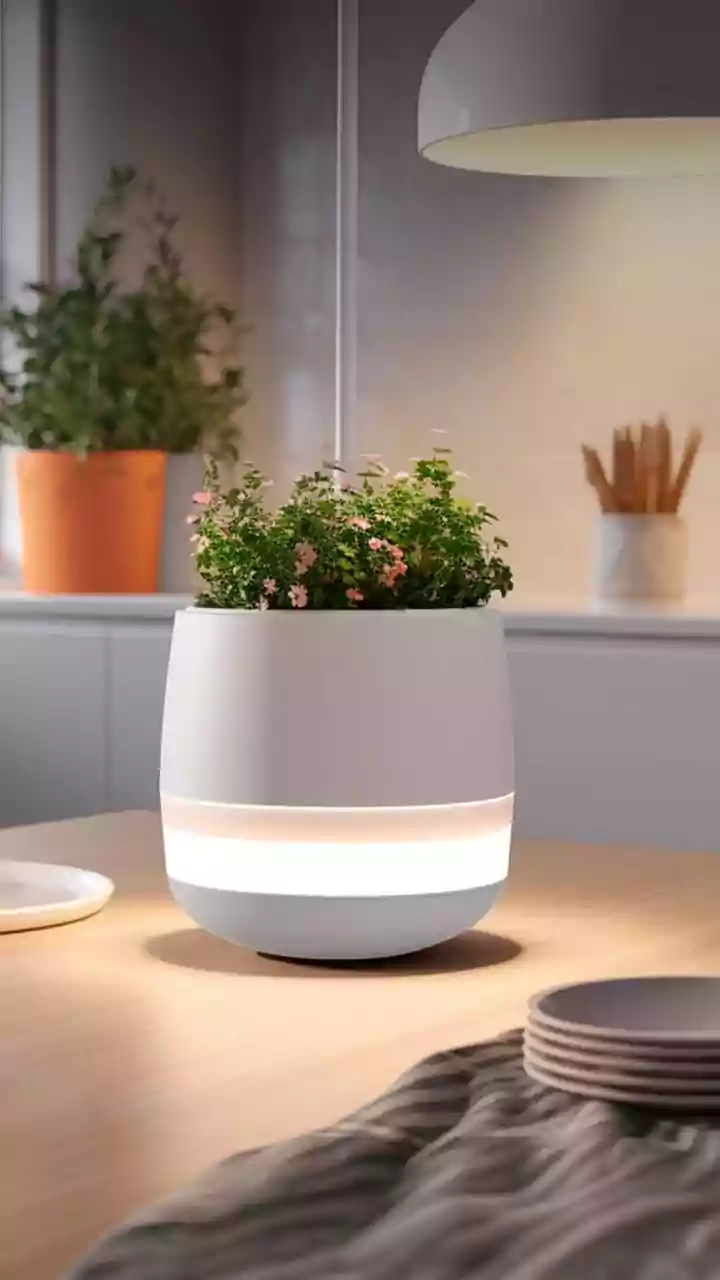
A single, harsh overhead light is the enemy of a small space. It casts shadows in the corners and makes the room feel like a box. A professional-looking glow-up relies on layered lighting. This means having at least three types of light in each room: ambient, task, and accent. Ambient light is the overall illumination, perhaps from a stylish flush-mount ceiling fixture or recessed lighting. Task lighting is focused light for activities, like a floor lamp next to a reading chair or under-cabinet lighting in the kitchen. Accent lighting is used to highlight architectural features or decor, such as a small lamp on a bookshelf or a picture light over a piece of art. Combining these sources lets you control the mood and makes the space feel more dynamic and larger.
6. Reflect Space with Mirrors and Metallics
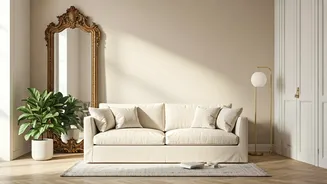
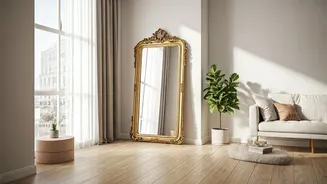
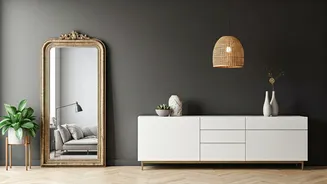
It's the oldest trick in the book for a reason: it works. But the modern application is more artful than simply hanging a mirror on a wall. Large, floor-length mirrors leaned against a wall can create the illusion of an entire extra dimension, dramatically opening up a narrow hallway or a small bedroom. Grouping several smaller mirrors together can create a gallery-wall effect that bounces light around the room in interesting ways. Don't forget other reflective surfaces, either. Accents in polished chrome, brass, or even high-gloss lacquer on a piece of furniture can catch the light and add a touch of glamour, helping to make the entire space feel brighter and more expansive.