







From Chaos to Clicks
Anyone who has undertaken a home renovation knows the classic pain points: unreliable timelines, surprise costs, and the chasm between your vision and the finished product. In India, a country experiencing an unprecedented urban housing boom, these problems
were magnified. The traditional interior design market has long been fragmented, localized, and often opaque, relying on a network of individual contractors and designers with varying levels of quality and professionalism. For a new generation of tech-savvy, time-poor young professionals buying their first apartments in cities like Bangalore, Mumbai, and Delhi, this old model was a non-starter. They expected the transparency and efficiency of an e-commerce platform, not a months-long ordeal of haggling and uncertainty. This enormous gap between expectation and reality created the perfect opportunity for a technological disruption.
Decoding the AI 'Designer'
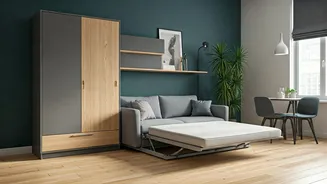
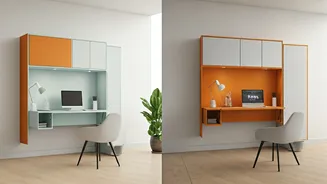
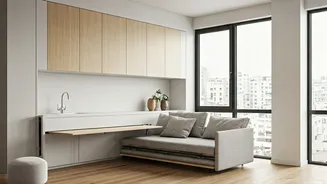
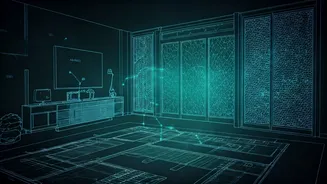
When we hear “AI-powered interiors,” it’s easy to imagine a sentient robot with a flair for color theory. The reality is more practical and, frankly, more useful. Startups like Livspace and HomeLane, now industry giants in India, use AI not to replace human creativity but to solve logistical nightmares. The process typically begins with a user inputting their floor plan and style preferences. The AI gets to work instantly, generating multiple 3D layouts and photorealistic visualizations of the space. Want to see that sofa in a different fabric or test a bolder wall color? The change is rendered in seconds. More importantly, the AI is tied to a real-time catalog of furniture, materials, and finishes. Every design choice is instantly priced, so the budget updates dynamically, eliminating the dreaded end-of-project sticker shock. It’s a design tool, a budget calculator, and a visualization engine all rolled into one.
A Perfectly Timed Revolution
This trend isn't just about clever software; it’s a story of perfect timing. Several powerful forces converged to make India fertile ground for this innovation. First, demographics. India has a massive population of young people entering their peak earning and home-buying years. Second, rapid urbanization is creating millions of new housing units that all need to be furnished. Third, widespread access to affordable smartphones and data means the target audience is already living online. Finally, a rising middle class has more disposable income but also higher expectations for service and quality. These platforms offered a solution that was not only faster and more transparent but also aspirational. It democratized good design, taking it from a luxury service reserved for the wealthy to an accessible tool for the masses.
Building a New Ecosystem
The smartest part of this model is that it doesn't stop at the design phase. Companies like Livspace aren't just selling software; they're building an entire end-to-end ecosystem. Their platforms function as a managed marketplace. Once a homeowner finalizes their design and budget, the system connects them with a network of vetted professionals—carpenters, painters, electricians—to execute the project. The AI helps optimize the supply chain, ensuring materials arrive on time and contractors are managed efficiently. For the consumer, this means a single point of accountability. For the thousands of small-scale contractors and craftspeople, it provides a steady stream of reliable work. The technology serves as the connective tissue for a previously disorganized industry, creating value for everyone involved.
Is This the Global Blueprint?
While this revolution was born of India's unique market conditions, it offers a compelling blueprint for the future of home services worldwide. The core problems these platforms solve—lack of transparency, budget overruns, and project management headaches—are universal. As AI becomes more sophisticated, the potential for hyper-personalization is immense. Imagine an AI that not only designs your kitchen based on your style but also optimizes the layout based on your family's specific cooking habits, learned from your smart appliances. While the U.S. has a more established home renovation industry with players like Houzz and a strong big-box retail presence, the Indian model's end-to-end integration is a powerful concept. It suggests a future where building or renovating a home could be as seamless and predictable as ordering a customized product online.