




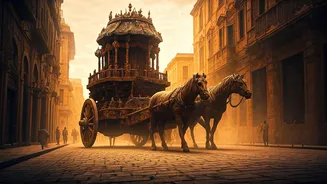


First Off, What Is Rath Yatra?
At its heart, Rath Yatra, or the "Chariot Festival," is a massive annual Hindu procession held in the city of Puri in the eastern Indian state of Odisha. It honors Lord Jagannath—a form of the deity Vishnu—along with his brother Balabhadra and sister
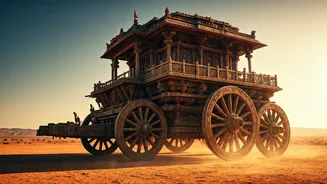
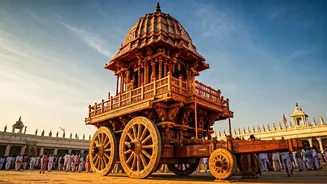
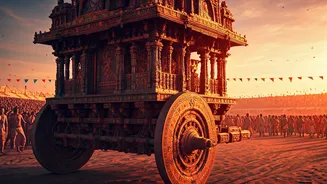
Subhadra. The festival’s central event is their symbolic journey from their home in the main Jagannath Temple to a garden temple a few kilometers away, where they stay for nine days before returning. This isn't just a parade; for devotees, it’s a deeply spiritual event. The belief is that witnessing the deities on their chariots and helping to pull the ropes is an act of immense devotion that can cleanse sins. The scale is almost impossible to comprehend. The main chariot for Lord Jagannath stands about 45 feet tall, has 16 wheels, and is constructed anew each year by artisans using traditional methods, without a single nail. The energy is a mix of sacred pilgrimage and communal celebration, drawing millions to Puri.
The Unmatched Visual Spectacle
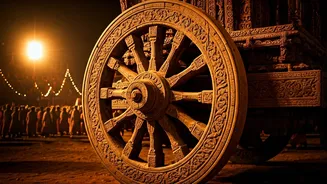
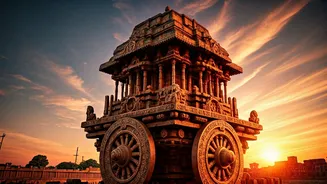
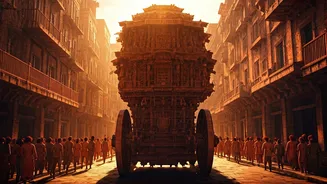
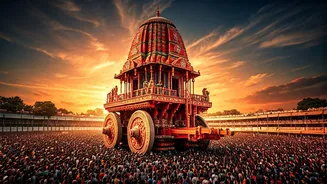
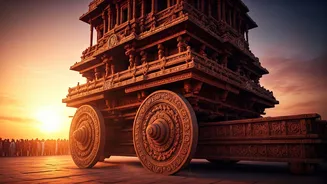
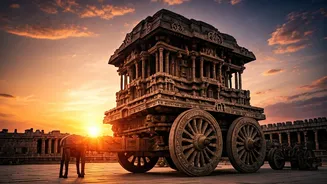
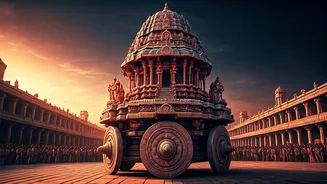
This festival was practically designed for the visual age, long before cameras existed. Imagine three gigantic, brightly colored wooden chariots, adorned with vibrant fabrics, intricate carvings, and towering canopies, moving like ships through a sea of people. The crowds themselves are a spectacle—a dense, undulating mass of humanity stretching as far as the eye can see. Add to this the rhythmic sounds of gongs, drums, and trumpets, along with devotional singing and traditional Odissi dance performances that happen right on the procession route. The air is thick with incense, the scent of floral garlands, and an electric sense of collective purpose. From a drone’s-eye view, it looks like a living, breathing work of art. Every angle offers a compelling shot: the focused expressions of the priests, the strain on the faces of those pulling the thick coir ropes, the joyful chaos of the crowd, and the majestic, slow progress of the divine siblings on their annual outing.
From Sacred Ritual to Viral Sensation
This is where the “content gold” comes in. Rath Yatra’s raw visual power translates perfectly to social media. On platforms like Instagram, X (formerly Twitter), and YouTube, the hashtag #RathYatra explodes with millions of posts. You see stunning drone footage, hyper-lapses of the chariots’ slow journey, and intimate portraits of devotees. It’s not just amateurs with phones; media houses and professional creators descend on Puri to capture the event. The festival is now live-streamed globally, allowing the Indian diaspora and other followers to participate virtually. For the millions who can't make the pilgrimage, their phone screen becomes their window to the divine. Sharing a video or photo of the chariots becomes a modern act of devotion, a way of partaking in the festival’s blessings and sharing them with one's own digital community. This transforms an ancient, localized tradition into a global, real-time cultural event.
The 'Gold' in Devotional Content
The term “gold” isn’t just about likes and shares, though the engagement metrics are astronomical. The real value is multifaceted. For believers, it’s a powerful tool for religious expression and community building on a global scale. For the state of Odisha, it’s a massive driver of tourism and cultural soft power, showcasing its unique heritage to the world. For content creators and platforms, it’s a reliable, recurring source of high-engagement, emotionally resonant material that is advertiser-friendly and universally compelling. In an online world often dominated by conflict and cynicism, the sheer, unadulterated faith and communal joy of Rath Yatra offer a different kind of content—one that feels authentic, awe-inspiring, and deeply human. It's a prime example of how an ancient tradition, far from fading in the modern world, can find a powerful new life and an even bigger audience through digital channels.