





Understanding the Monsoon's Threat
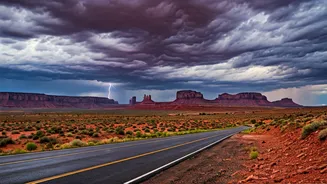
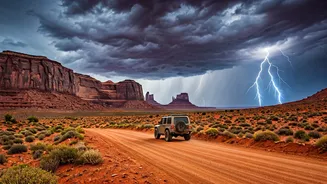
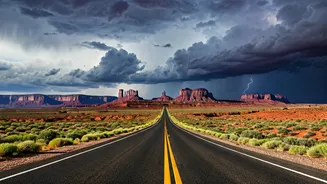
When people hear “monsoon,” they might picture Southeast Asia, but North America has its own distinct monsoon season. Primarily affecting Arizona, New Mexico, and parts of neighboring states, this weather pattern is characterized by a dramatic shift in winds
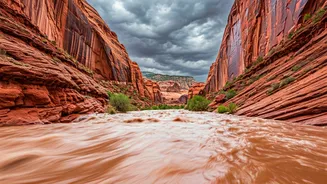
that brings moisture up from the Pacific and Gulf of Mexico. The result isn't gentle rain; it's often sudden, powerful thunderstorms that can drop an enormous amount of water in a short time. These downpours lead to the two biggest household risks: flash flooding and power outages. A flash flood can overwhelm water treatment systems and contaminate wells, while a power outage can turn your refrigerator from a modern convenience into a science experiment you don't want to fail.
Guarding Your Water Supply
The most immediate danger during a monsoon storm is water contamination. Flash floods can carry a toxic soup of debris, chemicals, animal waste, and sewage across the landscape. This runoff can easily seep into private wells, which are common in rural areas of the Southwest. If you rely on a well, you should assume it's contaminated after a major flood event and have it professionally tested before using it again. Even municipal water supplies can be compromised. Water main breaks or overwhelmed treatment plants can lead to "boil water" advisories. During the monsoon season, it’s wise to have a backup supply of bottled water—at least one gallon per person, per day. If you must use tap water during an advisory, bring it to a rolling boil for at least one full minute to kill dangerous pathogens like E. coli, Giardia, and Cryptosporidium.
Food Safety During a Power Outage
Thunderstorms and high winds make power outages a common feature of monsoon season. When the lights go out, the clock starts ticking on the food in your refrigerator and freezer. To preserve your food, keep the doors closed as much as possible. A refrigerator will keep food safely cold for about four hours if it remains unopened. A full freezer will hold its temperature for approximately 48 hours (24 hours if half-full). Keep a stock of appliance thermometers in your fridge and freezer to know for sure if your food has entered the “danger zone” (above 40°F). Any perishable food—like meat, dairy, and leftovers—that has been at temperatures above 40°F for two hours or more should be thrown out. When in doubt, throw it out. The risk of foodborne illness is never worth the savings.
The Danger of Floodwater Contamination
It’s not just your water supply that’s at risk from flooding; it's your pantry, too. Any food that comes into contact with floodwater should be discarded. This is non-negotiable for items in cardboard, plastic wrap, or with screw-on caps, as they are not waterproof and can harbor bacteria. Many people mistakenly believe canned goods are safe. While the food inside a commercially sealed can may be protected, the outside of the can can become coated with contaminants. If you must salvage canned goods, remove the labels (which can hide dirt), thoroughly wash the cans with soap and water, and sanitize them by boiling in clean water or soaking them in a solution of one tablespoon of bleach per gallon of water for 15 minutes. Any cans that are dented, bulging, or damaged should be thrown away immediately, as they may be compromised.
Build Your Monsoon Safety Kit
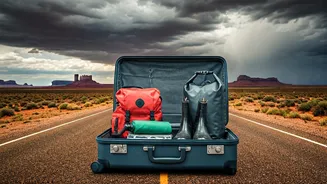
Preparation is your best defense against the health risks of monsoon season. Before the storms start rolling in, take time to assemble a simple home safety kit. Start with the essentials: enough bottled water and non-perishable food to last each person in your household for at least three days. Choose foods that don’t require cooking or refrigeration, like canned meats and fish, protein bars, and dried fruit. Don’t forget a manual can opener. Include coolers and frozen gel packs to keep refrigerated medicines or other necessities cold if the power goes out. Finally, stock up on unscented bleach for sanitizing and water purification, as well as soap and hand sanitizer to maintain hygiene when water is scarce or unsafe.