




A Fortress That Breathes
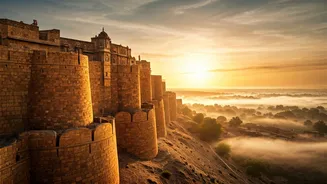
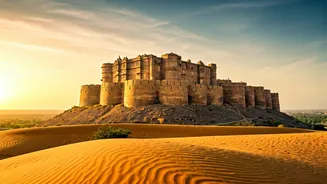
Forget velvet ropes and silent, empty corridors. The Jaisalmer Fort, a UNESCO World Heritage site, is one of the last great “living forts” on the planet. Built in 1156, its massive sandstone walls enclose a vibrant, chaotic, and utterly captivating town
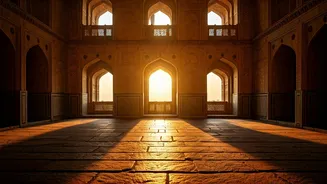
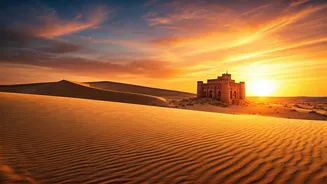
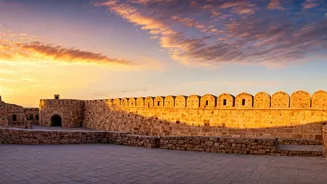
where thousands of people still live and work. Known locally as Sonar Quila, or the Golden Fort, its name is no marketing gimmick. Carved from the region's distinctive yellow sandstone, the entire structure absorbs and reflects the desert sun, appearing to be spun from pure gold. At dawn, it glows with a soft, buttery light; at sunset, it burns a deep, fiery orange, commanding the attention of everyone for miles around.
The Rooftop Culture
This constant, magnificent presence has shaped life outside its walls in a very specific way: everything looks up. Jaisalmer’s old city is a labyrinth of narrow lanes, but the real action happens on the rooftops. An entire ecosystem of guesthouses, bohemian cafes, and candlelit restaurants has evolved for the singular purpose of gazing upon the fort. Finding a place to stay or eat isn't about the amenities inside; it's about the quality of the view from the terrace. Mornings are spent with a cup of chai, watching the fort awaken. Evenings are an almost spiritual affair as travelers and locals gather, conversations hushed, waiting for the sun to dip below the horizon and paint the fortress in its final, spectacular colors of the day. This shared ritual is the city's main event, performed daily.
More Than Just a Landmark
The view is more than just an Instagram post waiting to happen; it’s a compass. From any rooftop, you can orient yourself by the fort’s towering bastions. It’s a constant reminder of the region's history, a sentinel that has watched over desert caravans and shifting sands for nearly a millennium. For visitors, this ever-present view provides a sense of grounding and wonder. You aren’t just visiting a historical site; you’re co-existing with it. You fall asleep seeing its silhouette against a sky thick with stars and wake up to its golden ramparts catching the first rays of light. This persistent, beautiful dialogue between the city and its fortress is what elevates a trip to Jaisalmer from a simple tour to a profound experience.
The View from the Inside Out
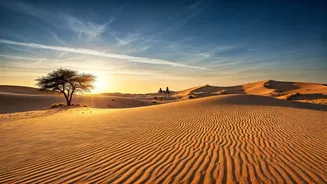
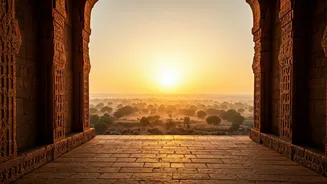
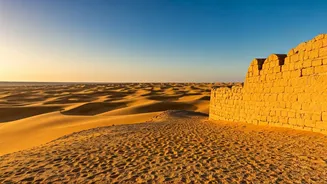
While the views *of* the fort are the main draw, the perspective from *within* its walls is just as compelling. Winding your way through the fort’s maze-like alleys, past intricately carved havelis (traditional mansions), Jain temples, and bustling market stalls, you eventually reach the outer walls. From here, the view is reversed. You look out over the sprawling city below and into the endless expanse of the Thar Desert. The city seems to melt into the sand, giving you a powerful sense of Jaisalmer’s isolation and its historical role as a remote, fortified oasis. It’s from this vantage point that you truly understand the fort’s purpose: to protect, to dominate, and to endure.